Ola Electric Gets Notice From Maharashtra Government Over Lack Of Trade Certificates
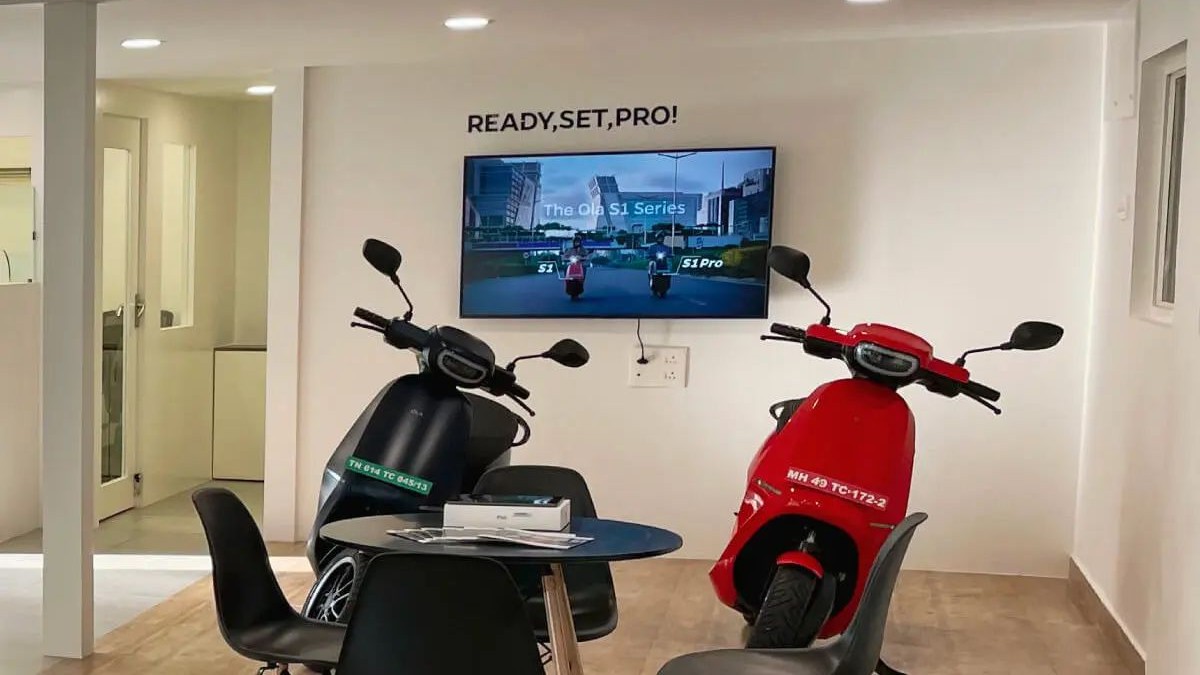
The Maharashtra government has served a notice to Ola Electric Mobility Ltd. to explain within three days why some of its stores in the state are operating without trade certificates.
“It has been found that your company is operating unauthorised showrooms and stores cum service centres and illegally selling vehicles,” the notice dated March 31, 2025 stated. “This is a very serious matter, and you are requested to provide an explanation within three days as to why action should not be taken against your company for this act.”
The notice bore the letterhead of Maharashtra's Transport Commissioner's Office. It was signed by Joint Transport Commissioner Ravi Gaikwad.
NDTV Profit has seen a copy of the letter. An email sent to Ola Electric seeking a comment on the matter was unanswered as of publishing this story.
On March 21, NDTV Profit had reported that the Maharashtra Transport Commissioner had directed all regional transport offices to start a “special inspection mission” to check all Ola Electric stores in the state for trade certificates. It was subsequently found a lot of them were operating without the necessary document.
According to Section 39 of the Central Motor Vehicles Act, 1988, and Rule 33 of the Central Motor Vehicle Rules, 1989, vehicle distributors and manufacturers are required to obtain a business certificate to register vehicles.
Rule 35 of the Central Motor Vehicle Rules, 1989, states that every specific establishment, showroom or dealership involved in the sale, trade, or exhibition of vehicles must obtain an independent business certificate from the concerned registration authority.

-
High US Salaries, No Green Card Certainty: The Financial Calculation Facing Indian H-1B Families

The suspension of PERM processing at eight technology employers does not cancel existing H-1B visas. What it does is force a question many Indian families have been avoiding: is the US salary worth tying your career and family plans to one employer?
-
Unhedged Position: Can India See An Indonesia-Style Time Correction?
The Nifty is trading below levels it first clocked in 2024. Is there, then, as I have suggested in the headline, potential that the current time correction drags on painfully for the next three-five, even ten years?
-
Navigating Friction And Energy Realities: An Analysis Of Marco Rubio's October Visit To India
Occurring at a critical juncture marked by stalled trade negotiations and escalating geopolitical pressures over global energy supplies, the visit offers a profound window into modern US-India relations.
-
India Exports Capital. Why Not Export Trusteeship?
The big question, then, is whether India can build an institution that global borrowers, investors, banks, and lawyers can trust, even without an Indian connection.
-
France's Economy & Politics Are In Crisis | The Reason Why
Let's look at how the French economy and politics evolved under Nicolas Sarkozy, Franois Hollande and Emmanuel Macron.
-
You May Inherit The Business. You Must Earn Its Credibility.
Succession tests the founder's ability to share authority as much as it tests the next generation's readiness to assume it.
-
Signing Deals Is One Thing; Making Them Work Is Another | The Week In Whys
Sometimes, things don't turn out as planned. Indian companies have lost some bids to rivals, some projects won't produce until 2030.
-
FOMC Wall, PERM Suspension, Hospital Stocks | Talking Points This Week
A PERM suspension would directly affect green-card sponsorship rather than H-1B visas, so the near-term earnings impact could remain relatively limited. The key question is whether this marks a new phase in US scrutiny of Indian IT.
-
Everything, Everywhere, All At Once: Dalal Street's Week To Forget | Joining The Dots
Visa curbs, a Starlink spat and cancer drug caps: what connects this week's shocks for Indian markets
-
India Is Going Abroad For Critical Minerals. But It May Take Years To Pay Off | The Reason Why
Although India's steps are in the right direction, they remain modest compared with India's growing dependence.









