Week Of Iran-Israel Strikes Marks A Mideast ‘Game Changer’
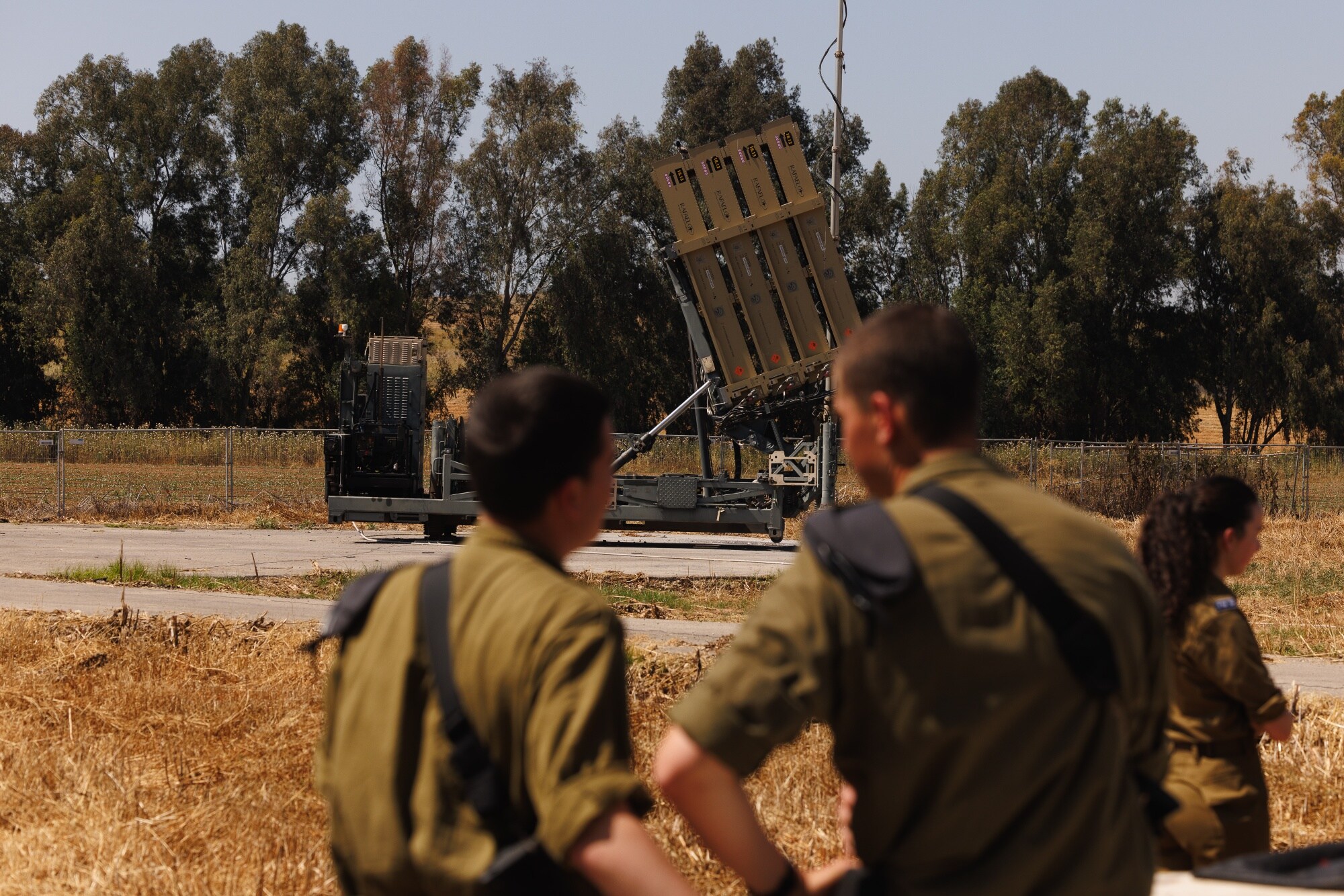
(Bloomberg) -- One of the most incendiary weeks in the decades-long shadow war between Iran and Israel ended with relief Friday after Tehran declared it had defeated what it said was a small attack on its territory by Israeli drones.
But while the strike, which Israel didn't officially claim, avoided touching off fresh escalation for now, there was no escaping that the tit-for-tat exchange ushered in a new era where the two adversaries look more willing to fight each other directly rather than through proxies. And that, government officials and experts fear, could lead to open war.
“The past week has been a game-changer,” said Suzanne Maloney, a former State Department official who's now vice president at the Brookings Institution. Iran's massive missile attack on Israel six days ago “has changed the nature of this conflict and I don't see it changing back even though the Israelis were very, very calibrated in their response,” she said. “The baseline for escalation is much higher.”
Oil prices eased Friday and markets appeared relatively unfazed after it became clear that the strike on Iran was far more limited than initially feared. Publicly, Israel's allies were rejoicing that Friday's strikes were so small, even if Prime Minister Benjamin Netanyahu had rejected their appeals not to retaliate at all after it was able to all but neutralize Iran's unprecedented missile attacks last weekend.
Yet that calm belied a deeper unease among US and foreign officials. A senior European official warned that the situation remains very tense, with no assurance that a fresh flareup can be contained if conflict flares again between Iran and Israel in the next few days.
Business concerns about the situation spiked to their highest levels this week since the Oct. 7 attacks, according to a survey by Oxford Economics.
“If there is a serious escalation – which means a much more wider regional escalation than what we've seen so far — then yes, we could have a severe oil shock,” Gita Gopinath, the International Monetary Fund's first deputy managing director, told Bloomberg Television. “But we're not there yet.”

But at the Fund's annual meetings in Washington this week, some officials worried their colleagues were in denial about the risks the conflict could yet spill more widely. They didn't want to be identified by name questioning the public line, however.
One of the big questions now is whether Netanyahu's government will feel compelled to keep striking Iran and its assets elsewhere. The latest flare-up followed an April 1 missile strike that killed Iranian military commanders at a diplomatic compound in Damascus. Tehran blamed that on Israel, which hasn't confirmed it was responsible.
Iran made clear it was ready to do something it had never dared before: to launch hundreds of missiles and drones at Israel from its own territory. Though many of the weapons failed, it still took help from the US and UK for Israel to neutralize the assault. That sent the ominous message that Israel wouldn't be able to repel an invasion alone.
The US had worked furiously to persuade Netanyahu to “take the win” and resist responding. And given the limited nature of the Thursday night attack, he may have been listening, at least for the time being. Yet Netanyahu has also shown a habit of ignoring the US in the past.
That's been most clear in the ongoing war in the Gaza Strip, which Israel launched in the wake of an Oct. 7 attack that killed some 1,200 people. Israeli forces' retaliation has killed more than 30,000 people, according to Hamas, and subjected Israel to sharp criticism from the rest of the world.
Iran's missile attack had diverted some of those concerns but an impending assault on Rafah, the next Gaza city on Israel's target list, could rekindle them. Talks on a ceasefire, meanwhile, have stalled. Even longtime mediator Qatar this week said it's reassessing that role.
The calls for restraint weren't limited to Israel's allies. Russia welcomed this week's limited back-and-forth as evidence neither side wanted escalation. But even if the choreographed attacks did relatively little damage, they sent ominous signals.

“It's a new Middle East, it's a Middle East in which Israel every day must wonder if some action might provoke an Iranian missile attack or drone attack on Israel's territory directly,” Norman Roule, a former senior US intelligence official, told Bloomberg Television.
Among the points made by diplomats to Tel Aviv to de-escalate Israel's anticipated response to Iran's strike last week was the potential for a full-blown escalation of hostilities on the border with Lebanon, where Hezbollah, a key proxy asset for Tehran, operates, according to a senior Western official.
Antonio Tajani, foreign minister of Italy, which holds the G-7 presidency this year, also publicly mentioned Lebanon several times over the course of the foreign ministers' summit in Capri as a key point in defusing antagonism. “Israel should start listening to us and heed the G-7 appeal,” he said this week.
“With Iran and Israel engaged in direct mutual attacks, the risk of a broader war has risen,” Bloomberg Economist Ziad Daoud wrote in a note. “This could happen by design – through a gradual escalation in the cycle of violence – or as a result of miscalculations. Whatever the cause, the effect on the global economy would be immense.”
--With assistance from Maria Eloisa Capurro and Alex Wickham.
More stories like this are available on bloomberg.com
©2024 Bloomberg L.P.

-
Signature Play: The Classic Cocktail Is Dead. Or Is It?

Classic cocktails are disappearing from India's cocktail menus. But they're still being ordered, taught to bartenders and borrowed from. So, who's really having the last drink?
-
A New Samvat Wishlist: Inclusive Prosperity And Human Development
India has strengthened its economic foundations through infrastructure, digital access and enterprise. Its next growth chapter must deepen productivity, create better livelihoods and widen participation in prosperity.
-
Love, Sex Aur Dhokha: The Audacious Plot To Spy On Jensen Huang
A Taipei dinner, a Singapore chip buyer and a suspected Chinese asset: inside the alleged spy operation that got close to NVIDIA's Jensen Huang.
-
Ten Things I Learnt This Samvat
Patience can be a trap. Cheap stocks can stay cheap. Leverage can wipe you out. What did Samvat 2082 teach us? Niraj Shah writes on 10 lessons from the year gone by.
-
Talking Points This Week: Tech Nerves, FII Buying, And A Faraway Banking Shock
The global markets are not shining this Diwali. The exception in the large markets is, India.
-
Midterm Rally Lasted A Day. The Hard Reality Of A Divided US May Last Two Years | Opinion
Between a contested AI boom, a debt ceiling that arrives in 2027 and a president with every incentive to act alone, the next two years may prove more volatile than the first day's rally suggests.
-
Blue Wave Will Derail the AI Trade but Won't Dismantle the AI Era | Unhedged Position
The Democrats' sweep of the US Congress will see politics collide with economic forces both over the long and short term.
-
It's Time To Take The GST Council's Bet On Trust Global
Payment records can prove India's services exports, and clear, proportionate rules can bring foreign digital sellers into the tax net.
-
Opinion | India at 38: From Innovation Overperformer to Innovation Powerhouse
India now has 453 VC-backed deep science startups, 18 of them late-stage, after 117 percent growth since 2020. Laurus Labs, at USD 9.3 billion, is the most valuable deep science company in any middle-income economy outside China.









