War Anxiety Grips Davos Experts With Ukraine Peace Still Elusive
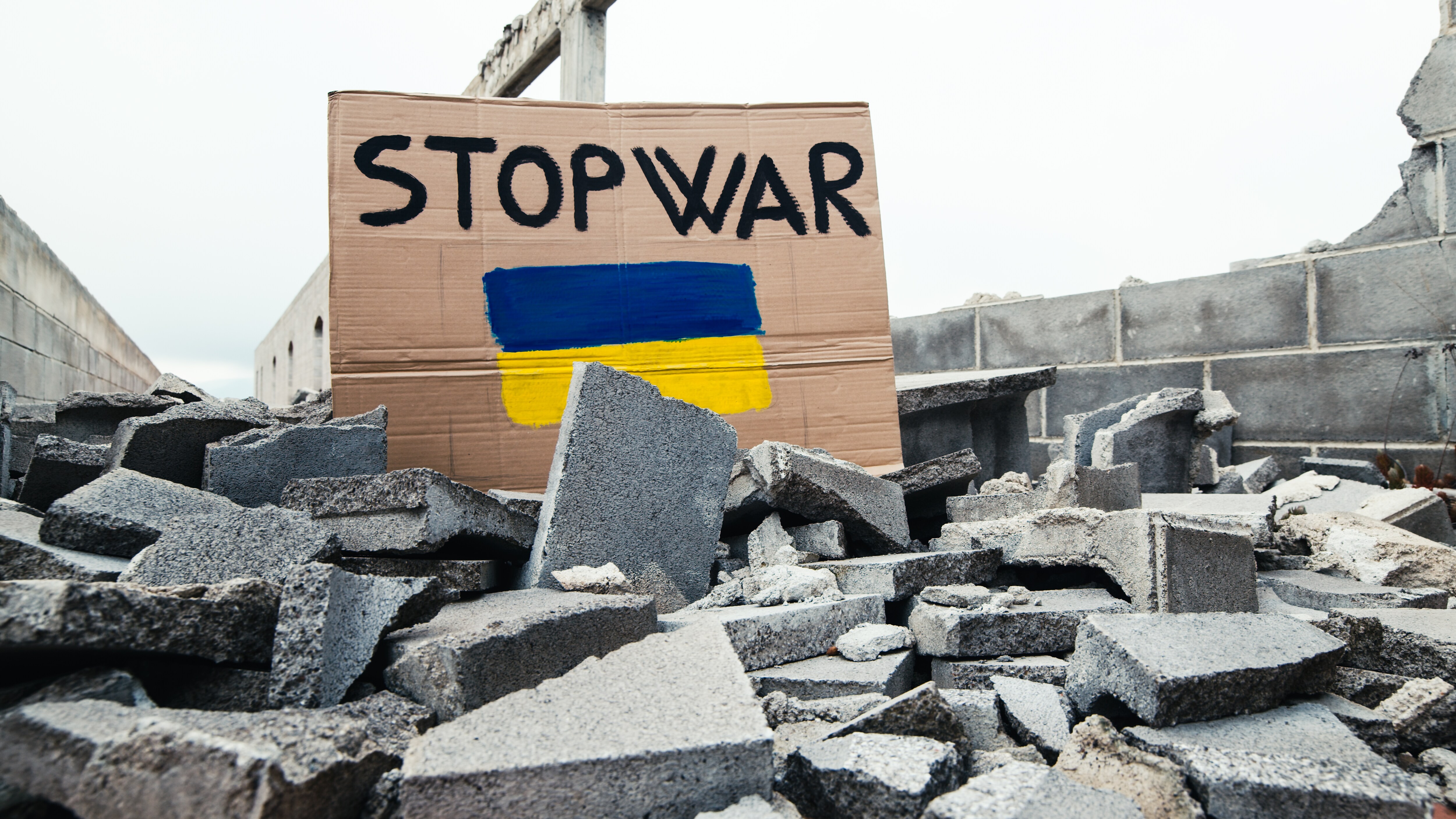
War is the top worry wracking the nerves of risk experts surveyed by the World Economic Forum, despite incoming US President Donald Trump's vow to end hostilities in Ukraine.
“State-based armed conflict” is the most pressing immediate concern for 2025 cited by about a quarter of the 900 respondents in an annual survey released just days before the organization's elite gathering in the Swiss mountain resort of Davos.

The forum's Global Risks Report, now in its 20th edition, provides mood music for an event where a multitude of world leaders will mingle with business executives among an overall tally of 3,000 participants.
The assessment suggests that any sense of security provided by the thousands of Swiss police and military personnel patroling in freezing temperatures outside can't be taken for granted elsewhere.
“Rising geopolitical tensions, a fracturing of global trust and the climate crisis are straining the global system like never before,” said Mirek Dušek, WEF's Managing Director. “In a world marked by deepening divides and cascading risks, global leaders have a choice: to foster collaboration and resilience, or face compounding instability.”
Worrying about war as an immediate risk is all the more notable given how Trump has made such a public priority of ending the conflict in Ukraine. His nominee for special envoy to the country, Keith Kellogg, told Fox News last week that he wants a solution there within the first 100 days of the administration.
In the Middle East meanwhile, Hamas and Israel are “on the brink” of reaching a deal, according to outgoing US President Joe Biden.
Trump won't have helped dispel any overall impression of an appetite for conflict however, having begun the year declining to rule out using military force to seize the Panama Canal or Greenland.

His virtual appearance to the forum scheduled for Jan. 23, three days after his inauguration, will be scrutinized for further clues on his intentions. More generally, geopolitics may be a recurring theme in Davos, with a host of key protagonists due to attend including Ukrainian President Volodymyr Zelenskiy and NATO chief Mark Rutte.
In second place among top risks cited in the survey for this year is the danger of extreme weather events — a timely inclusion considering California's struggle to quell devastating wildfires fueled by strong winds and an exceptionally dry winter.

On a longer horizon of two years, policymakers' primary worry matches that of 2024, when they cited misinformation and disinformation as a concern.
That too has current relevance after Mark Zuckerberg, founder of Meta, which owns Facebook and other social media platforms, announced that US-based fact-checking will be disbanded.
Over a 10-year horizon, extreme weather and biodiversity loss are the top risks for survey participants, highlighting the need to think beyond immediate concerns to bigger threats for the entire planet.

The severity of all those listed in the ranking, including inequality, societal polarization and cyber espionage, increase over the longer term, according to a score cited by the forum.
That reflects “respondents' concerns about the heightened frequency or intensity of these risks as the next decade unfolds,” the report said.

-
AI Bias In Investing Cannot Be Eliminated, But It Can Be Governed

Framing is a particularly important example as identical financial information presented in terms of gains rather than losses can lead an LLM to reach a different assessment.
-
Joining The Dots | Dark Skies, Steady Diya: Why Hope Holds This Diwali
With war, a weak rupee and foreign outflows weighing on sentiment, policymakers at the NDTV World Summit and market veterans at NDTV Profit Ignite: Diwali Edition offered the same advice: stay invested and filter out the noise.
-
The Curious Case of Equitas Small Finance Bank And A CEO Who Quit For Stock
PN Vasudevan believes persistent investor concerns over a perceived conflict of interest had become a governance overhang on Equitas Small Finance Bank's stock, even as the lender improved profitability and asset quality.
-
Talking Points This Week: AI Cash Burn, A Tiger Comeback And An India That Still Finds Its Own Path
India is not immune to higher oil or tighter global liquidity, yet its earnings base is broader, its domestic policy levers are still available.
-
Foreign Investors Own Half Of HDFC Bank and ICICI Bank. An LTCG Cut Could Matter Most Here
Foreign portfolio investors have US$115 billion parked in HDFC Bank, ICICI Bank. If the government cuts long-term capital gains tax, Jefferies says returning foreign money could land here first.
-
'Never Seen This Level Of Negativity': Sandeep Tandon Says The Next Rally May Be Closer Than You Think
Veteran investor Sandeep Tandon says foreign selling is easing, large-caps are due a comeback and mid-caps are crowded, while he turns positive on gold, power and pharma this Diwali.
-
Indians Stay With Family, Not In Hotels | The Reason Why
India still lacks enough clean, reliable and affordable hotels for budget-conscious travellers.
-
The Economic Imperative: Analysing The Material Driving Force Behind India-Canada Strategic Reset
This economic complementarity is further reinforced by deep institutional investment ties and talent mobility, which form the bedrock of the bilateral framework.
-
Medicine Pricing: Where Must Profit Stop?
India must confront excessive margins, hidden incentives and regulatory gaps that threaten the integrity of medicine.
-
Why Amazon And Flipkart Are Struggling To Beat Meesho In India's Smaller Cities
With 274 million users and lowest-cost logistics, Meesho is defending its value commerce crown against giants like Amazon and Flipkart.










