U.S. Tells Allies Energy Flows Are Secure Despite LNG Freeze
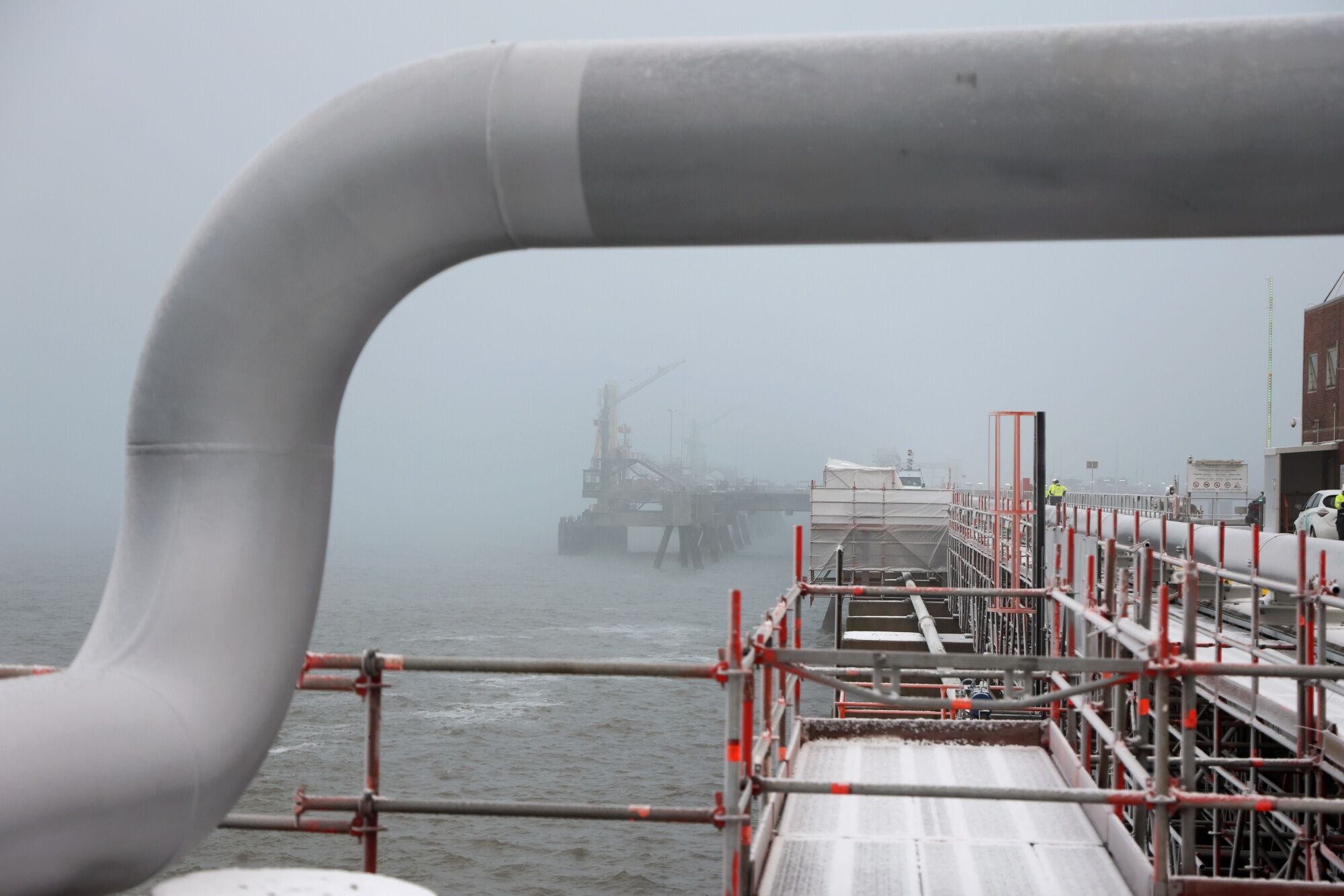
(Bloomberg) -- The US emphasized to importers of liquefied natural gas that the Biden administration's freeze on new approvals for exports is a “pause” that does not threaten the flow of vital energy supplies.
“I've found that our allies who raise these issues with me tend to be quickly reassured when you explain to them what this is — which is a pause,” US Assistant Secretary of State for Energy Resources Geoffrey Pyatt said during an online media briefing on Monday.
Approvals of new licenses for LNG export plants in the US have been halted while their potential effects on climate change, the economy and national security are reviewed, the US Energy Department said last month. But the country's LNG shipments are still on track to almost double by the end of the decade due to a lineup of already licensed facilities, Pyatt said.
The US move prompted concerns from major importers that future supplies could be disrupted. Japan's Trade Minister Ken Saito said that his nation would take the necessary steps to ensure energy security amid risks to future American production.
“There is no reason for concern among our allies, whether they be in Asia, like Japan, or in Europe,” Pyatt said. “We will see where the pause proceeds as a result of the domestic reviews.”
Toby Rice, chief executive officer of EQT Corp., the largest US natural gas producer, is poised to tell lawmakers at a House hearing Tuesday that “playing politics” needs to stop and that the moratorium must be lifted.
“We have an opportunity to provide a lifeline to the globe and to show how other countries can eventually follow in our footsteps,” Rice said in his written testimony to the Subcommittee on Energy, Climate, and Grid Security.
(Updates with written testimony of EQT CEO in last paragraph.)
More stories like this are available on bloomberg.com
©2024 Bloomberg L.P.

-
India's Troika Of Good Luck | Joining The Dots

A weaker Trump, a cooling AI trade and resilient earnings have put Indian markets back in favour. Rising inflation could spoil the party.
-
Talking Points This Week: Leadership Shock At Nvidia, Earnings Strength, And The Fog Over Hormuz
The Anthropic IPO pricing and first trading day, Nvidia's upcoming earnings, and any fresh signals from Iran will set the tone for the following week.
-
Signature Play: The Classic Cocktail Is Dead. Or Is It?
Classic cocktails are disappearing from India's cocktail menus. But they're still being ordered, taught to bartenders and borrowed from. So, who's really having the last drink?
-
A New Samvat Wishlist: Inclusive Prosperity And Human Development
India has strengthened its economic foundations through infrastructure, digital access and enterprise. Its next growth chapter must deepen productivity, create better livelihoods and widen participation in prosperity.
-
Love, Sex Aur Dhokha: The Audacious Plot To Spy On Jensen Huang
A Taipei dinner, a Singapore chip buyer and a suspected Chinese asset: inside the alleged spy operation that got close to NVIDIA's Jensen Huang.
-
Ten Things I Learnt This Samvat
Patience can be a trap. Cheap stocks can stay cheap. Leverage can wipe you out. What did Samvat 2082 teach us? Niraj Shah writes on 10 lessons from the year gone by.
-
Talking Points This Week: Tech Nerves, FII Buying, And A Faraway Banking Shock
The global markets are not shining this Diwali. The exception in the large markets is, India.
-
Midterm Rally Lasted A Day. The Hard Reality Of A Divided US May Last Two Years | Opinion
Between a contested AI boom, a debt ceiling that arrives in 2027 and a president with every incentive to act alone, the next two years may prove more volatile than the first day's rally suggests.
-
Blue Wave Will Derail the AI Trade but Won't Dismantle the AI Era | Unhedged Position
The Democrats' sweep of the US Congress will see politics collide with economic forces both over the long and short term.
-
It's Time To Take The GST Council's Bet On Trust Global
Payment records can prove India's services exports, and clear, proportionate rules can bring foreign digital sellers into the tax net.









