US Election: Trump And Harris Are Both Faltering Economically, Says Ruchir Sharma
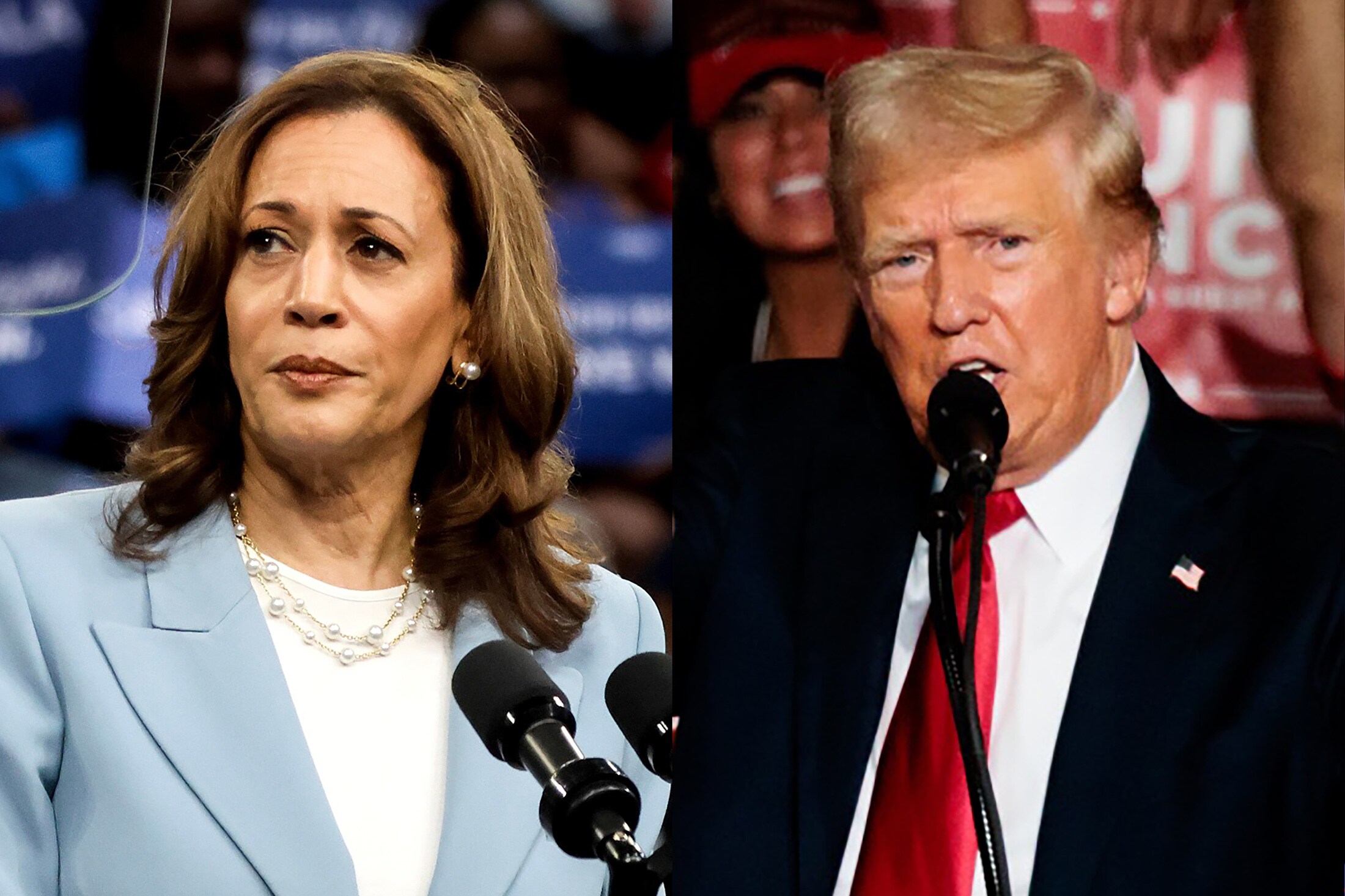
The US presidential election between Donald Trump and Kamala Harris is around the corner and out of all the promises being made during the heated campaign, there is one aspect that worries Ruchir Sharma the most.
"Loads are said in the campaign, but the bigger red flag is the promises made while they are unaware of their deficit and debt," said Ruchir Sharma, chairman of Rockefeller Capital Management International.
In conversation with market veteran Ramesh Damani, Sharma talked about the 6% deficit that the US economy is facing during the economic recovery. This degree of deficit is only justified in situations of sharp depression or war, according to the author.
An economic downturn could potentially bring it up to 10% debt on this path, he said.
Trump and Harris have taken populist stands with recent pledges like no tax on tips. The fact that they are unaware that their policies will further tighten the Fed's space to improve the deficit situation is worrying.
"Arrogance in America is that they can run the deficit they want because everyone will always buy dollars," said Sharma.
The demand for the dollar is taken for granted, and this attitude is further aided by contenders like China's inability to grow rapidly.
“What concerns (me) about America in the next few years is that they are tempting fate,” said Sharma. Deficits hovered around 3% before the pandemic and increased to nearly 6% of the GDP by June 2024.
Money Managing Strategies
The Democrat as well as the Republican candidate call for more government intervention. Sharma says that the issue with government intervention is that it is inherently an anti-market solution.
Chairs of the Federal Reserve like Paul A. Volcker and Alan Greenspan have worked with and fought greater economic battles, such as inflation and the 1987 market crash. Different strategies had been adopted by these chairs to tackle the challenges.
Volcker fought inflation by having tighter money, and he cut interest rates when he needed to, but only after inflation was vanquished, according to Sharma.
Greenspan was chairperson during one of the major turning points for capitalism, possibly for the worse.
"The Federal Reserve functions like the world's central bank. When the stock market crashed, Greenspan explicitly propped up the market by cutting interest rates and pumping more liquidity into the system," he said.
This broadly changed the investor's view of risk and impacted behaviour. Investors now believe that any downside is now protected by the Fed. At that point, investors set out to fearlessly capture the upside, with little focus on protection. The notion that "the Fed is there" to protect them was strong among investors, according to Sharma.

-
Getting To Work Costs Women More | The Reason Why

It is not just about women paying more than men. It is about women paying much more in cities than in villages.
-
AI Bias In Investing Cannot Be Eliminated, But It Can Be Governed
Framing is a particularly important example as identical financial information presented in terms of gains rather than losses can lead an LLM to reach a different assessment.
-
Joining The Dots | Dark Skies, Steady Diya: Why Hope Holds This Diwali
With war, a weak rupee and foreign outflows weighing on sentiment, policymakers at the NDTV World Summit and market veterans at NDTV Profit Ignite: Diwali Edition offered the same advice: stay invested and filter out the noise.
-
The Curious Case of Equitas Small Finance Bank And A CEO Who Quit For Stock
PN Vasudevan believes persistent investor concerns over a perceived conflict of interest had become a governance overhang on Equitas Small Finance Bank's stock, even as the lender improved profitability and asset quality.
-
Talking Points This Week: AI Cash Burn, A Tiger Comeback And An India That Still Finds Its Own Path
India is not immune to higher oil or tighter global liquidity, yet its earnings base is broader, its domestic policy levers are still available.
-
Foreign Investors Own Half Of HDFC Bank and ICICI Bank. An LTCG Cut Could Matter Most Here
Foreign portfolio investors have US$115 billion parked in HDFC Bank, ICICI Bank. If the government cuts long-term capital gains tax, Jefferies says returning foreign money could land here first.
-
'Never Seen This Level Of Negativity': Sandeep Tandon Says The Next Rally May Be Closer Than You Think
Veteran investor Sandeep Tandon says foreign selling is easing, large-caps are due a comeback and mid-caps are crowded, while he turns positive on gold, power and pharma this Diwali.
-
Indians Stay With Family, Not In Hotels | The Reason Why
India still lacks enough clean, reliable and affordable hotels for budget-conscious travellers.
-
The Economic Imperative: Analysing The Material Driving Force Behind India-Canada Strategic Reset
This economic complementarity is further reinforced by deep institutional investment ties and talent mobility, which form the bedrock of the bilateral framework.
-
Medicine Pricing: Where Must Profit Stop?
India must confront excessive margins, hidden incentives and regulatory gaps that threaten the integrity of medicine.










