US Election: Trump And Harris Are Both Faltering Economically, Says Ruchir Sharma
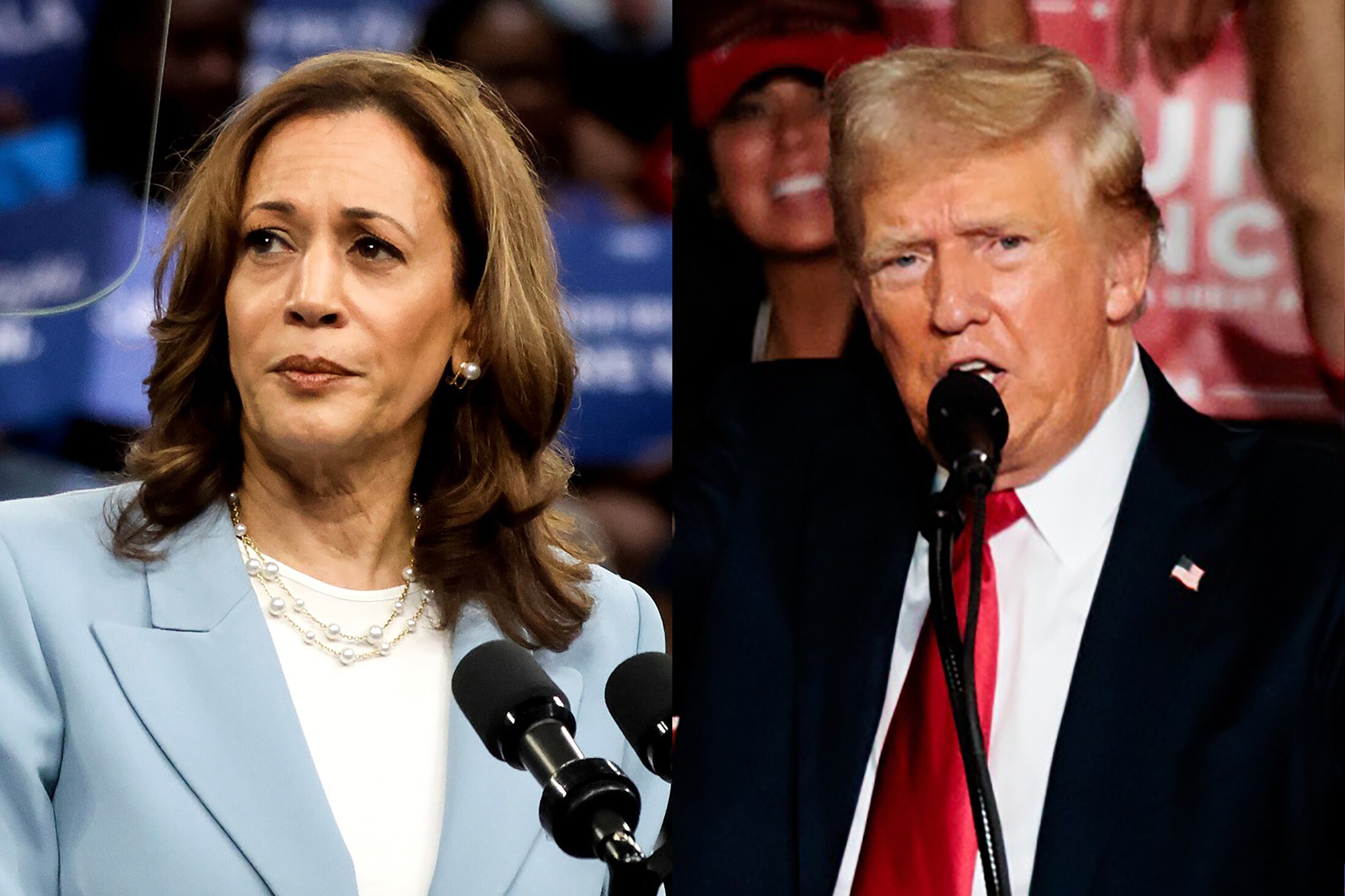
The US presidential election between Donald Trump and Kamala Harris is around the corner and out of all the promises being made during the heated campaign, there is one aspect that worries Ruchir Sharma the most.
"Loads are said in the campaign, but the bigger red flag is the promises made while they are unaware of their deficit and debt," said Ruchir Sharma, chairman of Rockefeller Capital Management International.
In conversation with market veteran Ramesh Damani, Sharma talked about the 6% deficit that the US economy is facing during the economic recovery. This degree of deficit is only justified in situations of sharp depression or war, according to the author.
An economic downturn could potentially bring it up to 10% debt on this path, he said.
Trump and Harris have taken populist stands with recent pledges like no tax on tips. The fact that they are unaware that their policies will further tighten the Fed's space to improve the deficit situation is worrying.
"Arrogance in America is that they can run the deficit they want because everyone will always buy dollars," said Sharma.
The demand for the dollar is taken for granted, and this attitude is further aided by contenders like China's inability to grow rapidly.
“What concerns (me) about America in the next few years is that they are tempting fate,” said Sharma. Deficits hovered around 3% before the pandemic and increased to nearly 6% of the GDP by June 2024.
Money Managing Strategies
The Democrat as well as the Republican candidate call for more government intervention. Sharma says that the issue with government intervention is that it is inherently an anti-market solution.
Chairs of the Federal Reserve like Paul A. Volcker and Alan Greenspan have worked with and fought greater economic battles, such as inflation and the 1987 market crash. Different strategies had been adopted by these chairs to tackle the challenges.
Volcker fought inflation by having tighter money, and he cut interest rates when he needed to, but only after inflation was vanquished, according to Sharma.
Greenspan was chairperson during one of the major turning points for capitalism, possibly for the worse.
"The Federal Reserve functions like the world's central bank. When the stock market crashed, Greenspan explicitly propped up the market by cutting interest rates and pumping more liquidity into the system," he said.
This broadly changed the investor's view of risk and impacted behaviour. Investors now believe that any downside is now protected by the Fed. At that point, investors set out to fearlessly capture the upside, with little focus on protection. The notion that "the Fed is there" to protect them was strong among investors, according to Sharma.

-
Gold Is Rs 22,000 Cheaper Than A Month Ago. Should You Buy Amid The Wedding Season?

Gold's potential slide to $3,500 could save around Rs 4,700 per 10 grams, but a soft inflation print could just as easily push prices back up. One way to split the risk is to buy in parts, some now and the rest after the Fed's Dec. 9 decision.
-
AI Agents Are Gaining Power. Who Governs Them?
Artificial intelligence agents promise to transform productivity by moving machines from assisting decisions to executing them. But as organisations delegate greater authority to these AI-agents, they must first establish who controls that authority and who remains accountable when things go wrong.
-
Why Swapping Your Old Gold Can Trigger A Rs 5 Lakh Tax Bill, And How You Can Avoid It Legally
Swapping old gold for new is taxed as a sale and a fresh purchase. Getting your own gold remade can cut most of that bill, though it has its own costs.
-
The AI Trade is Done. The Real Opportunity for Investors Starts in 2027 | Unhedged Position
As pureplay AI stocks plunge and circular, capex-led financing unwinds, 2027 is set to be a year of reckoning for AI companies. Yet the bust clears the way for a better opportunity for investors in 2027 -- shifting the spotlight from AI builders to the companies using AI.
-
Leadership As Mission: Why The Age Of AI Demands More Human Leadership
Debjani Ghosh examines how AI is changing leadership, arguing that its success must be measured by its impact on people and the accountability of those guiding its use.
-
We May Need Another Tukaram Mundhe To Fight Air Pollution | The Reason Why
Developers may install basic measures such as sprinklers and green nets, resume work, and continue violating rules when this equipment stops working.
-
Extracting Value From Battery Scrap Could Be Challenging For India | The Reason Why
A discarded lithium-ion battery still contains valuable materials such as lithium, nickel and cobalt. These can be recovered and reused. When such batteries are crushed and shredded, they produce a dark powder called black mass.
-
One El Nino, India Can Handle. Two Could Break The Granary
India's grain stocks can absorb one bad year, but a second El Nino could drain the buffer in two to three years, economists say.
-
India's Troika Of Good Luck | Joining The Dots
As Jensen Huang's exit drags Nvidia down, a cooling AI trade and resilient earnings have revived investor interest in India. A likely RBI rate hike looms.
-
Talking Points This Week: Leadership Shock At Nvidia, Earnings Strength, And The Fog Over Hormuz
The Anthropic IPO pricing and first trading day, Nvidia's upcoming earnings, and any fresh signals from Iran will set the tone for the following week.









