'Zero Tariff On US Goods': Donald Trump Announces Landmark Trade Deal With Vietnam
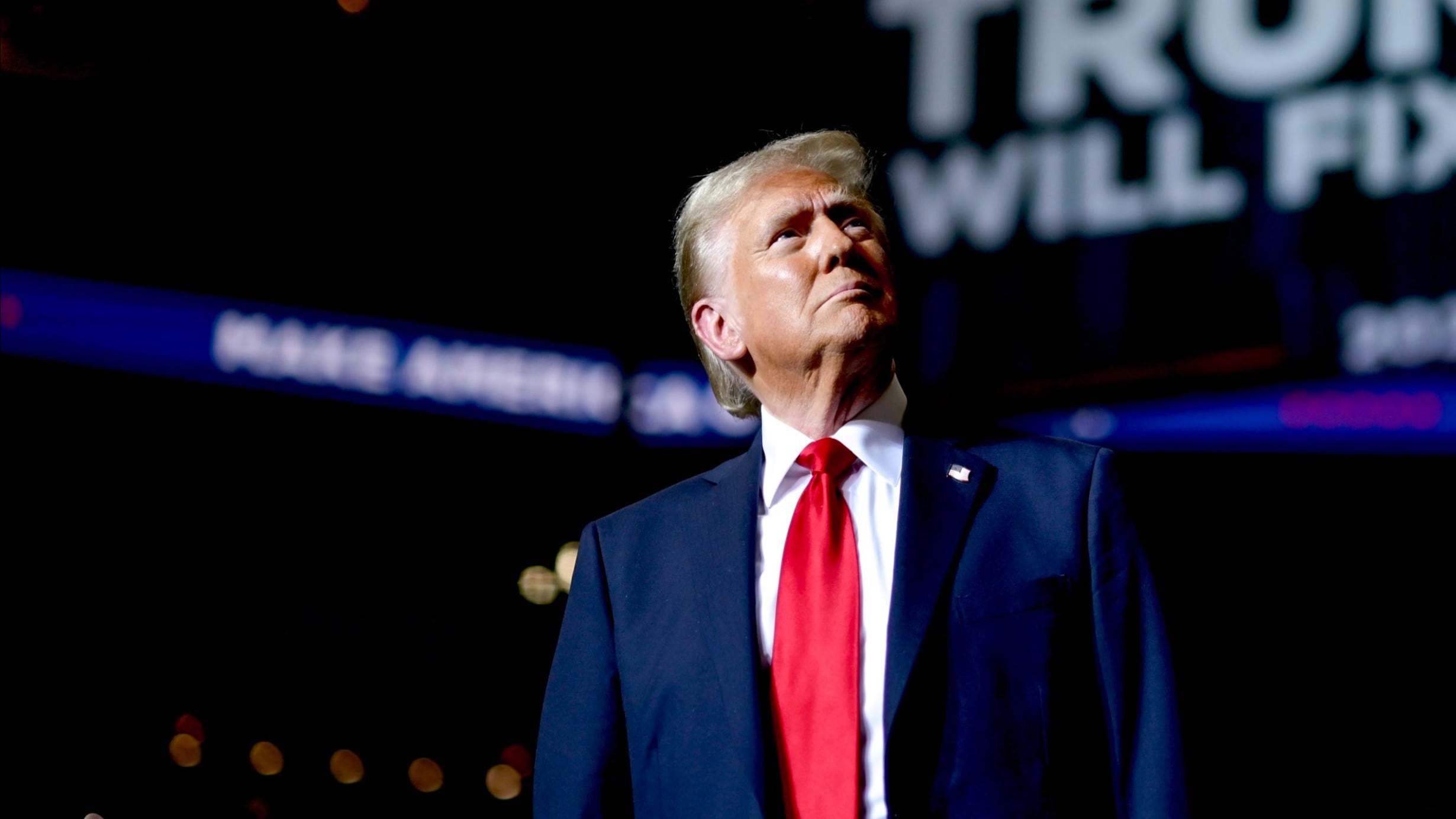
US President Donald Trump has announced a landmark trade deal with Vietnam, which would allow the import of American goods in the Southeast Asian economy at zero tariffs.
In return, the US will be imposing 20% tariff on Vietnamese goods entering into its market, and 40% tariff on transshipments, Trump said in a post on Truth Social.
"It is my Great Honor to announce that I have just made a Trade Deal with the Socialist Republic of Vietnam after speaking with To Lam, the Highly Respected General Secretary of the Communist Party of Vietnam. It will be a Great Deal of Cooperation between our two Countries (sic)," he said.
The terms are that "Vietnam will pay the United States a 20% tariff on any and all goods sent into our territory, and a 40% tariff on any transshipping", he added.
In return, Vietnam will give the United States of America "total access" to their markets for trade.
"...we will be able to sell our product into Vietnam at zero Tariff. It is my opinion that the SUV or, as it is sometimes referred to, Large Engine Vehicle, which does so well in the United States, will be a wonderful addition to the various product lines within Vietnam," he added.
Vietnam was among the countries hit with the highest import duties by the US in early April, when Trump rolled out his so-called reciprocal levies. The country was initially slapped with a 46% duty, which was later lowered to 10% as the two sides entered into negotiations to hammer out a bilateral trade deal.
The deal makes Vietnam the third country to have announced a trade pact with the US, following agreements with the UK and China announced by the Trump administration. A number of US' trading partners are racing to cut agreements with the country ahead of a July 9 deadline.
Footwear and apparel stocks jumped after Trump announced the Vietnam trade deal, as the Southeast Asian nation serves as a crucial production hub for brands like Nike Inc., Gap Inc. and Lululemon Athletica Inc. Shares were soared over 4%, while Lululemon jumped nearly 3%.

-
A New Samvat Wishlist: Inclusive Prosperity And Human Development

India has strengthened its economic foundations through infrastructure, digital access and enterprise. Its next growth chapter must deepen productivity, create better livelihoods and widen participation in prosperity.
-
Love, Sex Aur Dhokha: The Audacious Plot To Spy On Jensen Huang
A Taipei dinner, a Singapore chip buyer and a suspected Chinese asset: inside the alleged spy operation that got close to NVIDIA's Jensen Huang.
-
Ten Things I Learnt This Samvat
Patience can be a trap. Cheap stocks can stay cheap. Leverage can wipe you out. What did Samvat 2082 teach us? Niraj Shah writes on 10 lessons from the year gone by.
-
Talking Points This Week: Tech Nerves, FII Buying, And A Faraway Banking Shock
The global markets are not shining this Diwali. The exception in the large markets is, India.
-
Midterm Rally Lasted A Day. The Hard Reality Of A Divided US May Last Two Years | Opinion
Between a contested AI boom, a debt ceiling that arrives in 2027 and a president with every incentive to act alone, the next two years may prove more volatile than the first day's rally suggests.
-
Blue Wave Will Derail the AI Trade but Won't Dismantle the AI Era | Unhedged Position
The Democrats' sweep of the US Congress will see politics collide with economic forces both over the long and short term.
-
It's Time To Take The GST Council's Bet On Trust Global
Payment records can prove India's services exports, and clear, proportionate rules can bring foreign digital sellers into the tax net.
-
Opinion | India at 38: From Innovation Overperformer to Innovation Powerhouse
India now has 453 VC-backed deep science startups, 18 of them late-stage, after 117 percent growth since 2020. Laurus Labs, at USD 9.3 billion, is the most valuable deep science company in any middle-income economy outside China.
-
Navigating Energy Crossroads: S Jaishankar's Call For Diversified Supply Chains At G20 Ministerial Meeting
As geopolitical fault lines continue to test maritime trade routes and commodity flows, Jaishankar's message remains pertinent: true economic resilience requires open markets, protected transit lines, and a genuine commitment to multilateral cooperation rather than coercion.









