TSMC Poised To Announce $100 Billion Investment In US Plants
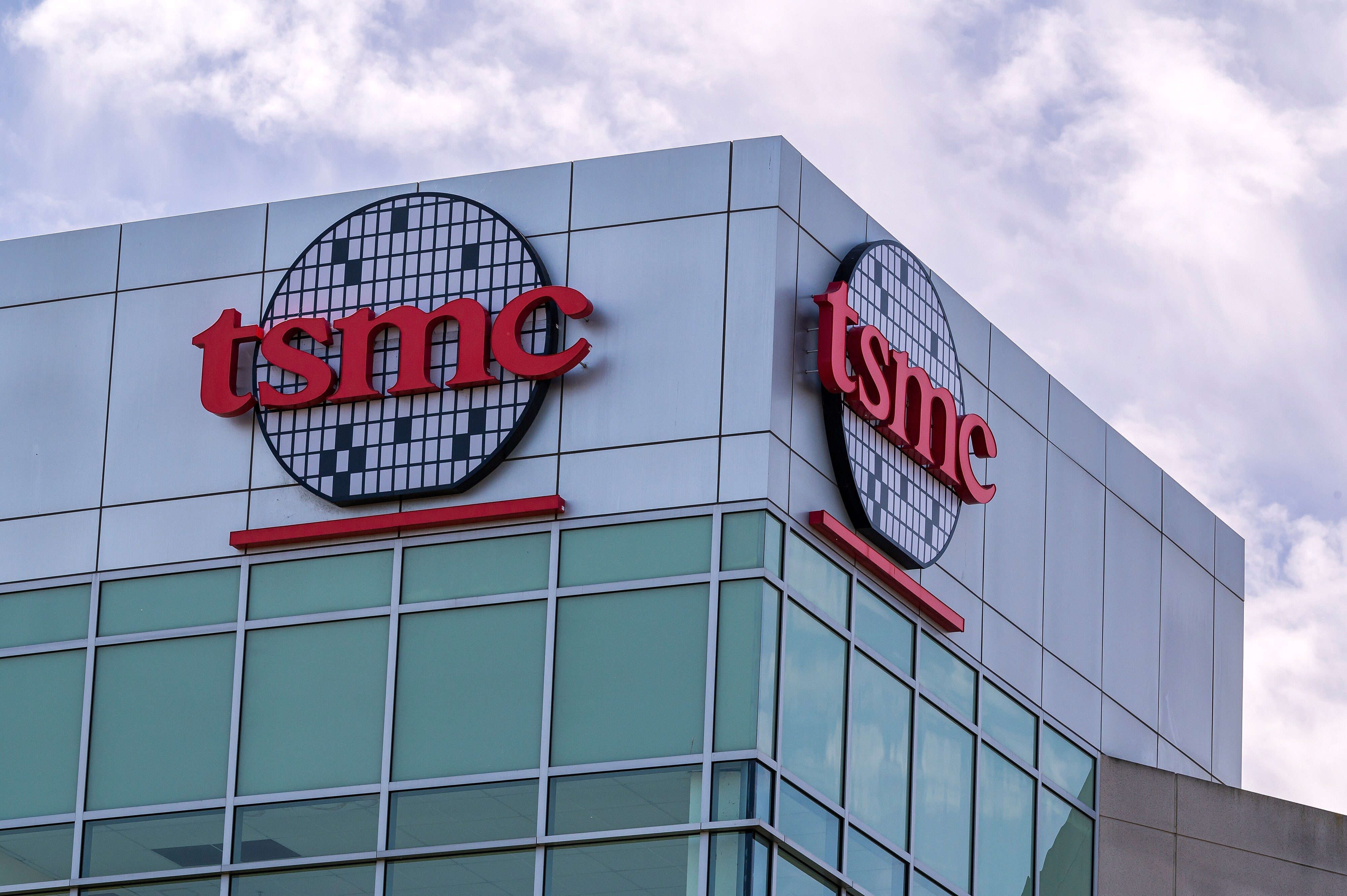
Taiwan Semiconductor Manufacturing Co. plans to invest $100 billion in chips plants in the US over the next four years, a move President Donald Trump is set to announce at the White House later Monday, according to a person familiar with the matter.
TSMC is the world's leader in production of advanced semiconductors used for artificial intelligence, and is the main chip manufacturing partner for Nvidia Corp. and Apple Inc. The investment would help bolster Trump's pledge to make the US dominant in AI.
The company's chief executive officer, C.C. Wei, plans to be at the White House later Monday, TSMC said in a statement. “We're pleased to have an opportunity to meet with the President and look forward to discussing our shared vision for innovation and growth in the semiconductor industry,” the company said, without elaborating further on its investment plans.
The White House had no immediate comment. The person who described the plans did so on condition of anonymity ahead of the announcement.
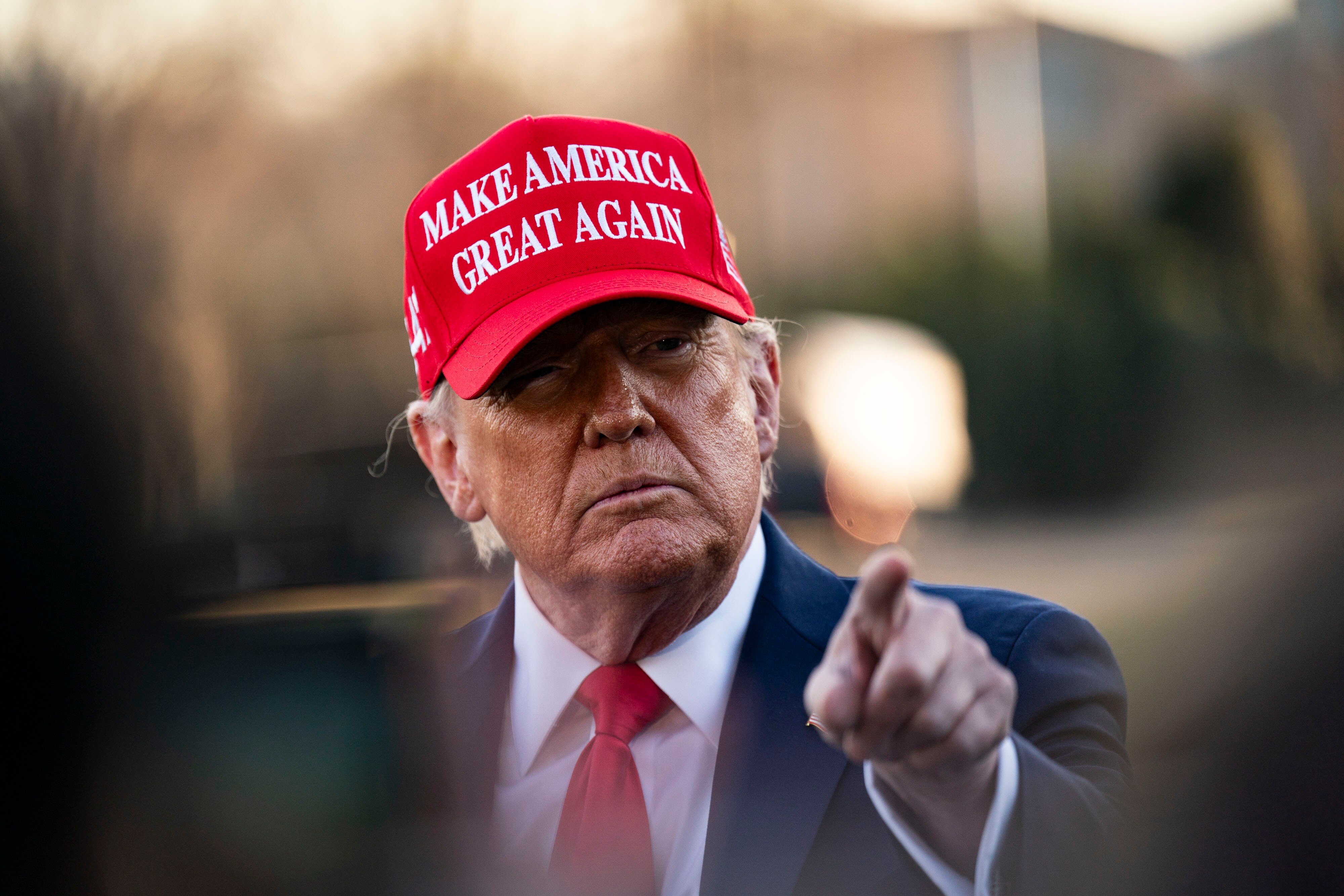
TSMC already has committed $65 billion in US investments for manufacturing facilities in Arizona. It's unclear whether the $100 billion would include that spending or be in addition to it. The Wall Street Journal reported earlier on the investment announcement.
TSMC's new investments will still need approval from Taiwan's government. Taiwanese officials have said they will prudently review outbound investments in advanced chip tech. A presidential spokesman did not answer calls outside of regular office hours.
Monday's announcement comes as Trump weighs tariffs against a wide range of industries — including semiconductors, lumber, autos and pharmaceuticals — to address what he sees as global trade imbalances that hurt the US. Levies on chips would hit hard in Taiwan, where nearly 90% of the world's most advanced wafers, especially those used in artificial intelligence, are made.
Tariff Threats
Trump has repeatedly accused Taiwan of “stealing” the US semiconductor industry and threatened tariffs on foreign-produced chips, as top US officials have consistently affirmed their commitment to boosting domestic manufacturing. That's particularly true for technologies at the heart of the US-China competition.
The president has expressed a preference for using tariffs to boost US chipmaking instead of government subsidies, the approach favored under former President Joe Biden, who pushed for passage of the Chips and Science Act to revive the domestic industry. That legislation, signed in 2022, led to TSMC winning $6.6 billion in grants to support three plants in Phoenix.
Trump administration officials have also approached TSMC about possibly taking a controlling stake in Intel Corp.'s factories, Bloomberg News reported previously. Those talks remain in the early stages but the move is aimed at addressing concerns about Intel's deteriorating financial state, which has forced it to slash jobs and curb global expansion plans.
During Trump's first term, his administration lured TSMC to the US partly out of national security concerns. When TSMC first announced its investments in an advanced plant in the US in 2020, Trump officials at the time said chips made by the Taiwanese chipmaker in Arizona would power everything from artificial intelligence to F-35 fighter jets.
The company's first facility in Arizona is up and running, and its early production yields have surpassed those at similar factories back home.

-
Foreign Investors Own Half Of HDFC Bank and ICICI Bank. An LTCG Cut Could Matter Most Here

Foreign portfolio investors have US$115 billion parked in HDFC Bank, ICICI Bank. If the government cuts long-term capital gains tax, Jefferies says returning foreign money could land here first.
-
'Never Seen This Level Of Negativity': Sandeep Tandon Says The Next Rally May Be Closer Than You Think
Veteran investor Sandeep Tandon says foreign selling is easing, large-caps are due a comeback and mid-caps are crowded, while he turns positive on gold, power and pharma this Diwali.
-
Indians Stay With Family, Not In Hotels | The Reason Why
India still lacks enough clean, reliable and affordable hotels for budget-conscious travellers.
-
The Economic Imperative: Analysing The Material Driving Force Behind India-Canada Strategic Reset
This economic complementarity is further reinforced by deep institutional investment ties and talent mobility, which form the bedrock of the bilateral framework.
-
Medicine Pricing: Where Must Profit Stop?
India must confront excessive margins, hidden incentives and regulatory gaps that threaten the integrity of medicine.
-
Why Amazon And Flipkart Are Struggling To Beat Meesho In India's Smaller Cities
With 274 million users and lowest-cost logistics, Meesho is defending its value commerce crown against giants like Amazon and Flipkart.
-
High US Salaries, No Green Card Certainty: The Financial Calculation Facing Indian H-1B Families
The suspension of PERM processing at eight technology employers does not cancel existing H-1B visas. What it does is force a question many Indian families have been avoiding: is the US salary worth tying your career and family plans to one employer?
-
Swiggy vs Eternal: Food Delivery's Two Rivals Are No Longer In The Same Race
Eternal is building a private AI assistant, dark.ai. Swiggy is still working out how to make Instamart pay, with an operating loss of Rs 895 crore in the July-September quarter while Blinkit stayed profitable.
-
Where You Live Shapes How You Get To Work | The Reason Why
Two-wheelers are the most popular way to get to work in India, accounting for nearly 43% of workplace commutes.
-
Unhedged Position: Can India See An Indonesia-Style Time Correction?
The Nifty is trading below levels it first clocked in 2024. Is there, then, as I have suggested in the headline, potential that the current time correction drags on painfully for the next three-five, even ten years?










