Trump Threatens Russia Oil Penalties, Citing Anger With Putin
President Donald Trump threatened “secondary tariffs” on buyers of Russian oil if Vladimir Putin refuses a ceasefire with Ukraine, adding later that he didn't think the Russian president would “go back on his word.”
In comments reported by NBC News, Trump said he was “pissed off” and “very angry” at Putin for casting doubt on Ukrainian President Volodymyr Zelenskiy's legitimacy as a negotiating partner, and threatened curbs on “all oil coming out of Russia.”
The US president appeared to then temper his remarks on possible sanctions or other measures when speaking to reporters aboard Air Force One, suggesting some room for negotiation and prompting oil prices to pare early gains in Asia.
“I certainly wouldn't want to put secondary tariffs on Russia,” Trump told reporters, saying he was “disappointed” with some of Putin's recent comments on Zelenskiy. “He's supposed to be making a deal with him, whether you like him or don't like him. So I wasn't happy with that. But I think he's going to be good.”
At the same time, Trump maintained pressure on Zelenskiy to agree to a deal to give the US access to Ukraine's resources.
“He's trying to back out of the rare earth deal and if he does that he's got some problems — big, big problems,” Trump said. “If he's looking to renegotiate the deal, he's got big problems.”
Russia is one of the world's three largest oil producers, meaning any attempt to punish purchases of Russian supplies could have a far-reaching effect on the oil market, and any disruptions could add to inflationary pressures. Sunday's threats mark a significant change of tone for Washington, and reflect a growing frustration in the Trump administration.
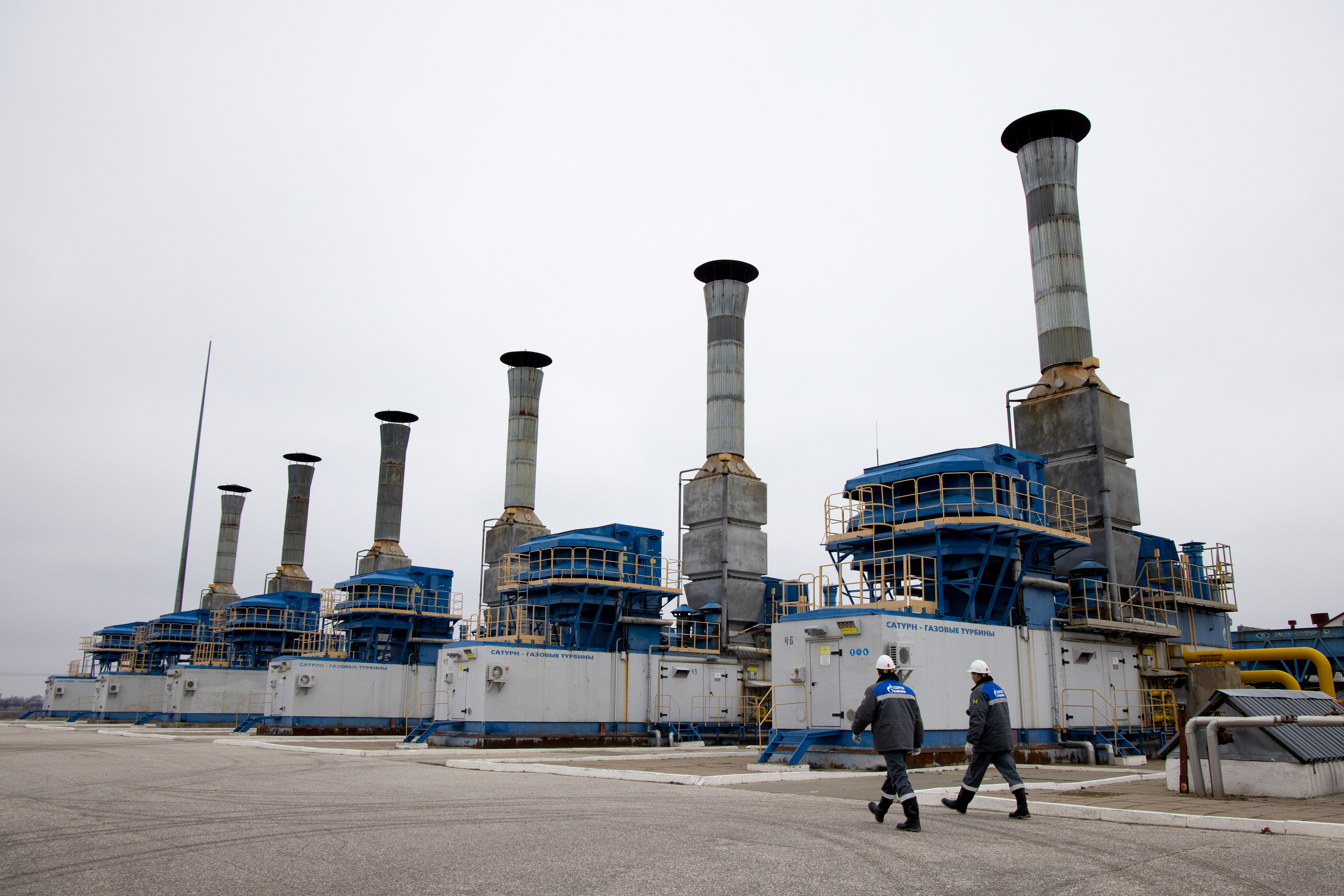
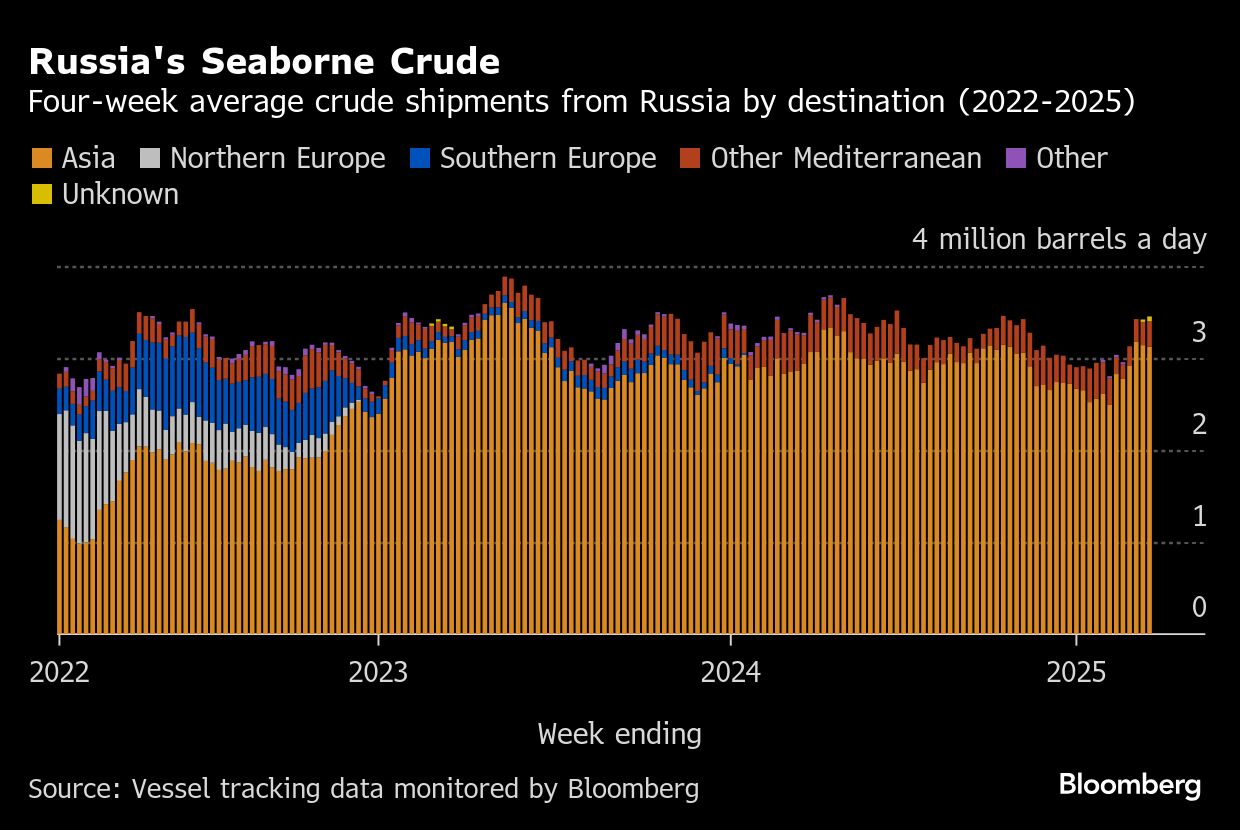
Should the US press ahead, India and China, which have become the key buyers of discounted Russian barrels since Moscow's full-scale invasion of Ukraine, would face particular pressure. Russian crude exports hit a five-month high in March and US sanctions on Russia's oil tanker fleet are showing signs of faltering.
Threatening Tehran
Trump also said he's considering punishing Tehran with unspecified “secondary tariffs” and raised the threat of bombing Iran until it signs a deal that renounces nuclear weapons.
“If they don't make a deal, there will be bombing,” NBC cited Trump as saying.
Iran told Trump in response to his overture that it won't hold talks with his administration, though indirect communications with the US remain a possibility, President Masoud Pezeshkian said Sunday.
Trump's threats “should see prices reacting more strongly considering the volumes at risk,” said Giovanni Staunovo, a commodity analyst at UBS Group AG. “But so far there are no supply disruptions, just threats, and in the past it has taken real disruptions for prices to move higher on a sustained basis.”
Oil prices edged higher at the open on Monday and gold hit a new record — but both cooled as Trump moderated his threats. In Asian morning trade, Brent's June contract slipped toward $72 a barrel, while West Texas Intermediate was near $69.
“If Trump is serious about punishing Russian oil business, then he could go ahead and sanction ships, insurers and buyers,” said Gao Jian, an analyst with Qisheng Futures Co. “But Russia's oil trade is big in scale, he has to assess and weigh pros and cons.”
The US said last week that Ukraine and Russia had agreed to a Black Sea truce as the next stage in Trump's efforts to end the war, following their acceptance of a 30-day halt to strikes on energy infrastructure.
While Ukraine said it would immediately observe the ceasefire, the Kremlin demanded the removal of sanctions on Russian Agricultural Bank, or RSHB, and other financial institutions involved in foreign trade in food and fertilizers.
Trump last week appeared to invent a new economic statecraft tactic by threatening secondary tariffs on countries that buy oil from Venezuela to choke off its oil trade with other nations.
The threat, confirmed in an executive order by Trump, said countries could face 25% tariffs on trade with the US if they purchase oil and gas from Venezuela, which is already under heavy US sanctions. The move was meant to pressure Venezuela for the “tens of thousands of high level, and other, criminals” that Trump said Venezuela has sent to the US.

-
One El Nino, India Can Handle. Two Could Break The Granary

India's grain stocks can absorb one bad year, but a second El Nino could drain the buffer in two to three years, economists say.
-
India's Troika Of Good Luck | Joining The Dots
As Jensen Huang's exit drags Nvidia down, a cooling AI trade and resilient earnings have revived investor interest in India. A likely RBI rate hike looms.
-
Talking Points This Week: Leadership Shock At Nvidia, Earnings Strength, And The Fog Over Hormuz
The Anthropic IPO pricing and first trading day, Nvidia's upcoming earnings, and any fresh signals from Iran will set the tone for the following week.
-
Signature Play: The Classic Cocktail Is Dead. Or Is It?
Classic cocktails are disappearing from India's cocktail menus. But they're still being ordered, taught to bartenders and borrowed from. So, who's really having the last drink?
-
A New Samvat Wishlist: Inclusive Prosperity And Human Development
India has strengthened its economic foundations through infrastructure, digital access and enterprise. Its next growth chapter must deepen productivity, create better livelihoods and widen participation in prosperity.
-
Love, Sex Aur Dhokha: The Audacious Plot To Spy On Jensen Huang
A Taipei dinner, a Singapore chip buyer and a suspected Chinese asset: inside the alleged spy operation that got close to NVIDIA's Jensen Huang.
-
Ten Things I Learnt This Samvat
Patience can be a trap. Cheap stocks can stay cheap. Leverage can wipe you out. What did Samvat 2082 teach us? Niraj Shah writes on 10 lessons from the year gone by.
-
Talking Points This Week: Tech Nerves, FII Buying, And A Faraway Banking Shock
The global markets are not shining this Diwali. The exception in the large markets is, India.
-
Midterm Rally Lasted A Day. The Hard Reality Of A Divided US May Last Two Years | Opinion
Between a contested AI boom, a debt ceiling that arrives in 2027 and a president with every incentive to act alone, the next two years may prove more volatile than the first day's rally suggests.
-
Blue Wave Will Derail the AI Trade but Won't Dismantle the AI Era | Unhedged Position
The Democrats' sweep of the US Congress will see politics collide with economic forces both over the long and short term.









