Tales Of Trade: 19th Century Bombay And The Draw Of The Rule Of Law
This is a series based on The Stories of Indian Business Series: 10 Extraordinary Tales of Trade, published by Penguin Random House and edited by Gurcharan Das.
Three Merchants of Bombay: Business Pioneers of the Nineteenth Century
- By Lakshmi Subramanian
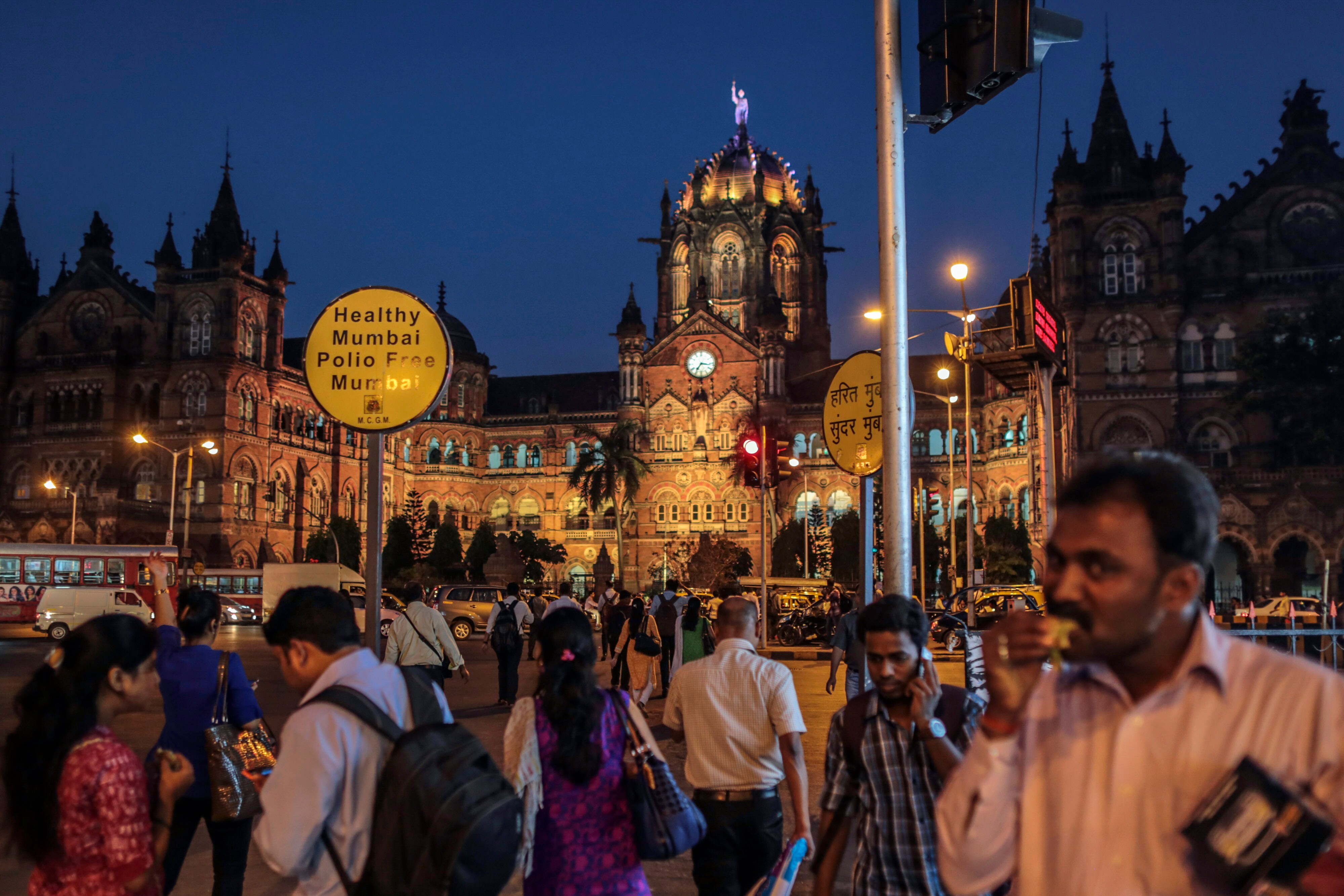
Until the post-Mughal regional kingdoms stabilized the wandering life of a merchant entailed risks of every kind. Pillage was not an unusual means of existence. Hence the merchant sought the protection of a city. But the island city offered much more. It had an open and trusting environment which welcomed all types of business people. It protected private property and confiscated it only in the rarest circumstances. It did not suffer from the Mughal landed gentry's disdain of the merchant nor from the contemptuous attitude of British Calcutta's ‘burra sahib'.
Hence Banias from commercial centres all over western India began to stream into the island, bringing with them an abundance of entrepreneurial dynamism. Soon Bombay was making room for Parsi ship-and-dock-builders, legendary Gujarati men of trade, Jain shroffs, Marwari bankers, Konkani Muslim traders, Baghdadi Jews and European free-traders. As a result it acquired its peculiarly cosmopolitan character early on.
Anyone could rise to the top as long as he had what it took. The stories of Jamsetjee Jeejeebhoy and Premchand Roychand are testament to this.
The Banias also brought with them their traditional institutions and networks, which proved useful when it came to brokering the cotton business between the fields in south Gujarat and Kathiawar and the port of Bombay. The hundi, the legendary financial instrument in particular was indispensable in financing the business between the port and mofussil cotton areas, which had their own currencies and byzantine exchange rates. The hundi became the common currency, and shroffs, such as the renowned Motishaw, Bansilal Abhirchand, Kaka Shah and others in Bazaar Gate, became powerful bankers. To the hundi they added other financial instruments such as ‘respondentia', a risk-sharing mechanism in maritime trade which helped to reduce the hazard in ‘consignment trade'.
Because the early merchant princes went on to become generous philanthropists who made a visible impact on public culture, the island city acquired a modern atmosphere.
Public philanthropy brought respectability to commerce and dignity to the bourgeoisie, as our author explains in some detail. All these qualities go a long way in explaining Bombay's success. But the big stimulus which lifted the island city on to the world stage came from the outside. Bombay became part of a global trading network in the late eighteenth and early nineteenth centuries.
Also Read: Managing Agencies, India's First Venture Capitalists
In writing about the commercial capitalism of eighteenth and nineteenth-century India, Lakshmi Subramanian has brought in a fresh perspective. She has torn down the old, nationalist and Marxist ways of writing business history in which all events were viewed through the lens of colonial and imperial power and through such models as ‘dependent' or ‘comprador' capitalism. While not denying that it was an age of European domination, she is concerned with how well Indian entrepreneurs adapted to the new opportunities and capitalized on their indigenous ways of doing business. There are many lessons to be learned from her book. The main one, as I have pointed out, is the organic and self-reinforcing relationship that tied trade, cities, and governance together, and Governor Aungier's advice in 1772 to a new judge which is still one of the best statements on the importance of the ‘rule of law'.
Another lesson is that free trade holds immense potential for creating the wealth of a nation. Adam Smith and others in eighteenth-century England understood this and hence they fought to break the monopoly of the Company. Once that monopoly was broken, as we saw in Tirthankar Roy's book on the Company in this series, barriers to entry were removed, and this opened up the way for an explosion in private enterprise by Indians and Europeans alike. The enemy of the market and of prosperity is monopoly and lack of competition.
Sir Bartle Frere showed in Bombay that surplus capital from private speculation in cotton could be diverted to reclaim land from the sea. He believed that private companies would do a better job than the public sector and thus he set the stage for the reclamation of the Backbay. This leads to a fourth and related lesson: in a private–public partnership for the building of infrastructure, there is an ever-present danger of ‘crony capitalism' as our author has vividly illustrated in the story of Premchand Roychand and the Bank of Bombay.
Also Read: The Modern Corporation's Roots In The East India Company
A fifth and final lesson is that when trade and free markets make some men hugely wealthy they tend to alleviate the conditions of others as well. There is no evidence in this book that the rise to riches in the three stories recounted here was at the expense of the majority. Trade, in other words, is not a zero-sum game. As we see here the rise of cities accompanies the rise in wealth of the bourgeoisie. This in turn creates its own dynamic. Cities become a magnet of employment opportunities and attract people of all kinds from smaller towns and rural areas. Certainly wealth for a few is not created by impoverishing others.
- Edited excerpt from Gurcharan Das' introduction to the book.
Watch Lakshmi Subramanian, in conversation with Gurcharan Das, on the history of ‘managing agencies' in corporate India.

-
AI Bias In Investing Cannot Be Eliminated, But It Can Be Governed

Framing is a particularly important example as identical financial information presented in terms of gains rather than losses can lead an LLM to reach a different assessment.
-
Joining The Dots | Dark Skies, Steady Diya: Why Hope Holds This Diwali
With war, a weak rupee and foreign outflows weighing on sentiment, policymakers at the NDTV World Summit and market veterans at NDTV Profit Ignite: Diwali Edition offered the same advice: stay invested and filter out the noise.
-
The Curious Case of Equitas Small Finance Bank And A CEO Who Quit For Stock
PN Vasudevan believes persistent investor concerns over a perceived conflict of interest had become a governance overhang on Equitas Small Finance Bank's stock, even as the lender improved profitability and asset quality.
-
Talking Points This Week: AI Cash Burn, A Tiger Comeback And An India That Still Finds Its Own Path
India is not immune to higher oil or tighter global liquidity, yet its earnings base is broader, its domestic policy levers are still available.
-
Foreign Investors Own Half Of HDFC Bank and ICICI Bank. An LTCG Cut Could Matter Most Here
Foreign portfolio investors have US$115 billion parked in HDFC Bank, ICICI Bank. If the government cuts long-term capital gains tax, Jefferies says returning foreign money could land here first.
-
'Never Seen This Level Of Negativity': Sandeep Tandon Says The Next Rally May Be Closer Than You Think
Veteran investor Sandeep Tandon says foreign selling is easing, large-caps are due a comeback and mid-caps are crowded, while he turns positive on gold, power and pharma this Diwali.
-
Indians Stay With Family, Not In Hotels | The Reason Why
India still lacks enough clean, reliable and affordable hotels for budget-conscious travellers.
-
The Economic Imperative: Analysing The Material Driving Force Behind India-Canada Strategic Reset
This economic complementarity is further reinforced by deep institutional investment ties and talent mobility, which form the bedrock of the bilateral framework.
-
Medicine Pricing: Where Must Profit Stop?
India must confront excessive margins, hidden incentives and regulatory gaps that threaten the integrity of medicine.
-
Why Amazon And Flipkart Are Struggling To Beat Meesho In India's Smaller Cities
With 274 million users and lowest-cost logistics, Meesho is defending its value commerce crown against giants like Amazon and Flipkart.










