Southeast Asia Rushes To Avert Tariff Pain By Enticing Trump
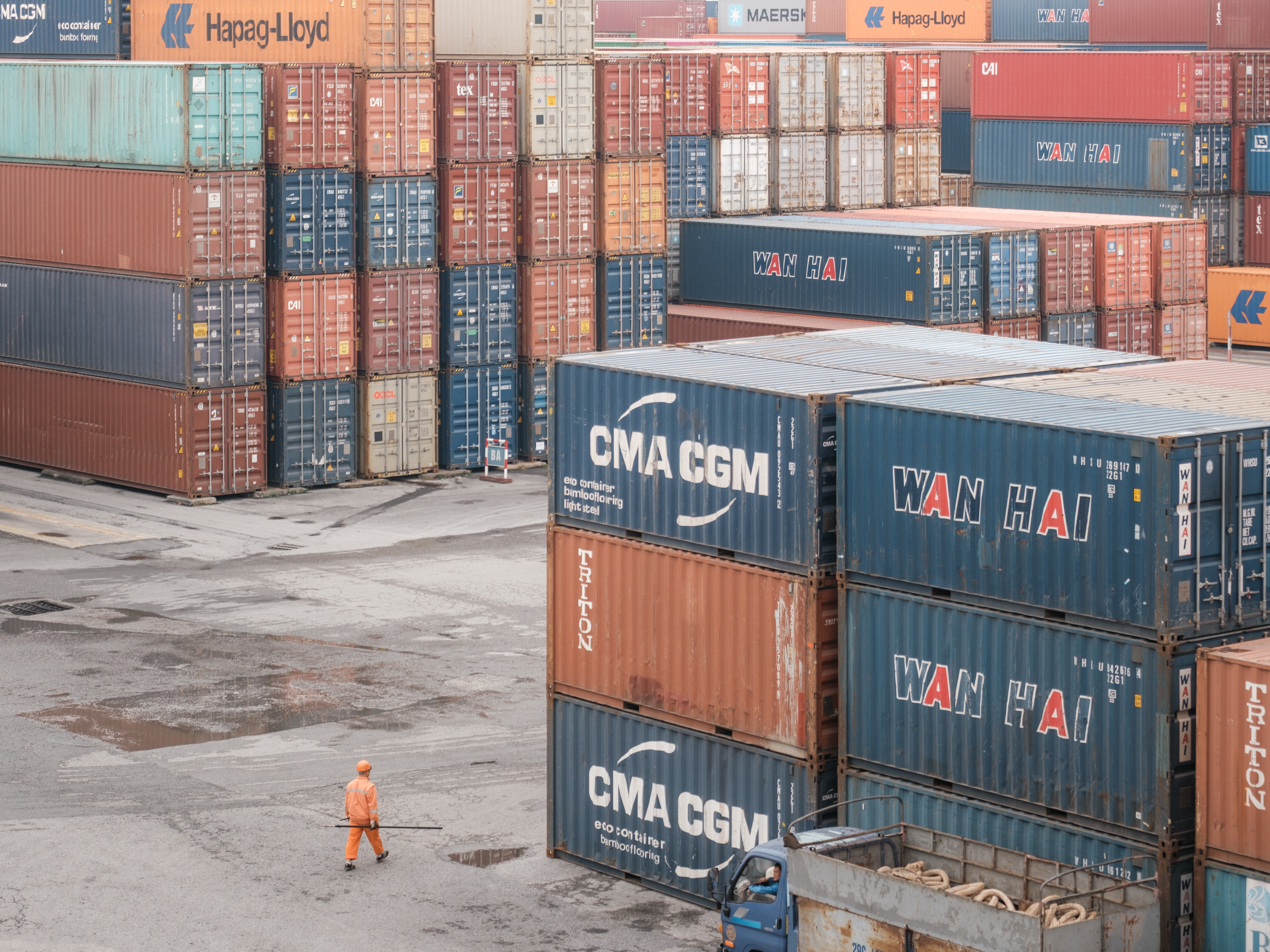
Countries in Southeast Asia, major sources of exports to the US, are angling to accommodate President Donald Trump rather than retaliate against his punishing tariffs, seeking to keep exports flowing to one of their biggest markets.
Vietnam, Cambodia and Indonesia have said in recent days that they're open to negotiations over the “reciprocal tariffs” Trump announced this week, while Singapore, a finance and trade hub, said it didn't plan to strike back.
The offers come as nations worldwide weigh how to respond to Trump's decision to slap tariffs from 10% to as high as 50% on every country. Since his announcement, trillions of dollars in market value have been wiped out globally and triggered widespread recession alarms. Southeast Asia's offers to negotiate contrast with China's immediate retaliation, while the European Union is preparing its own countermeasures if talks fail.
Vietnam has been trying to avoid severe tariffs since Trump re-entered the White House in January. Prime Minister Pham Minh Chinh said he'd golf with him at Mar-a-Lago if it would help resolve trade issues. The government has moved to placate the US by cutting tariffs on American cars, ethanol and liquefied natural gas.
Trump has indicated his openness to agreements if countries offer something “phenomenal.”
“The tariffs give us great power to negotiate,” Trump said aboard Air Force One on Thursday, adding that “every country has called us.”
Vietnam appeared to be among the first movers, with the country's leader To Lam offering to drop tariffs on US goods and heighten imports, in order to dodge Trump's 46% tariff. The American president described a call between them as “very productive” and indicated that the two leaders would meet.
It's as yet unclear if lowering tariffs on the US would be enough for Vietnam. The country's manufacturing sector has boomed since the first Trump term, when companies accelerated a shift in manufacturing out of China to avoid trade restrictions. Trump's effort to target Vietnam, as well as Cambodia and Thailand, has upended that strategy.
Hints that Vietnam could get entangled in Trump's trade clashes began in 2019, when he accused the country of taking advantage of the US “even worse than China.” Vietnam has been among Asia's fastest growing economies, expanding 7.1% last year. It also has one of the biggest trade surpluses with the US, about $100 billion, just behind massive trading partners such as China, Mexico and Canada.
Cambodia, among the poorest countries to be affected and facing the highest US tariff of any Asian economy, at 49%, promised to slash its own duties on US goods and promote their imports.
“Cambodia is a serving a useful purpose, smoking out the level of negotiating ambition of the United States,” said Simon Evenett, founder of the St. Gallen Endowment for Prosperity Through Trade, a group based in Switzerland that tracks trade policies. “If the Americans push too hard, they'll scare away other bigger fish.”
At the same time, Indonesia, which faces a 32% US tariff, pledged to ease trade rules and is sending a delegation to Washington next week.
Hints of a deal with Vietnam buoyed the stocks of sneaker and apparel makers in the US, which have become increasingly reliant on the country given its skilled and low-waged labor, infrastructure and trade agreements with the US.
Shares of Nike Inc. and Lululemon Athletica Inc. soared, while household appliance maker SharkNinja Inc. and home furnishings company RH reversed or pared earlier losses.
About half of all Nike brand shoes and 39% of Adidas shoes are made in Vietnam, according to regulatory filings, with the country being the largest supplier of footwear for both companies.
Analysts from Jefferies estimate that only about 2.5% of the US apparel market and 1% of footwear are produced domestically. Vietnam exported $44 billion in textiles last year, with the US as its largest market, according to the nation's textile and apparel association.

-
Getting To Work Costs Women More | The Reason Why

It is not just about women paying more than men. It is about women paying much more in cities than in villages.
-
AI Bias In Investing Cannot Be Eliminated, But It Can Be Governed
Framing is a particularly important example as identical financial information presented in terms of gains rather than losses can lead an LLM to reach a different assessment.
-
Joining The Dots | Dark Skies, Steady Diya: Why Hope Holds This Diwali
With war, a weak rupee and foreign outflows weighing on sentiment, policymakers at the NDTV World Summit and market veterans at NDTV Profit Ignite: Diwali Edition offered the same advice: stay invested and filter out the noise.
-
The Curious Case of Equitas Small Finance Bank And A CEO Who Quit For Stock
PN Vasudevan believes persistent investor concerns over a perceived conflict of interest had become a governance overhang on Equitas Small Finance Bank's stock, even as the lender improved profitability and asset quality.
-
Talking Points This Week: AI Cash Burn, A Tiger Comeback And An India That Still Finds Its Own Path
India is not immune to higher oil or tighter global liquidity, yet its earnings base is broader, its domestic policy levers are still available.
-
Foreign Investors Own Half Of HDFC Bank and ICICI Bank. An LTCG Cut Could Matter Most Here
Foreign portfolio investors have US$115 billion parked in HDFC Bank, ICICI Bank. If the government cuts long-term capital gains tax, Jefferies says returning foreign money could land here first.
-
'Never Seen This Level Of Negativity': Sandeep Tandon Says The Next Rally May Be Closer Than You Think
Veteran investor Sandeep Tandon says foreign selling is easing, large-caps are due a comeback and mid-caps are crowded, while he turns positive on gold, power and pharma this Diwali.
-
Indians Stay With Family, Not In Hotels | The Reason Why
India still lacks enough clean, reliable and affordable hotels for budget-conscious travellers.
-
The Economic Imperative: Analysing The Material Driving Force Behind India-Canada Strategic Reset
This economic complementarity is further reinforced by deep institutional investment ties and talent mobility, which form the bedrock of the bilateral framework.
-
Medicine Pricing: Where Must Profit Stop?
India must confront excessive margins, hidden incentives and regulatory gaps that threaten the integrity of medicine.










