Russia’s Luna-25 Spacecraft Destroyed As It Crashes Into Moon
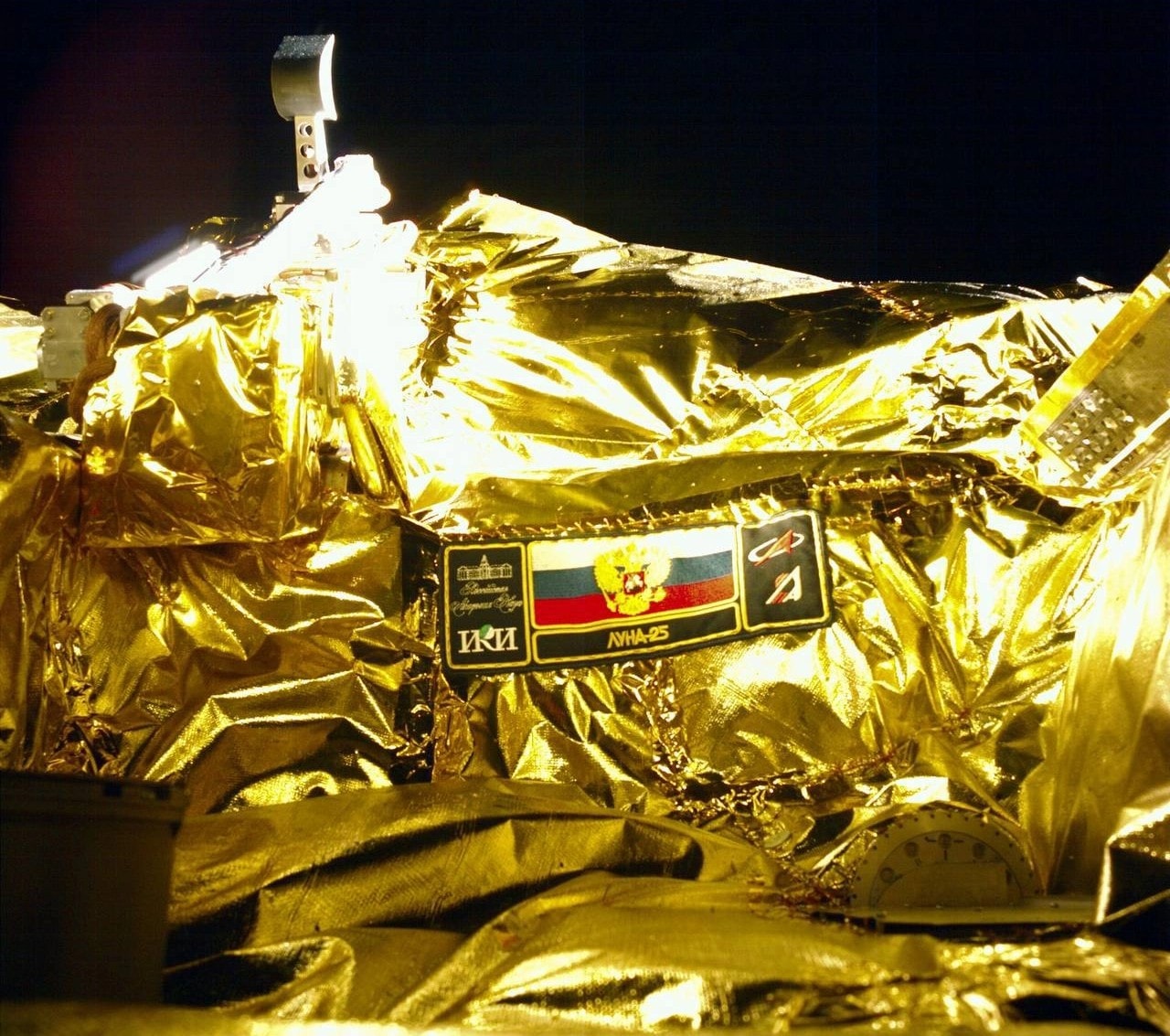
(Bloomberg) -- Russia said its robotic spacecraft crashed while attempting to land near the moon's south pole, failing in a race with India to become the first country to reach the region.
Luna-25 was meant to mark Moscow's return to the moon nearly half a century after the last Soviet mission. The spacecraft spun into an uncontrolled orbit and “ceased to exist” when it collided with the moon's surface, Russian space agency Roscosmos said Sunday in a statement, citing preliminary results of investigation.
Communication with the craft was lost on Saturday, Roscosmos said.
Meanwhile, India's Chandrayaan-3 spacecraft is orbiting the moon and will likely attempt a landing near the pole this week.
For Roscosmos, the Luna-25 failure is the latest in a series of setbacks, after Moscow's invasion of Ukraine in 2022 cut off launch-service revenue from many foreign satellite operators. Luna-25 was due to land n the moon's south pole as early as Monday, but Roscosmos said on Saturday that it wasn't able to enter its scheduled pre-landing orbit.
The lunar south pole is a highly coveted target among space-faring nations, including the US and China. Sensors from various lunar spacecraft have found evidence of water ice in craters in the region. Engineers and scientists have proposed the possibility of prospecting and maybe even mining this water ice in the future, for use in future lunar exploration and maybe even as a source of rocket fuel.
Read More: Russia's Space Program Reels After Putin's Ukraine Invasion
By using the Luna name for new mission, Roscosmos linked the new probe to the achievements of the Soviet space program, which was the leader in moon exploration early in the space age before NASA overshadowed it with the Apollo missions.
The USSR's Luna program attempted nearly 50 missions between 1958 and 1976, of which only 17 were successful. Those included Luna-2, the first spacecraft to reach the moon's surface, and Luna-3, the first to take pictures from the far side of the moon, both in 1959.
The Luna-25 “is fundamentally different from its predecessors,” Roscosmos said in a post on Telegram last week. While Soviet-era spacecraft landed near the moon's equator, the new mission is at the lunar south pole, a “region with a much more complex terrain.”
Chandrayaan-3 launched last month, with a landing attempt possible as early as Wednesday. Unlike Luna-25, the Indian spacecraft includes a lunar rover in addition to a lander.
India's previous moon mission, Chandrayaan-2, ended in a crash near the lunar south pole in 2019.
--With assistance from Loren Grush.
More stories like this are available on bloomberg.com
©2023 Bloomberg L.P.

-
We May Need Another Tukaram Mundhe To Fight Air Pollution | The Reason Why

Developers may install basic measures such as sprinklers and green nets, resume work, and continue violating rules when this equipment stops working.
-
Extracting Value From Battery Scrap Could Be Challenging For India | The Reason Why
A discarded lithium-ion battery still contains valuable materials such as lithium, nickel and cobalt. These can be recovered and reused. When such batteries are crushed and shredded, they produce a dark powder called black mass.
-
One El Nino, India Can Handle. Two Could Break The Granary
India's grain stocks can absorb one bad year, but a second El Nino could drain the buffer in two to three years, economists say.
-
India's Troika Of Good Luck | Joining The Dots
As Jensen Huang's exit drags Nvidia down, a cooling AI trade and resilient earnings have revived investor interest in India. A likely RBI rate hike looms.
-
Talking Points This Week: Leadership Shock At Nvidia, Earnings Strength, And The Fog Over Hormuz
The Anthropic IPO pricing and first trading day, Nvidia's upcoming earnings, and any fresh signals from Iran will set the tone for the following week.
-
Signature Play: The Classic Cocktail Is Dead. Or Is It?
Classic cocktails are disappearing from India's cocktail menus. But they're still being ordered, taught to bartenders and borrowed from. So, who's really having the last drink?
-
A New Samvat Wishlist: Inclusive Prosperity And Human Development
India has strengthened its economic foundations through infrastructure, digital access and enterprise. Its next growth chapter must deepen productivity, create better livelihoods and widen participation in prosperity.
-
Love, Sex Aur Dhokha: The Audacious Plot To Spy On Jensen Huang
A Taipei dinner, a Singapore chip buyer and a suspected Chinese asset: inside the alleged spy operation that got close to NVIDIA's Jensen Huang.
-
Ten Things I Learnt This Samvat
Patience can be a trap. Cheap stocks can stay cheap. Leverage can wipe you out. What did Samvat 2082 teach us? Niraj Shah writes on 10 lessons from the year gone by.
-
Talking Points This Week: Tech Nerves, FII Buying, And A Faraway Banking Shock
The global markets are not shining this Diwali. The exception in the large markets is, India.









