MSC Ships Turn Away From Red Sea as Trade Disruptions Mount
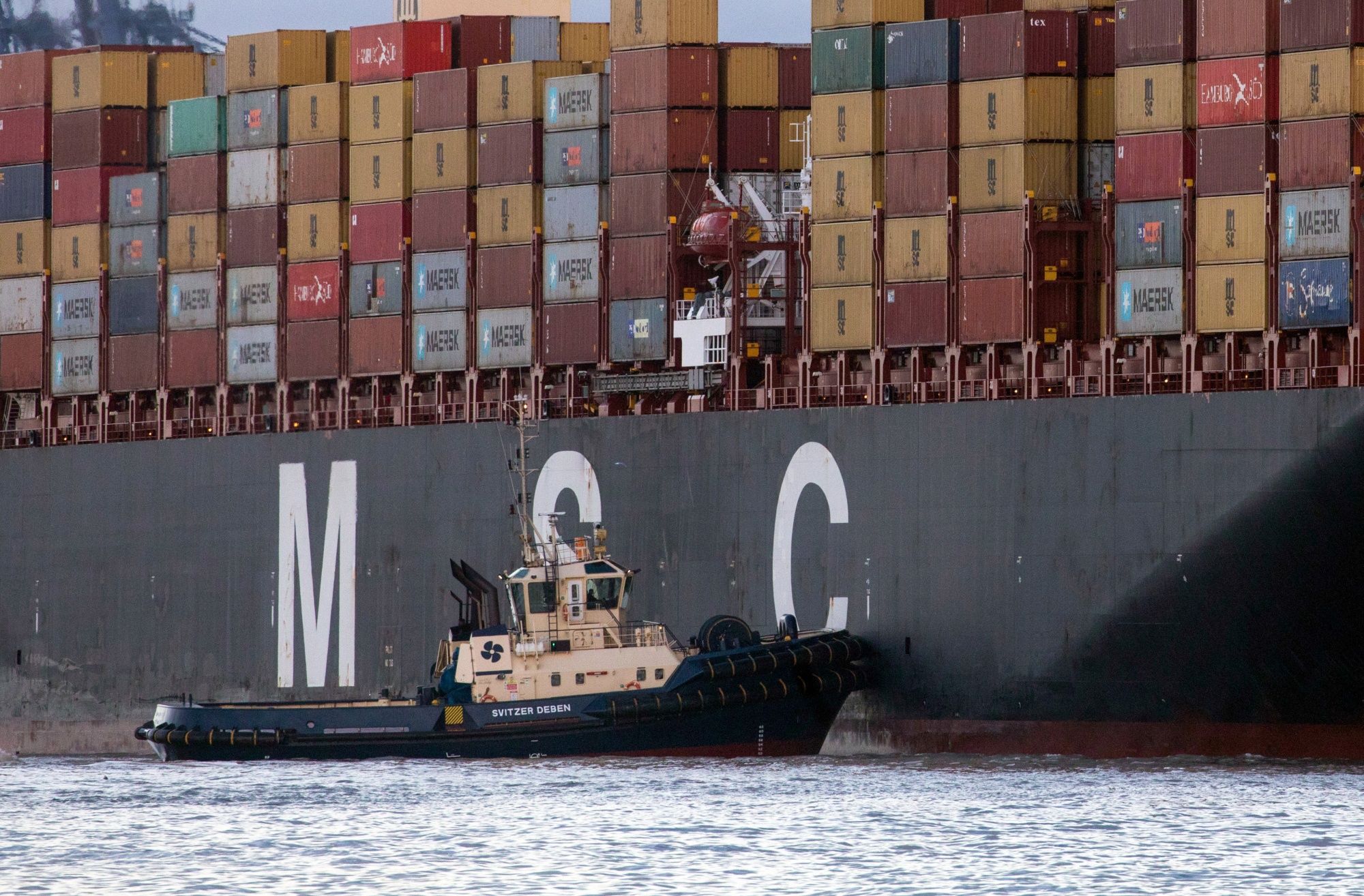
(Bloomberg) -- MSC Mediterranean Shipping Co. SA, the world's largest container line, joined competitors in diverting ships away from the Red Sea to avoid the threat of attacks on commercial cargo carriers by Houthi rebels operating in Yemen.
The MSC Palatium III was attacked on Friday in the Red Sea, the company said in a statement Saturday on its website, confirming earlier reports. There were no injuries among the crew of the container ship, though there was “limited fire damage” and the vessel has been taken out of service.
“Due to this incident and to protect the lives and safety of our seafarers, until the Red Sea passage is safe, MSC ships will not transit the Suez Canal eastbound and westbound,” the company said in its statement.
“Some services will be rerouted to go via the Cape of Good Hope instead,” it said, referring to the southern tip of Africa.
Read more: Shipping Giants Pause Red Sea Route as Houthi Attacks Intensify
Flexport Inc., a freight forwarding platform based in San Francisco, said in a blog post that taking the route around Africa prolongs the journey by seven to 10 days compared with using the Suez Canal.
The MSC Tessa and MSC Capella on Friday turned south around mid-day and are currently sailing off the coast of Somalia, according to satellite-assisted tracking data compiled by Bloomberg. Both had indicated Suez as their next port of call, the data showed.
Delivered earlier this year, Tessa is among the world's newest and largest container ships, with capacity to carry more than 24,000 20-foot containers.
The rerouting of the world's container fleet around the conflict zone during Israel's war against Hamas in Gaza threatens to increase freight rates and cause delays rippling across global supply chains.
Shares of Copenhagen-based A.P. Moller-Maersk A/S, Germany's Hapag-Lloyd AG and Israel-based carrier Zim Integrated Shipping Services all rallied on Friday amid expectations the disruptions will help reduce an oversupply of shipping capacity.
Closely held MSC, based in Geneva, controls about one-fifth of the capacity in the global container market.
About 5% of global trade depends on the Panama Canal and 12% depends on Suez, according to Marco Forgione, director general at the Institute of Export & International Trade. Drought in Panama is creating a bottleneck for ships traversing that passageway by lowering water levels.
“They are fundamental to the flow of international trade,” Forgione said in a statement Friday. “Without them operating smoothly, the domino effect of damage and disruption to supply chains caused by ships delayed and in the wrong places will be substantial.”
More stories like this are available on bloomberg.com
©2023 Bloomberg L.P.

-
Why Swapping Your Old Gold Can Trigger A Rs 5 Lakh Tax Bill, And How You Can Avoid It Legally

Swapping old gold for new is taxed as a sale and a fresh purchase. Getting your own gold remade can cut most of that bill, though it has its own costs.
-
The AI Trade is Done. The Real Opportunity for Investors Starts in 2027 | Unhedged Position
As pureplay AI stocks plunge and circular, capex-led financing unwinds, 2027 is set to be a year of reckoning for AI companies. Yet the bust clears the way for a better opportunity for investors in 2027 -- shifting the spotlight from AI builders to the companies using AI.
-
Leadership As Mission: Why The Age Of AI Demands More Human Leadership
Debjani Ghosh examines how AI is changing leadership, arguing that its success must be measured by its impact on people and the accountability of those guiding its use.
-
We May Need Another Tukaram Mundhe To Fight Air Pollution | The Reason Why
Developers may install basic measures such as sprinklers and green nets, resume work, and continue violating rules when this equipment stops working.
-
Extracting Value From Battery Scrap Could Be Challenging For India | The Reason Why
A discarded lithium-ion battery still contains valuable materials such as lithium, nickel and cobalt. These can be recovered and reused. When such batteries are crushed and shredded, they produce a dark powder called black mass.
-
One El Nino, India Can Handle. Two Could Break The Granary
India's grain stocks can absorb one bad year, but a second El Nino could drain the buffer in two to three years, economists say.
-
India's Troika Of Good Luck | Joining The Dots
As Jensen Huang's exit drags Nvidia down, a cooling AI trade and resilient earnings have revived investor interest in India. A likely RBI rate hike looms.
-
Talking Points This Week: Leadership Shock At Nvidia, Earnings Strength, And The Fog Over Hormuz
The Anthropic IPO pricing and first trading day, Nvidia's upcoming earnings, and any fresh signals from Iran will set the tone for the following week.
-
Signature Play: The Classic Cocktail Is Dead. Or Is It?
Classic cocktails are disappearing from India's cocktail menus. But they're still being ordered, taught to bartenders and borrowed from. So, who's really having the last drink?
-
A New Samvat Wishlist: Inclusive Prosperity And Human Development
India has strengthened its economic foundations through infrastructure, digital access and enterprise. Its next growth chapter must deepen productivity, create better livelihoods and widen participation in prosperity.









