Government, RBI Must Treat Public And Private Banks Equally, Says Rajan
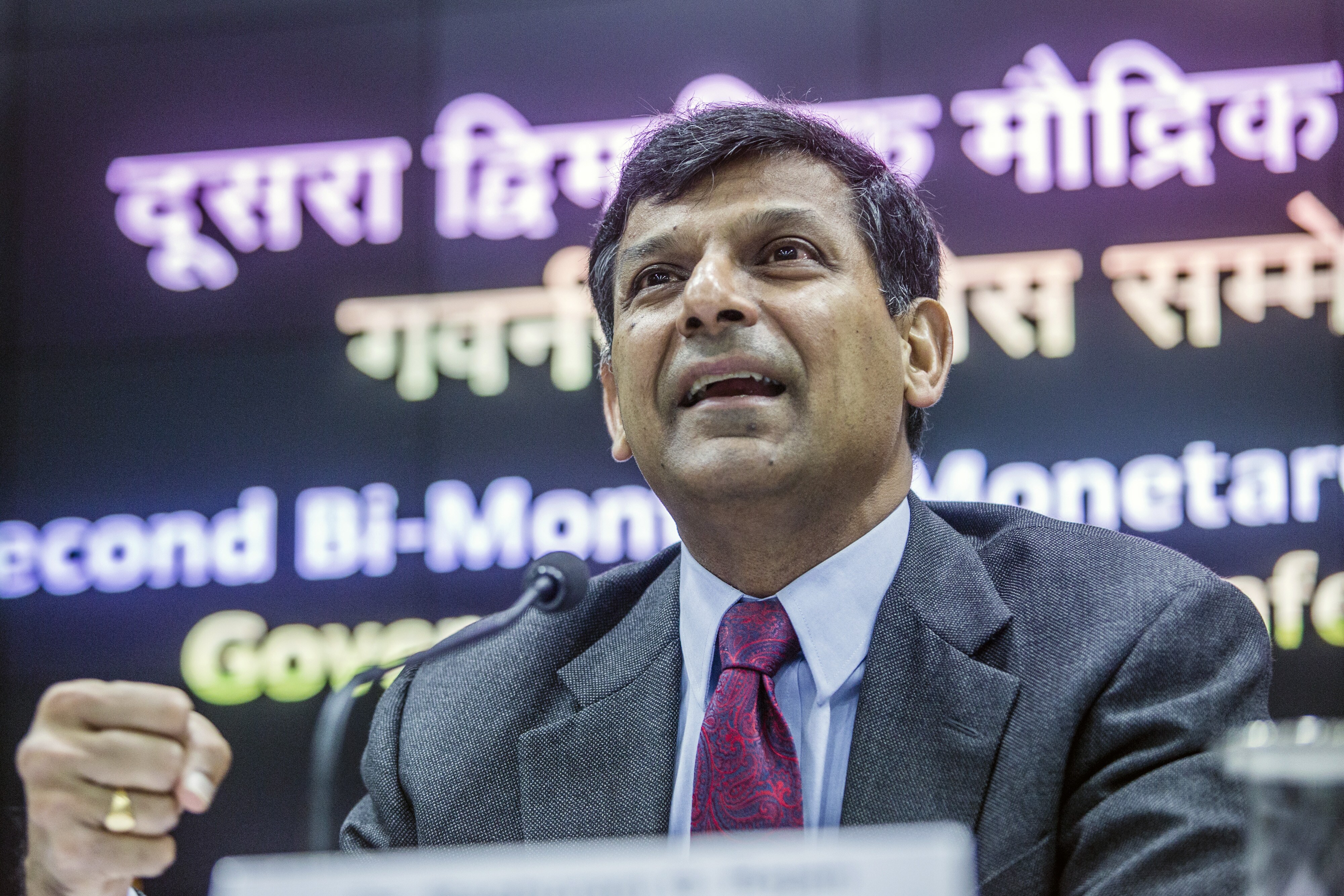
The government and the Reserve Bank of India should, over the medium term, reduce the difference in the regulatory treatment of government-owned and private banks, outgoing RBI Governor Raghuram Rajan said in an address.
He was speaking at a banking summit organised by the Federation of Indian Chambers of Commerce and Industry and Indian Banks' Association.
Highlighting the disparity between public and private banks, Rajan said, apart from meeting all the regulatory requirements (like private banks do), public sector banks also have to follow government mandates such opening bank accounts under the Pradhan Mantri Jan-Dhan Yojana and disbursing loans under the MUDRA scheme. They also have to follow inflexible rules on hiring.
They are also subject to hiring mandates, in particular, the need to hire through open all-India exams rather than from specific campuses or from the local community, and to meet various government diversity mandates.Raghuram Rajan, Governor, RBI
In return, public sector banks get a larger portion of business from the government, and a larger chunk of its deposits. Additionally, they have the advantage of being backed by government credit, he said.
Some of the difference between public and private sector banks, especially when it comes to executing the government's programmes, can be mitigated if the government began paying an adequate price for its mandates.
“For example, when every direct benefit transfer is paid a remunerative price, all banks have an incentive to undertake the business and open basic customer accounts,” said Rajan. “The most efficient bank will garner more business, and the payment can be gradually reduced over time, commensurate with the accrued efficiencies.”
Rajan stressed the need to improve talent acquisition by public sector banks. Like many government-owned companies the world over, India's public sector banks pay their low-level employees better than their private sector counterparts. Conversely, the higher management is paid much less. “This makes it hard for them to attract top talent, but makes it easier to attract good people at lower levels,” said Rajan.
It is possible, he said, to improve the governance of public sector banks by enabling new hires to rise up the ranks quickly, with the aid of technology and training.
Rajan also suggested that public sector banks petition courts to allow them to have access to campus hiring. Currently, government banks can only hire through entrance exams. The irony is not lost on Rajan, who pointed out that most of the graduates from the government-bank-supported National Institute of Bank Management end up at private sector banks.
The governor said that the pipeline for project financing in India is very large, with airports, roads, railway lines, and power plants being planned. But, banks must approach this opportunity differently than they did in 2007-08, when “exuberance” got the better of them.
Also Read: So Long to India's Monetary Rock Star

-
We May Need Another Tukaram Mundhe To Fight Air Pollution | The Reason Why

Developers may install basic measures such as sprinklers and green nets, resume work, and continue violating rules when this equipment stops working.
-
Extracting Value From Battery Scrap Could Be Challenging For India | The Reason Why
A discarded lithium-ion battery still contains valuable materials such as lithium, nickel and cobalt. These can be recovered and reused. When such batteries are crushed and shredded, they produce a dark powder called black mass.
-
One El Nino, India Can Handle. Two Could Break The Granary
India's grain stocks can absorb one bad year, but a second El Nino could drain the buffer in two to three years, economists say.
-
India's Troika Of Good Luck | Joining The Dots
As Jensen Huang's exit drags Nvidia down, a cooling AI trade and resilient earnings have revived investor interest in India. A likely RBI rate hike looms.
-
Talking Points This Week: Leadership Shock At Nvidia, Earnings Strength, And The Fog Over Hormuz
The Anthropic IPO pricing and first trading day, Nvidia's upcoming earnings, and any fresh signals from Iran will set the tone for the following week.
-
Signature Play: The Classic Cocktail Is Dead. Or Is It?
Classic cocktails are disappearing from India's cocktail menus. But they're still being ordered, taught to bartenders and borrowed from. So, who's really having the last drink?
-
A New Samvat Wishlist: Inclusive Prosperity And Human Development
India has strengthened its economic foundations through infrastructure, digital access and enterprise. Its next growth chapter must deepen productivity, create better livelihoods and widen participation in prosperity.
-
Love, Sex Aur Dhokha: The Audacious Plot To Spy On Jensen Huang
A Taipei dinner, a Singapore chip buyer and a suspected Chinese asset: inside the alleged spy operation that got close to NVIDIA's Jensen Huang.
-
Ten Things I Learnt This Samvat
Patience can be a trap. Cheap stocks can stay cheap. Leverage can wipe you out. What did Samvat 2082 teach us? Niraj Shah writes on 10 lessons from the year gone by.
-
Talking Points This Week: Tech Nerves, FII Buying, And A Faraway Banking Shock
The global markets are not shining this Diwali. The exception in the large markets is, India.









