Qatar Says Negotiations Over Gaza Cease-Fire ‘Not Positive’
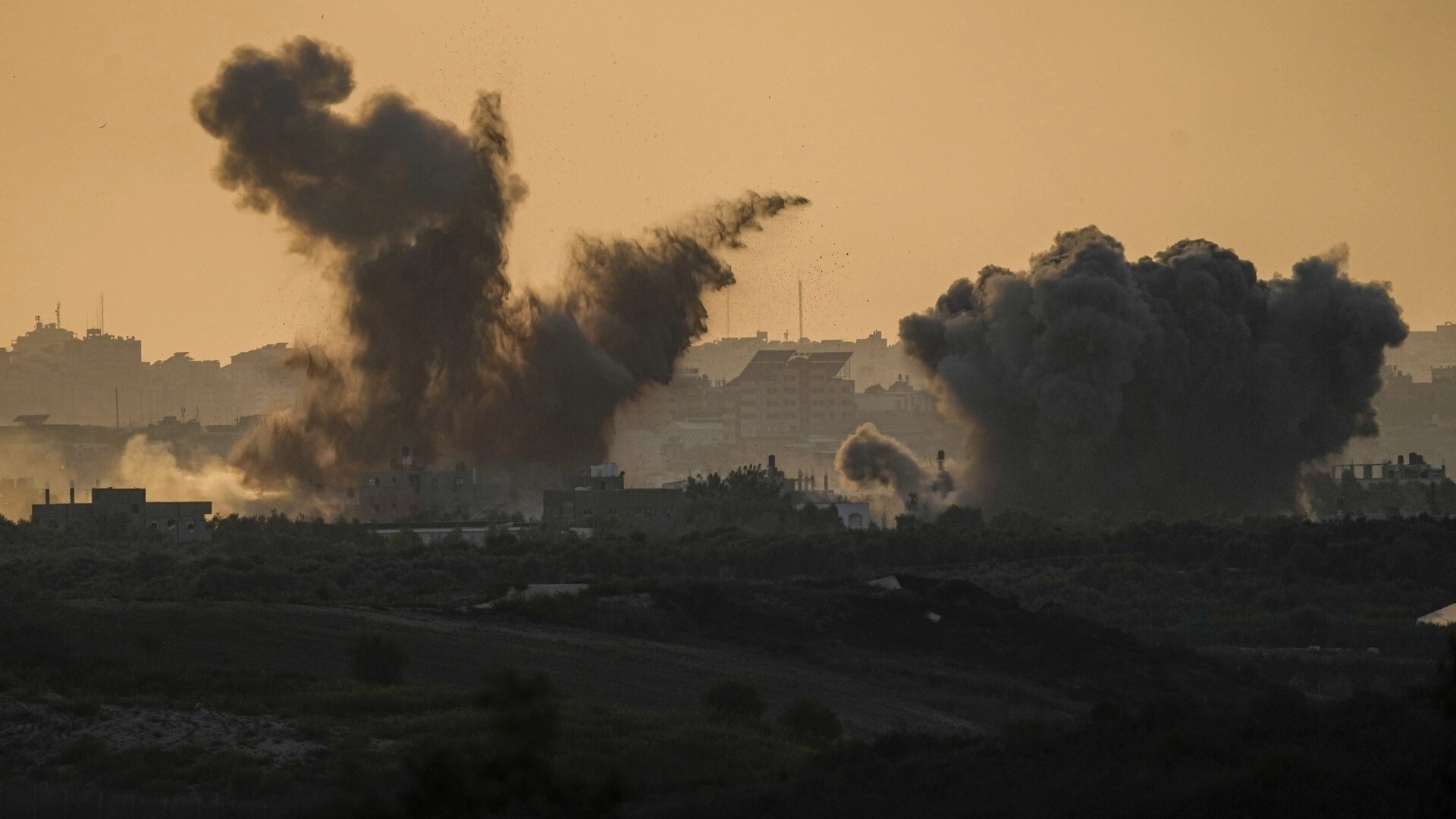
(Bloomberg) -- Qatar's foreign minister said negotiations aimed at securing an Israel-Hamas cease-fire and the release of hostages haven't progressed as hoped, with issues such as how to address the unfolding humanitarian crisis in Gaza still to be resolved.
The US signaled over the weekend that it would oppose a potential vote in the UN Security Council calling for a humanitarian cease-fire, saying a proposed resolution may “run counter” to a sustainable end to the conflict.
Qatar is among a group of countries mediating efforts to secure a pause in the war, together with Egypt and the US. Israeli Prime Minster Benjamin Netanyahu last week opted not to send a delegation for a fresh round of talks in Cairo, dismissing demands by Hamas as “delusional.”

“The pattern of last few days is not very positive,” Qatari Foreign Minister Mohammed bin Abdulrahman Al Thani said Saturday during a panel discussion at the Munich Security Conference. “We still see some difficulties on the humanitarian part of these negotiations.”
Separately, on Sunday, Israel's cabinet unanimously approved a declaration submitted by Netanyahu rejecting any “international diktat” regarding a permanent arrangement with the Palestinians.
Any arrangement will be achieved only by direct negotiations between the parties, without preconditions, and Israel will continue to oppose the unilateral recognition of a Palestinian state, according to the declaration.
The declaration echoed comments made by Netanyahu following a call with US President Joe Biden on Friday.
The standstill comes as international fears grow that Israel is poised to launch a military assault on Rafah, the southern Gaza city where more than 1 million Palestinians have taken refuge from fighting further north.
Biden and other world leaders have urged Netanyahu to hold off on an attack until a plan is in place to ensure the safety of civilians.
Read more: Israel Quits Cease-fire Talks Over ‘Delusional' Hamas Demands
Israel's campaign in Gaza has killed more than 28,000 people since the start of the war more than four months ago, according to the Hamas-run health ministry. Much of the enclave has been devastated by air strikes and ground fighting. The conflict was triggered when the militant group attacked southern Israel on Oct. 7, leaving about 1,200 dead and abducting hundreds.
About 100 hostages remain in Gaza after some were released during a brief cease-fire and prisoner exchange in late November. Hamas is considered a terrorist organization by the US and European Union.
Read More: Why Rafah Is Raising Fears in Israel-Hamas War: QuickTake
“The humanitarian situation in Gaza, especially when it comes to Rafah, when we see the population there, is a dire situation,” al-Thani said. “We are seeing some threatening moments.”
He added that “time is not in our favor” due to the start of Ramadan in mid-March, while the ongoing crisis is “dangerous for the entire region.”
The US said Saturday it didn't back a draft resolution proposed by Algeria that calls for an immediate humanitarian cease-fire in Gaza.
“The United States does not support action on this draft resolution,” Linda Thomas-Greenfield, US Ambassador to the UN, said in a statement. “Should it come up for a vote as drafted, it will not be adopted.”
--With assistance from Alisa Odenheimer.
(Updates with US statement, Israeli cabinet declaration from second paragraph.)
More stories like this are available on bloomberg.com
©2024 Bloomberg L.P.

-
Indians Are Travelling, But Not Every Journey Is A Holiday | The Week In Whys

Pilgrims, patients and working women are the real travellers, and the system hasn't quite caught up with them.
-
Getting To Work Costs Women More | The Reason Why
It is not just about women paying more than men. It is about women paying much more in cities than in villages.
-
AI Bias In Investing Cannot Be Eliminated, But It Can Be Governed
Framing is a particularly important example as identical financial information presented in terms of gains rather than losses can lead an LLM to reach a different assessment.
-
Joining The Dots | Dark Skies, Steady Diya: Why Hope Holds This Diwali
With war, a weak rupee and foreign outflows weighing on sentiment, policymakers at the NDTV World Summit and market veterans at NDTV Profit Ignite: Diwali Edition offered the same advice: stay invested and filter out the noise.
-
The Curious Case of Equitas Small Finance Bank And A CEO Who Quit For Stock
PN Vasudevan believes persistent investor concerns over a perceived conflict of interest had become a governance overhang on Equitas Small Finance Bank's stock, even as the lender improved profitability and asset quality.
-
Talking Points This Week: AI Cash Burn, A Tiger Comeback And An India That Still Finds Its Own Path
India is not immune to higher oil or tighter global liquidity, yet its earnings base is broader, its domestic policy levers are still available.
-
Foreign Investors Own Half Of HDFC Bank and ICICI Bank. An LTCG Cut Could Matter Most Here
Foreign portfolio investors have US$115 billion parked in HDFC Bank, ICICI Bank. If the government cuts long-term capital gains tax, Jefferies says returning foreign money could land here first.
-
'Never Seen This Level Of Negativity': Sandeep Tandon Says The Next Rally May Be Closer Than You Think
Veteran investor Sandeep Tandon says foreign selling is easing, large-caps are due a comeback and mid-caps are crowded, while he turns positive on gold, power and pharma this Diwali.
-
Indians Stay With Family, Not In Hotels | The Reason Why
India still lacks enough clean, reliable and affordable hotels for budget-conscious travellers.
-
The Economic Imperative: Analysing The Material Driving Force Behind India-Canada Strategic Reset
This economic complementarity is further reinforced by deep institutional investment ties and talent mobility, which form the bedrock of the bilateral framework.










