OPEC+ Efforts At Oil Quota Compensation Look Flimsy As Ever
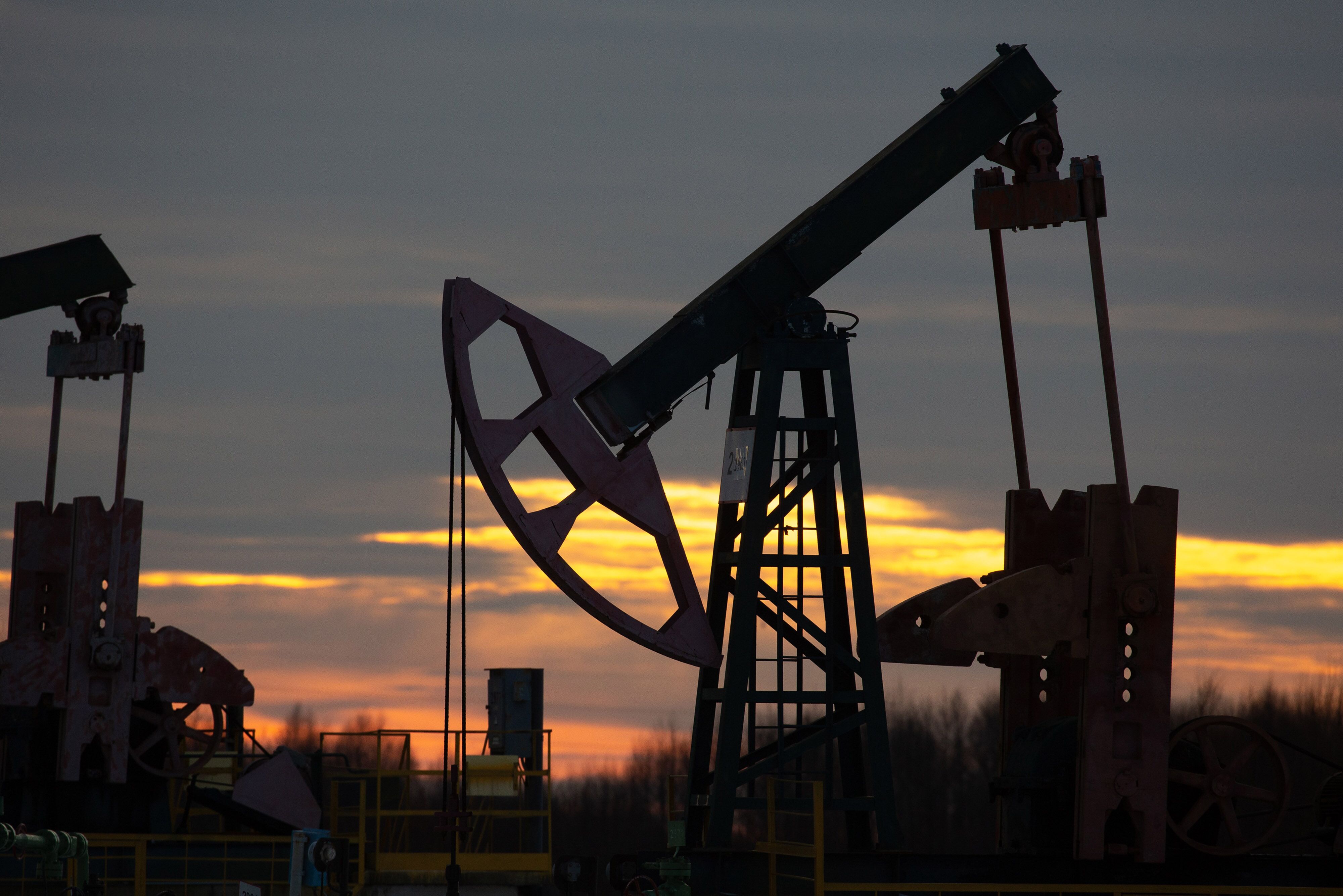
As OPEC+ makes yet another push for members to atone for busting their oil quotas, the latest data show their record of doing so is as bad as ever.
When Saudi Arabia and its partners announced last month they would start reviving output halted two years before, they stressed that the group's “compensation mechanism” meant the increase wouldn't disturb world markets.
That's because several members that previously exceeded their limits had pledged extra cutbacks to make amends, meaning their overall output wouldn't rise even as their quotas loosened.
But data published by the cartel on Wednesday show the scheme has, once again, had little success: the total backlog of overdue compensation cuts has increased by almost 9% to roughly 139 million barrels.
While Iraq and Russia made a small amount of progress, it was dwarfed by overproduction in habitual quota-violator Kazakhstan, where the backlog expanded by more than 40%. OPEC+ delegates have said that Astana's persistent offending motivated last month's surprise policy shift that raised production faster than expected, as Riyadh seeks to discipline the cheats with lower oil prices.

Crude futures have duly slumped, with the combination of OPEC+'s decision and President Donald Trump's trade war briefly pushing Brent to a four-year low below $60 a barrel. But historical data show the limits of using low prices to punish countries like Kazakhstan or Iraq.
The market rout may indeed cause them financial pain, driving prices considerably below the levels the International Monetary Fund estimates are necessary to cover government spending. Those figures stand at $115 a barrel for Astana and $92 for Baghdad.
Yet other imperatives mean that price moves alone may not be enough to sway their behavior.
International oil companies operating in Kazakhstan have been boosting production capacity at long-term projects like the Tengiz field, which is operated by a joint venture led by Chevron Corp. The nation's contracts with foreign firms allow limited scope to force cutbacks. Despite holding talks with its corporate partners, Kazakhstan has made little real effort to compel reductions, according to people familiar with the matter.
For Iraq, OPEC's internal data show a poor track record of compensating for overproduction in previous rounds of cuts. Baghdad has long chafed against output limits, as it seeks to rebuild its economy and trading relationships after decades of sanctions and conflict.

-
India's Troika Of Good Luck | Joining The Dots

A weaker Trump, a cooling AI trade and resilient earnings have put Indian markets back in favour. Rising inflation could spoil the party.
-
Talking Points This Week: Leadership Shock At Nvidia, Earnings Strength, And The Fog Over Hormuz
The Anthropic IPO pricing and first trading day, Nvidia's upcoming earnings, and any fresh signals from Iran will set the tone for the following week.
-
Signature Play: The Classic Cocktail Is Dead. Or Is It?
Classic cocktails are disappearing from India's cocktail menus. But they're still being ordered, taught to bartenders and borrowed from. So, who's really having the last drink?
-
A New Samvat Wishlist: Inclusive Prosperity And Human Development
India has strengthened its economic foundations through infrastructure, digital access and enterprise. Its next growth chapter must deepen productivity, create better livelihoods and widen participation in prosperity.
-
Love, Sex Aur Dhokha: The Audacious Plot To Spy On Jensen Huang
A Taipei dinner, a Singapore chip buyer and a suspected Chinese asset: inside the alleged spy operation that got close to NVIDIA's Jensen Huang.
-
Ten Things I Learnt This Samvat
Patience can be a trap. Cheap stocks can stay cheap. Leverage can wipe you out. What did Samvat 2082 teach us? Niraj Shah writes on 10 lessons from the year gone by.
-
Talking Points This Week: Tech Nerves, FII Buying, And A Faraway Banking Shock
The global markets are not shining this Diwali. The exception in the large markets is, India.
-
Midterm Rally Lasted A Day. The Hard Reality Of A Divided US May Last Two Years | Opinion
Between a contested AI boom, a debt ceiling that arrives in 2027 and a president with every incentive to act alone, the next two years may prove more volatile than the first day's rally suggests.
-
Blue Wave Will Derail the AI Trade but Won't Dismantle the AI Era | Unhedged Position
The Democrats' sweep of the US Congress will see politics collide with economic forces both over the long and short term.
-
It's Time To Take The GST Council's Bet On Trust Global
Payment records can prove India's services exports, and clear, proportionate rules can bring foreign digital sellers into the tax net.









