OPEC+ Agrees Another Supply Surge In June To Deepen Oil Rout
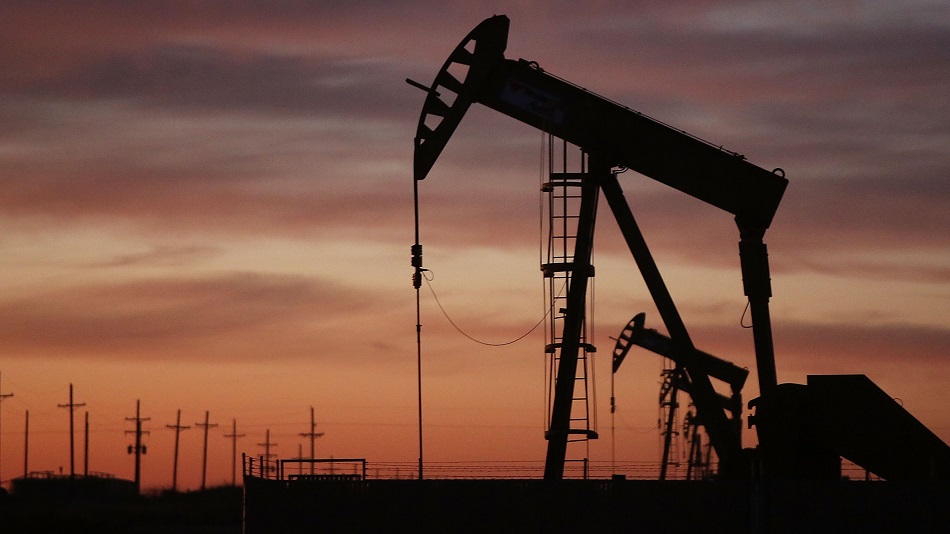
OPEC+ agreed to surge output again in June, as the group's leaders continue an accelerated revival of supply aimed at punishing over-producing members that has sent crude prices plunging.
Key nations led by Saudi Arabia and Russia agreed to add 411,000 barrels a day next month, according to a statement on OPEC's website following a video conference on Saturday. The hike mirrors a similar increase announced last month, when the group made the shock decision to bring back triple the planned volume for May.
Crude traders had already been bracing for a large increase after Saudi Arabia signaled in recent weeks that it was willing to accept a prolonged period of low oil prices. But it builds on a dramatic reversal in recent months from the cartel's longstanding position of defending oil prices, raising questions about the future of the alliance and spurring speculation about a price war.
While the statement cited “current healthy market fundamentals,” OPEC+ delegates have attributed the strategy shift to Saudi frustration with overproduction by members like Kazakhstan and Iraq, and have chosen to discipline them through the financial “sweating” of a price slump.
“OPEC+ has just thrown a bombshell to the oil market,” said Jorge Leon, an analyst at Rystad Energy A/S, who previously worked at the OPEC secretariat. “With this move Saudi Arabia is seeking to punish lack of compliance particularly from Kazakhstan but also ingratiate with President Trump's push for lower oil prices.”
Riyadh is seeking to strengthen ties with US President Donald Trump, who will visit the Middle East this month and has called on the Organization of the Petroleum Exporting Countries to lower fuel costs. Trump is also holding volatile talks on a nuclear pact with Riyadh's political foe and fellow OPEC member, Iran.
Oil prices traded near $61 a barrel in London on Friday, close to a four-year low, as the Saudi pivot added to fears over Trump's tariff onslaught against China — the world's biggest oil importer — and other major economies. Even before OPEC+ began to ramp up output, oil markets faced a 2025 surplus due to slowing Chinese demand and plentiful American supply.
The plunge in prices threatens oil firms including US shale producers, who have warned they'll be unable to obey Trump's call to “drill, baby, drill” toward a new era of American energy dominance. It also spells pain for members of OPEC+ including the Saudis themselves.
The kingdom has been already been forced to cut investment in projects at the heart of Crown Prince Mohammed bin Salman's plans for economic transformation, such as the futuristic city, Neom. The outlook for Mideast nations was downgraded last week by the International Monetary Fund, which estimates that Riyadh needs oil prices above $90 to cover government spending.
So far, the “sweating” appears to have had little success in reforming the alliance's rogue producers.
While Iraq is making some effort to respect its targets, the same can't be said for Kazakhstan, the group's most flagrant quota-cheat and the main focus of Riyadh's ire.
Kazakhstan has limited scope to rein in international oil firms like Chevron Corp. and Eni SpA as they work on projects to expand production capacity, and people familiar with the matter have previously said the country hasn't even asked them to curtail operations. Astana exceeded its OPEC+ target by a massive 422,000 barrels a day in March, the group's data show.
Chevron Chief Executive Officer Mike Wirth said on a conference call on Friday that he didn't discuss potential curtailments at the company's Tengiz development in Kazakhstan when he met with the country's leaders recently.
The shift by OPEC+ toward opening the taps marks a sharp departure for Saudi Energy Minister Prince Abdulaziz bin Salman, who has mostly urged the group to exercise caution through his five-year tenure. It's a strategy that more closely resembles the brief war he waged against OPEC+ co-leader Russia in 2020.
Moscow's attitude to the Saudi pivot remains unclear. President Vladimir Putin still needs oil revenues to fund his brutal three-year war against neighboring Ukraine, but his warmer relations with Trump may offer the prospect of relief from sanctions that have stymied the Russian oil trade.
The eight OPEC+ members involved in the curbs are in the process of restoring production halted since 2022. They will meet on June 1 to decide production levels for July, according to the statement.

-
India's Troika Of Good Luck | Joining The Dots

A weaker Trump, a cooling AI trade and resilient earnings have put Indian markets back in favour. Rising inflation could spoil the party.
-
Talking Points This Week: Leadership Shock At Nvidia, Earnings Strength, And The Fog Over Hormuz
The Anthropic IPO pricing and first trading day, Nvidia's upcoming earnings, and any fresh signals from Iran will set the tone for the following week.
-
Signature Play: The Classic Cocktail Is Dead. Or Is It?
Classic cocktails are disappearing from India's cocktail menus. But they're still being ordered, taught to bartenders and borrowed from. So, who's really having the last drink?
-
A New Samvat Wishlist: Inclusive Prosperity And Human Development
India has strengthened its economic foundations through infrastructure, digital access and enterprise. Its next growth chapter must deepen productivity, create better livelihoods and widen participation in prosperity.
-
Love, Sex Aur Dhokha: The Audacious Plot To Spy On Jensen Huang
A Taipei dinner, a Singapore chip buyer and a suspected Chinese asset: inside the alleged spy operation that got close to NVIDIA's Jensen Huang.
-
Ten Things I Learnt This Samvat
Patience can be a trap. Cheap stocks can stay cheap. Leverage can wipe you out. What did Samvat 2082 teach us? Niraj Shah writes on 10 lessons from the year gone by.
-
Talking Points This Week: Tech Nerves, FII Buying, And A Faraway Banking Shock
The global markets are not shining this Diwali. The exception in the large markets is, India.
-
Midterm Rally Lasted A Day. The Hard Reality Of A Divided US May Last Two Years | Opinion
Between a contested AI boom, a debt ceiling that arrives in 2027 and a president with every incentive to act alone, the next two years may prove more volatile than the first day's rally suggests.
-
Blue Wave Will Derail the AI Trade but Won't Dismantle the AI Era | Unhedged Position
The Democrats' sweep of the US Congress will see politics collide with economic forces both over the long and short term.
-
It's Time To Take The GST Council's Bet On Trust Global
Payment records can prove India's services exports, and clear, proportionate rules can bring foreign digital sellers into the tax net.









