Oil Traders Weigh Risks Of Iran-Israel Conflict In Tight Market
(Bloomberg) -- The escalating conflict between Iran and Israel will force oil traders to reevaluate the geopolitical risk premium they need to apply to a market where tight supply-demand fundamentals have already driven prices above $90 a barrel.
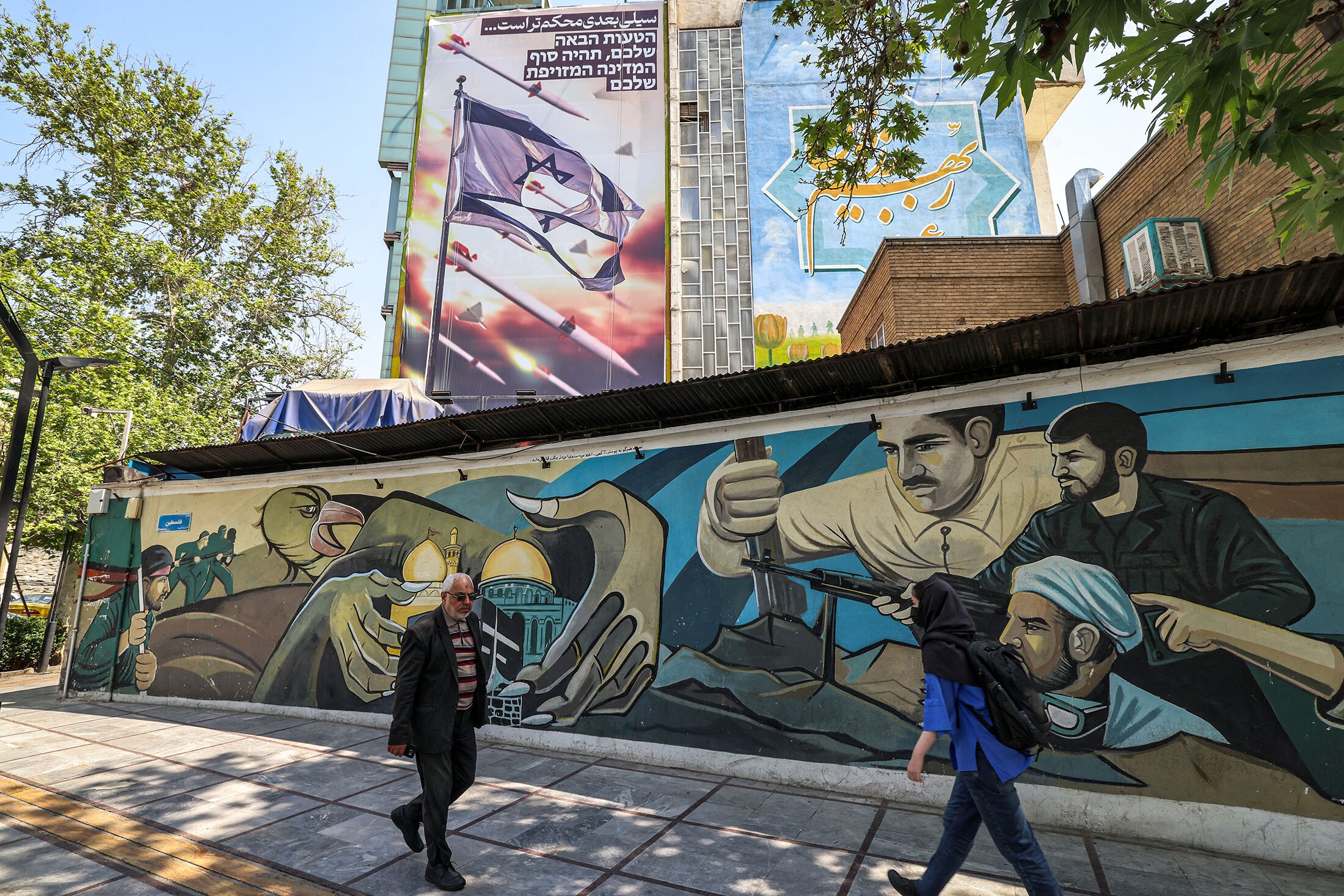
Iran's attack on Israel marks a distinct escalation in hostilities by bringing the two nations into direct conflict, rather than fighting through proxies. Iran says its attack in retaliation for the bombing of its embassy in Syria has “concluded” the phase of tit-for-tat aggression, but Israel has reserved the right to strike back.
“Oil prices might spike at the opening, as this is the first time Iran struck Israel from its territory,” said Giovanni Staunovo, an analyst at UBS Group AG. “How long any bounce will last will also depend on the Israeli response.”
Trading resumes at 6pm New York time on Sunday. The risk of a direct Iranian attack on Israel was already at least partly priced in — benchmark Brent crude, up 17% so far this year, passed $90 a barrel after the strike on Iran's embassy.
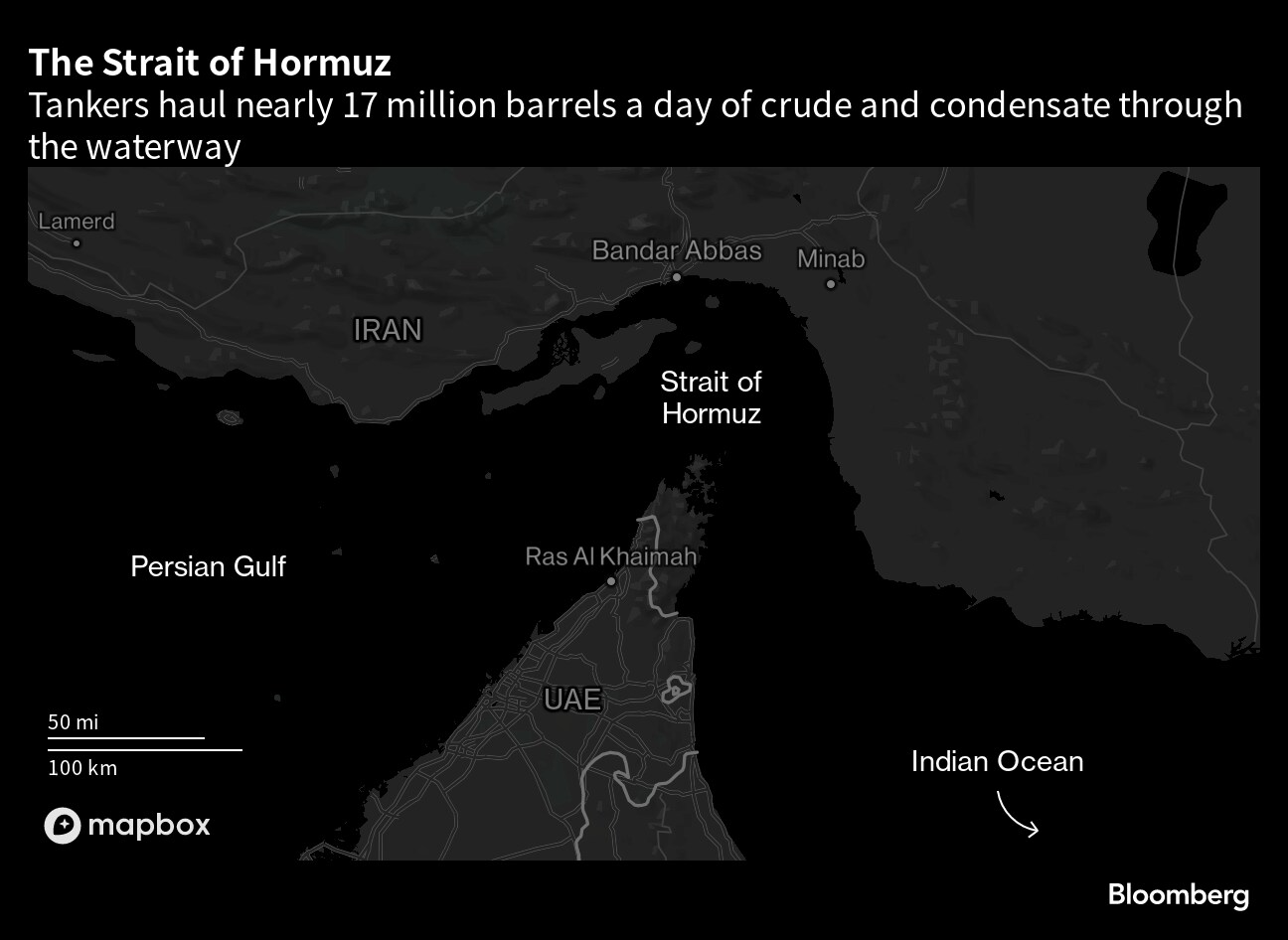
But after Iran's foreceful response, traders will heighten their focus on flows through the Strait of Hormuz, a key chokepoint for about a fifth of the world's oil. Tension over potential interruptions there could add to oil's risk premium with spikes possible in the event of any attacks on tankers.
On Saturday, Iranian forces seized a container ship near the strait they said was linked with Israel. One of Iran's allies in the region, Yemen's Houthis, have already caused havoc in the shipping industry by attacking vessels in the Red Sea. While that hasn't impacted oil supplies it has increased freight costs and boosted oil demand as the global fleet is foreced to make longer voyages.
Prices, which already include a risk premium of about $10 a barrel, are poised to push higher, according to Iman Nasseri, Middle East managing director at consultancy FGE. Prices could add another $2 to $5 a barrel due to concern of further Israeli reprisals or Iranian interference with shipping around the Persian Gulf, he said.
A volatile Middle East is adding a risk premium to a market where robust demand is mixing with a disciplined OPEC+ production policy to draw down global stockpiles and push prices higher.
Vitol Group, the world's largest oil trader, said last week that demand growth is likely to outpace most forecasts this year. Meanwhile, Seb Barrack, the head of commodities at hedge fund Citadel said he expects oil market to get “extremely tight” later this year.
“Energy markets will begin to integrate more seriously the threat of the conflict expanding and a spiral of miscalculations,” said Ayham Kamel, the head of Middle East and North Africa at risk consultant Eurasia Group.
More stories like this are available on bloomberg.com
©2024 Bloomberg L.P.

-
Talking Points This Week: Tech Nerves, FII Buying, And A Faraway Banking Shock

The global markets are not shining this Diwali. The exception in the large markets is, India.
-
Midterm Rally Lasted A Day. The Hard Reality Of A Divided US May Last Two Years | Opinion
Between a contested AI boom, a debt ceiling that arrives in 2027 and a president with every incentive to act alone, the next two years may prove more volatile than the first day's rally suggests.
-
Blue Wave Will Derail the AI Trade but Won't Dismantle the AI Era | Unhedged Position
The Democrats' sweep of the US Congress will see politics collide with economic forces both over the long and short term.
-
It's Time To Take The GST Council's Bet On Trust Global
Payment records can prove India's services exports, and clear, proportionate rules can bring foreign digital sellers into the tax net.
-
Opinion | India at 38: From Innovation Overperformer to Innovation Powerhouse
India now has 453 VC-backed deep science startups, 18 of them late-stage, after 117 percent growth since 2020. Laurus Labs, at USD 9.3 billion, is the most valuable deep science company in any middle-income economy outside China.
-
Navigating Energy Crossroads: S Jaishankar's Call For Diversified Supply Chains At G20 Ministerial Meeting
As geopolitical fault lines continue to test maritime trade routes and commodity flows, Jaishankar's message remains pertinent: true economic resilience requires open markets, protected transit lines, and a genuine commitment to multilateral cooperation rather than coercion.
-
Indians Are Travelling, But Not Every Journey Is A Holiday | The Week In Whys
Pilgrims, patients and working women are the real travellers, and the system hasn't quite caught up with them.
-
Getting To Work Costs Women More | The Reason Why
It is not just about women paying more than men. It is about women paying much more in cities than in villages.
-
AI Bias In Investing Cannot Be Eliminated, But It Can Be Governed
Framing is a particularly important example as identical financial information presented in terms of gains rather than losses can lead an LLM to reach a different assessment.