New Zealand Glaciers Shrinking At ‘Confronting’ Level
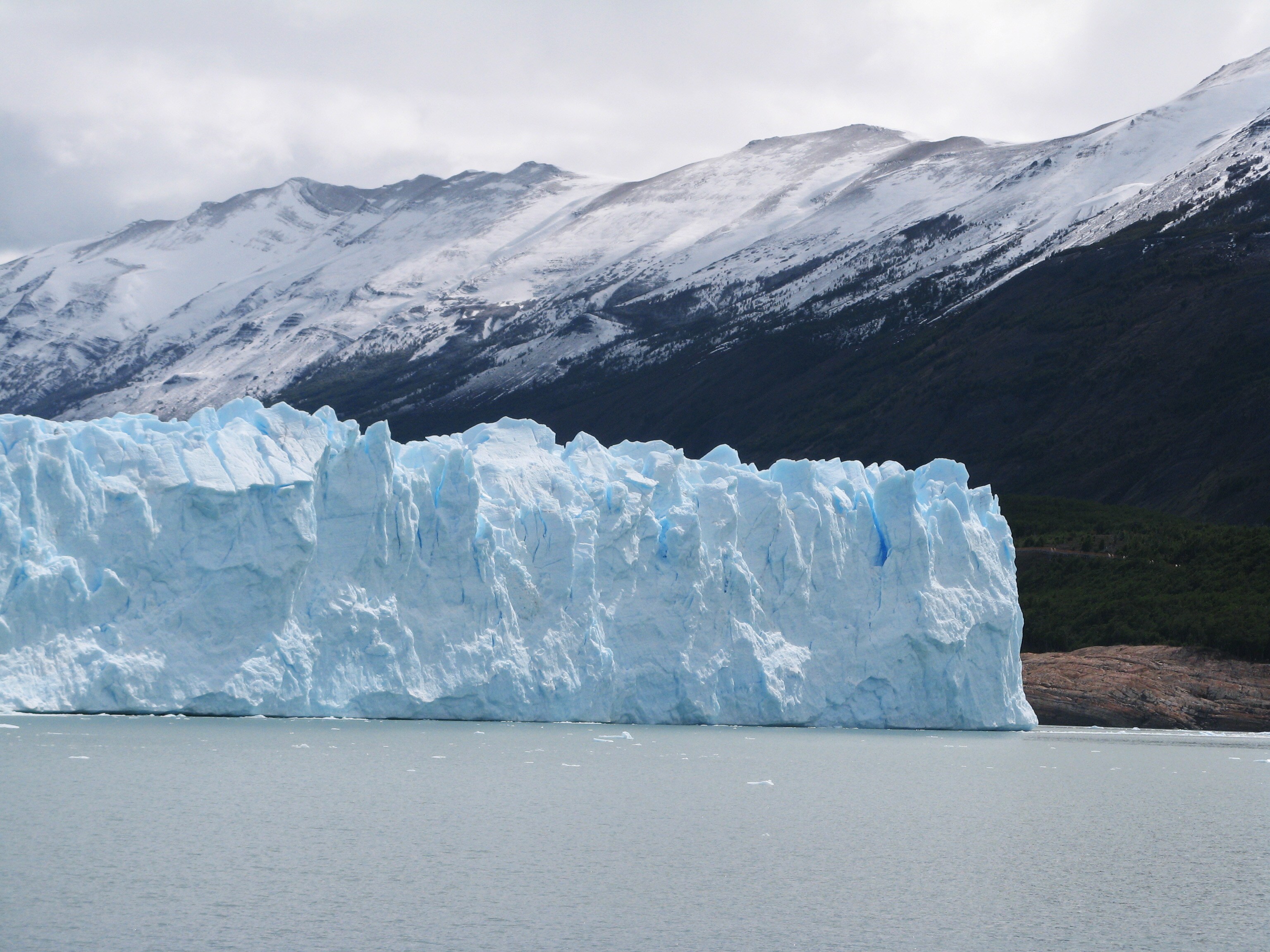
(Bloomberg) -- New Zealand's glaciers are retreating at a confronting pace, with scientists warning current trends will result in very little snow and ice covering the nation's Southern Alps.
The glaciers are continuing to shrink in the face of climate change and an unusually hot summer, according to an annual scientific survey by the National Institute of Water and Atmospheric Research. The aerial survey is the 46th conducted since 1977 with the assistance of Victoria University of Wellington and the Department of Conservation.
“Since the snow-line survey began, the global climate has warmed significantly,” said Andrew Lorrey, the principal NIWA scientist who coordinates the survey. “This year's observations do not suggest a reprieve or a reversal of the ongoing ice loss trend. If current trends continue, we will see further contraction of snow and ice to only the highest places.”
The snow-line survey requires hours of aerial photography of southern glaciers, which are used to build three-dimensional models that compare snow and ice from year to year.
Andrew Mackintosh, head of the School of Earth, Atmosphere and Environment at Melbourne's Monash University, was on the flight for the first time since 2016 and was startled by the extent of the changes.
“I was shocked by the state of the small low elevation glaciers, which have largely disappeared,” he said. “The scale of retreat is confronting, even to a glaciologist. It emphasizes the urgency of slowing climate change because the impacts are going to become increasingly costly and hard to avoid.”
Glaciers such as Fox and Franz Joseph that extend down from the alpine spine of the nation's South Island have lured tourists and explorers for decades. The economies of several small towns near the foot of these ice flows rely solely on visitor spending and have already been experiencing a downturn as access becomes more difficult and the melting ice adds to risks.
“Not only do we risk losing the glaciers and our intimate relationship with them completely, but it will also affect the livelihoods of people who rely on these natural wonders for tourism,” said Lorrey.
Scientists estimate more than 30% of the ice volume of the Southern Alps has been lost over the past four decades.
New Zealand has been experiencing rising temperatures in response to climate change, and is coming through its third consecutive La Nina summer which brought hot and humid weather in many regions and a marine heatwave. Reversing the warming of the earth's atmosphere is the only chance of reversing glacial retreat and even that will take centuries as they grow at a much slower pace than they contract, scientists say.
More stories like this are available on bloomberg.com
©2023 Bloomberg L.P.

-
The Economic Imperative: Analysing The Material Driving Force Behind India-Canada Strategic Reset

This economic complementarity is further reinforced by deep institutional investment ties and talent mobility, which form the bedrock of the bilateral framework.
-
Medicine Pricing: Where Must Profit Stop?
India must confront excessive margins, hidden incentives and regulatory gaps that threaten the integrity of medicine.
-
Why Amazon And Flipkart Are Struggling To Beat Meesho In India's Smaller Cities
With 274 million users and lowest-cost logistics, Meesho is defending its value commerce crown against giants like Amazon and Flipkart.
-
High US Salaries, No Green Card Certainty: The Financial Calculation Facing Indian H-1B Families
The suspension of PERM processing at eight technology employers does not cancel existing H-1B visas. What it does is force a question many Indian families have been avoiding: is the US salary worth tying your career and family plans to one employer?
-
Swiggy vs Eternal: Food Delivery's Two Rivals Are No Longer In The Same Race
Eternal is building a private AI assistant, dark.ai. Swiggy is still working out how to make Instamart pay, with an operating loss of Rs 895 crore in the July-September quarter while Blinkit stayed profitable.
-
Where You Live Shapes How You Get To Work | The Reason Why
Two-wheelers are the most popular way to get to work in India, accounting for nearly 43% of workplace commutes.
-
Unhedged Position: Can India See An Indonesia-Style Time Correction?
The Nifty is trading below levels it first clocked in 2024. Is there, then, as I have suggested in the headline, potential that the current time correction drags on painfully for the next three-five, even ten years?
-
Navigating Friction And Energy Realities: An Analysis Of Marco Rubio's October Visit To India
Occurring at a critical juncture marked by stalled trade negotiations and escalating geopolitical pressures over global energy supplies, the visit offers a profound window into modern US-India relations.
-
India Exports Capital. Why Not Export Trusteeship?
The big question, then, is whether India can build an institution that global borrowers, investors, banks, and lawyers can trust, even without an Indian connection.
-
France's Economy & Politics Are In Crisis | The Reason Why
Let's look at how the French economy and politics evolved under Nicolas Sarkozy, Franois Hollande and Emmanuel Macron.










