Lagarde Says Euro Gives Greater Sovereignty In A Turbulent World
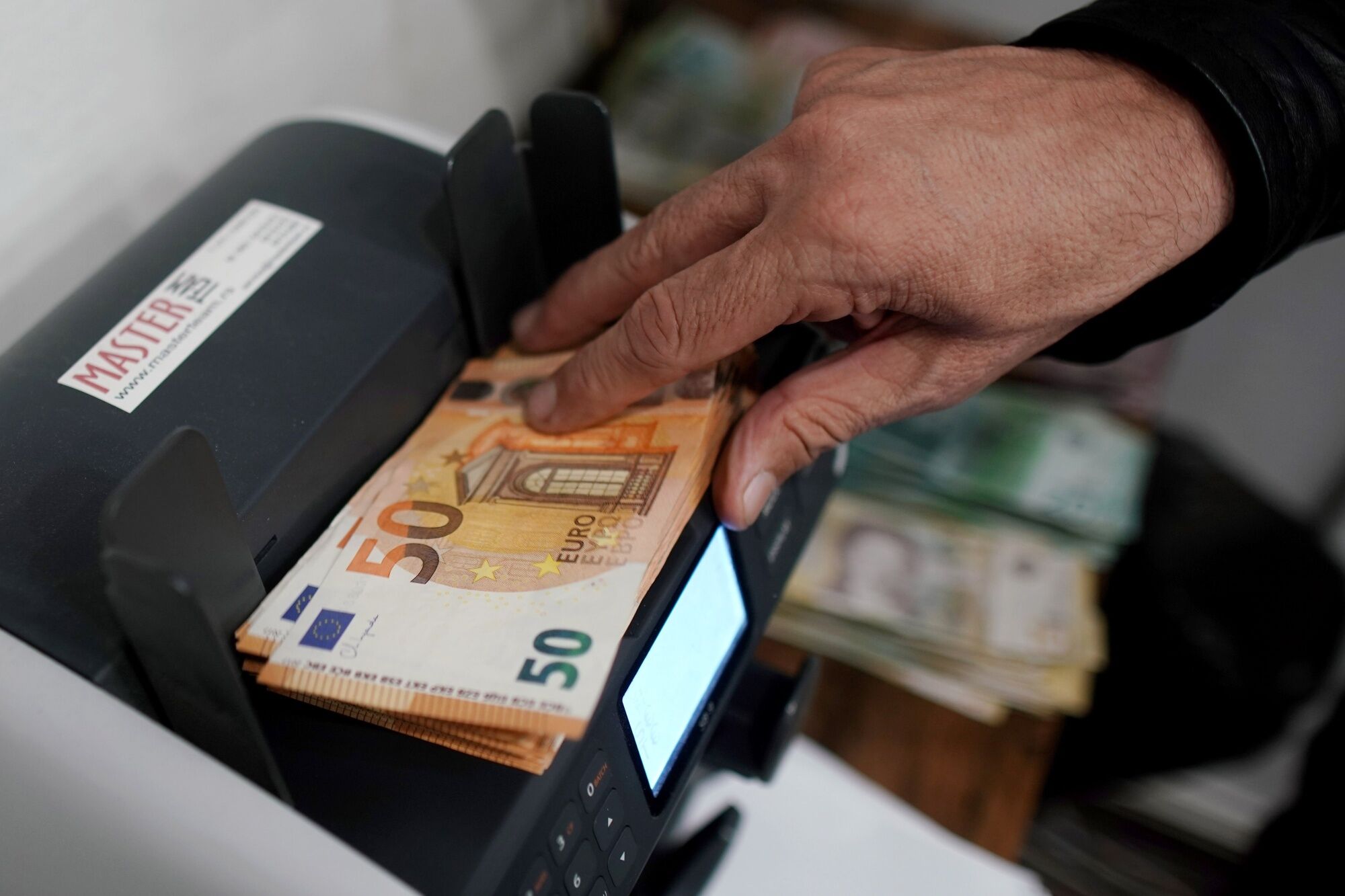
(Bloomberg) -- The euro helps Europe stay self-determined globally, European Central Bank President Christine Lagarde said in an op-ed marking the currency's upcoming 25th anniversary.
“Issuing the world's second most important currency has given us greater sovereignty in a turbulent world,” Lagarde wrote in the joint article with Ursula von der Leyen, Charles Michel, Roberta Metsola and Paschal Donohoe — presidents of the European Commission, Council, Parliament and Eurogroup, respectively.
“We face rising geopolitical tensions, not least Russia's illegal war against Ukraine, which calls for bold collective decisions,” the officials said. “We confront an accelerating climate crisis that we can only truly solve together: carbon emissions do not stop at borders. And we face unprecedented challenges to our competitiveness from energy and industrial policies in other parts of the world.”
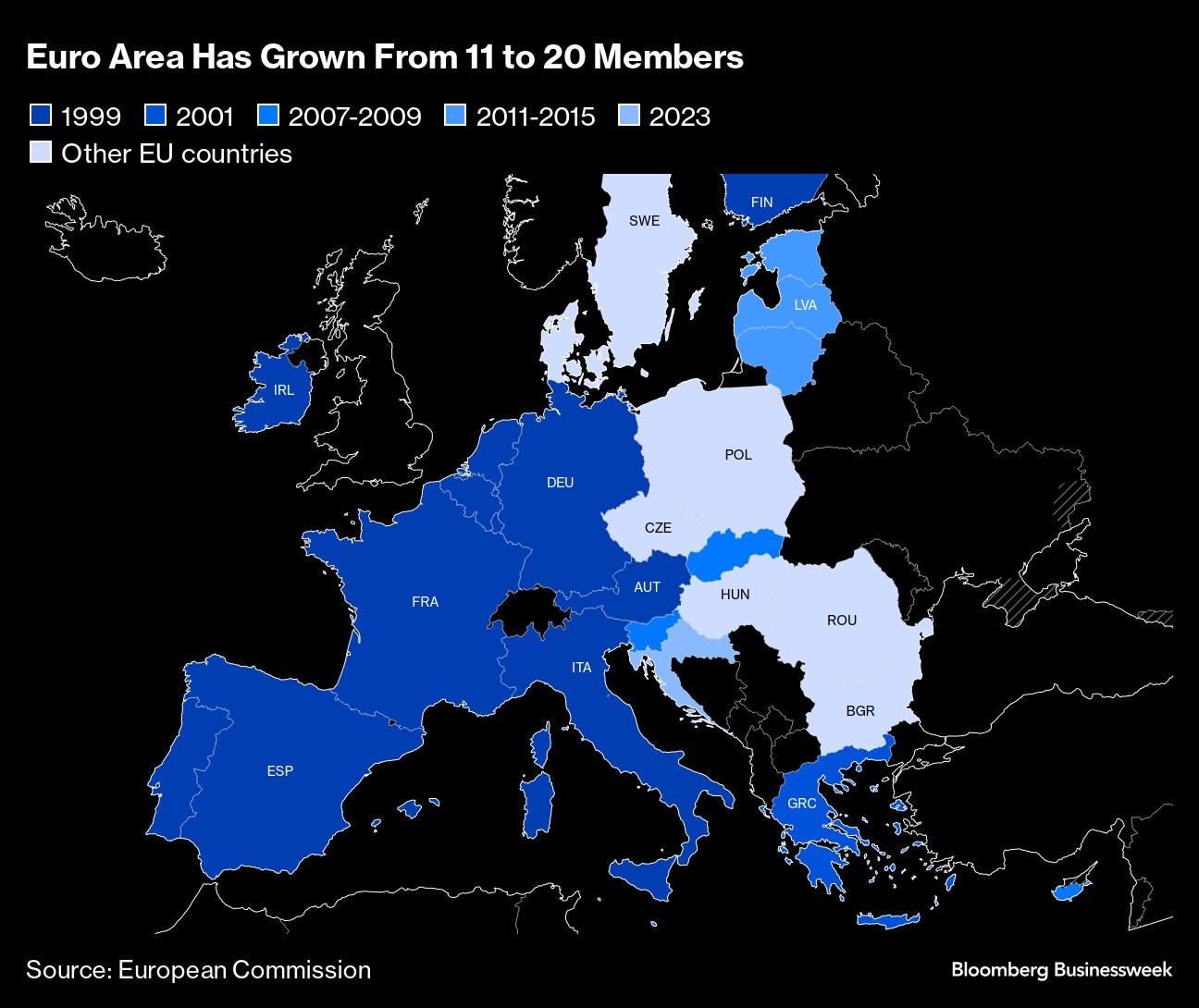
Launched by 11 countries at the start of 1999, the euro stayed an electronic currency for its first three years. The euro area now includes 20 countries, making it the payment method for some 350 million people.
“It has made life simpler for European citizens, who can easily compare prices, trade and travel,” the leaders said. “It has given us stability, protecting growth and jobs amid a series of crises.”
The euro reaching the quarter-century mark on Jan. 1 shows the endurance of a monetary arrangement whose disintegration has often been predicted.
As the Greek crisis raged in 2015, for example, former Fed Chairman Alan Greenspan reckoned that “it's just a matter of time before everyone recognizes that parting is the best strategy.” Greece didn't leave, and instead, the region welcomed its newest member, Croatia, at the start of 2023.
Two other euro hopefuls haven't been so fortunate. Romania's bid for membership has been hampered by internal squabbling, evidenced by the highest turnover of governments in the EU. And Bulgaria, the bloc's poorest country, this year had to abandon its plan to join in 2024.
While adopting the euro is theoretically a condition of signing up to the European Union, the Czech Republic, Hungary, Poland and Sweden don't seem interested. Denmark, which clinched an opt-out on acceding before the dawn of the currency, isn't budging either.
“With several countries currently in the process of joining the EU, we must retain our capacity to act decisively,” Lagarde and the other EU leaders wrote. “Enlarging and deepening are not mutually exclusive. But enlargement may require changes to how the EU is organized.”
More stories like this are available on bloomberg.com
©2023 Bloomberg L.P.

-
Getting To Work Costs Women More | The Reason Why

It is not just about women paying more than men. It is about women paying much more in cities than in villages.
-
AI Bias In Investing Cannot Be Eliminated, But It Can Be Governed
Framing is a particularly important example as identical financial information presented in terms of gains rather than losses can lead an LLM to reach a different assessment.
-
Joining The Dots | Dark Skies, Steady Diya: Why Hope Holds This Diwali
With war, a weak rupee and foreign outflows weighing on sentiment, policymakers at the NDTV World Summit and market veterans at NDTV Profit Ignite: Diwali Edition offered the same advice: stay invested and filter out the noise.
-
The Curious Case of Equitas Small Finance Bank And A CEO Who Quit For Stock
PN Vasudevan believes persistent investor concerns over a perceived conflict of interest had become a governance overhang on Equitas Small Finance Bank's stock, even as the lender improved profitability and asset quality.
-
Talking Points This Week: AI Cash Burn, A Tiger Comeback And An India That Still Finds Its Own Path
India is not immune to higher oil or tighter global liquidity, yet its earnings base is broader, its domestic policy levers are still available.
-
Foreign Investors Own Half Of HDFC Bank and ICICI Bank. An LTCG Cut Could Matter Most Here
Foreign portfolio investors have US$115 billion parked in HDFC Bank, ICICI Bank. If the government cuts long-term capital gains tax, Jefferies says returning foreign money could land here first.
-
'Never Seen This Level Of Negativity': Sandeep Tandon Says The Next Rally May Be Closer Than You Think
Veteran investor Sandeep Tandon says foreign selling is easing, large-caps are due a comeback and mid-caps are crowded, while he turns positive on gold, power and pharma this Diwali.
-
Indians Stay With Family, Not In Hotels | The Reason Why
India still lacks enough clean, reliable and affordable hotels for budget-conscious travellers.
-
The Economic Imperative: Analysing The Material Driving Force Behind India-Canada Strategic Reset
This economic complementarity is further reinforced by deep institutional investment ties and talent mobility, which form the bedrock of the bilateral framework.
-
Medicine Pricing: Where Must Profit Stop?
India must confront excessive margins, hidden incentives and regulatory gaps that threaten the integrity of medicine.










