Jobs The Biggest Risk To India Growth Story, Says Paul Krugman
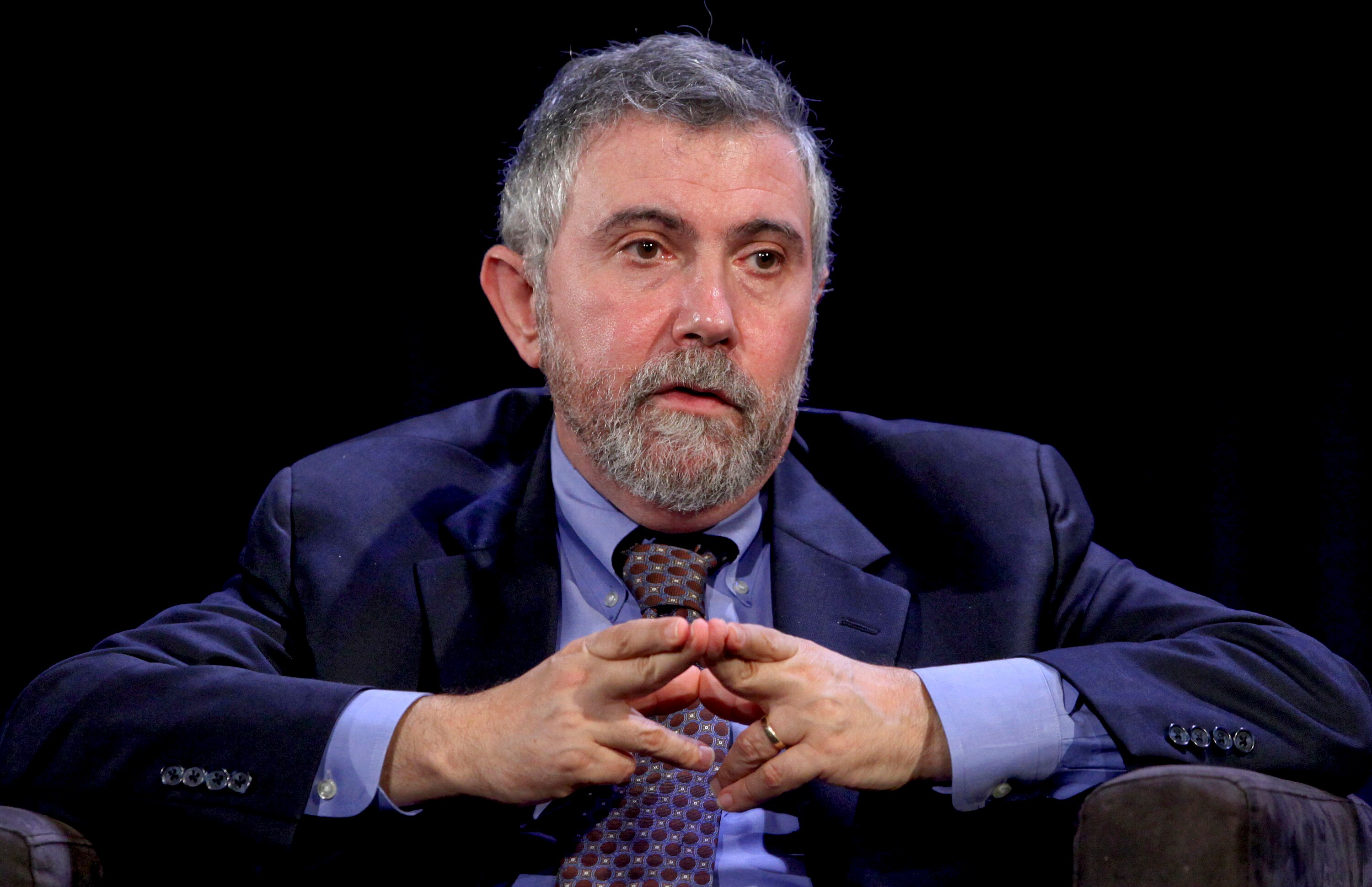
Nobel Laureate and economist Paul Krugman said lack of employment poses the biggest risk to India even as he remains optimistic about the growth story that will be driven by the world's fastest-growing economy's young population.
When the world thinks about rising powers, it will be shifting focus increasingly towards India, Krugman, a professor of economics at the Graduate Center of the City University of New York, said at a News18 event.
There are two schools of thought on the state of employment in India. One is the fact that more and more people are coming into formal employment which could be a trigger for growth, he said. The other is the fact that the mass unemployment in India is a potential trigger for an economic catastrophe.
(Also Read: Modi Renews Labor Reforms Push as Jobs Regain Focus Before Polls)
His optimism about India stems from three reasons: its demographic dividend, opportunity to catch up on technology with the advanced peers and India's standing in global trade.
“India's rising working age population will lead to a proportional rise in its productivity,” Krugman said. “India's cultural reservoir of creativity, entrepreneurship are on a level that could not even be imagined in the past and widespread fluency in English will help the country maximise its advantages in services exports, even more than at present.”
Half of India's population of more than 120 crore is under the age of 25. India's working age population is projected to cross China's in few years, Krugman said.
Krugman argues that it will be impossible for India to grow rapidly if it was already at the forefront of technological frontier. He finds India being quite far behind on cutting-edge technology, which provides the opportunity to catch up.
You cannot expect to have a kind of growth that emerging Asia has had if you are already at the forefront of technological frontier, which is why Japan can no longer be a country of rapid growth. India's ability to bring a lot of people to the modern world gives it a potential to grow. This is a source of forward motion.Paul Krugman, American Economist
India also has a distinctive position in the global trade. It's unique and unprecedented to the world in its role as a service exporter, Krugman said. “The distinctive, unique nature of India's role in global trade gives it an opportunity to lead the next stage of globalisation. Globalisation of services trade is expected to increase in future and India has a first-mover advantage in this domain.”
While countries like the Philippines are catching up, India still is the most appealing prospect, he said. Rise in information technology and the fact that it has a potential base of number of people simply coming from Silicon Valley to do business gives it the perfect pedestal to ride the next wave of globalisation.
The only concern is that he is not sure whether services exports would provide employment on a scale that India needs.
And then it's middle-income trap that India is susceptible to running into. It's an economic state where an entity attains a certain income due to its inherent advantages but remains trapped there, as it reaches its threshold and loses its competitiveness with rivals.
(Also Read: Signs of Revival in Rural India Predict Recovery for Economy)
The other risk that Krugman flagged is institutional failure. Efficiency and effectiveness of a government need to grow in consonance with the country's growth, he said. “Failures which are often manageable when a country is at a lower income level become bigger obstacles as a country grow.”
Technological disruptions and global factors will also remain worries. For him, the biggest among them is artificial intelligence that can adversely impact jobs. And the rise of populism could also hurt an emerging economy like India.
Yet, he said, India remains a unique story with its future looking brighter than the past.

-
Signature Play: The Classic Cocktail Is Dead. Or Is It?

Classic cocktails are disappearing from India's cocktail menus. But they're still being ordered, taught to bartenders and borrowed from. So, who's really having the last drink?
-
A New Samvat Wishlist: Inclusive Prosperity And Human Development
India has strengthened its economic foundations through infrastructure, digital access and enterprise. Its next growth chapter must deepen productivity, create better livelihoods and widen participation in prosperity.
-
Love, Sex Aur Dhokha: The Audacious Plot To Spy On Jensen Huang
A Taipei dinner, a Singapore chip buyer and a suspected Chinese asset: inside the alleged spy operation that got close to NVIDIA's Jensen Huang.
-
Ten Things I Learnt This Samvat
Patience can be a trap. Cheap stocks can stay cheap. Leverage can wipe you out. What did Samvat 2082 teach us? Niraj Shah writes on 10 lessons from the year gone by.
-
Talking Points This Week: Tech Nerves, FII Buying, And A Faraway Banking Shock
The global markets are not shining this Diwali. The exception in the large markets is, India.
-
Midterm Rally Lasted A Day. The Hard Reality Of A Divided US May Last Two Years | Opinion
Between a contested AI boom, a debt ceiling that arrives in 2027 and a president with every incentive to act alone, the next two years may prove more volatile than the first day's rally suggests.
-
Blue Wave Will Derail the AI Trade but Won't Dismantle the AI Era | Unhedged Position
The Democrats' sweep of the US Congress will see politics collide with economic forces both over the long and short term.
-
It's Time To Take The GST Council's Bet On Trust Global
Payment records can prove India's services exports, and clear, proportionate rules can bring foreign digital sellers into the tax net.
-
Opinion | India at 38: From Innovation Overperformer to Innovation Powerhouse
India now has 453 VC-backed deep science startups, 18 of them late-stage, after 117 percent growth since 2020. Laurus Labs, at USD 9.3 billion, is the most valuable deep science company in any middle-income economy outside China.









