JD Vance Says US Working To Stop India-Pakistan Tensions From Escalating
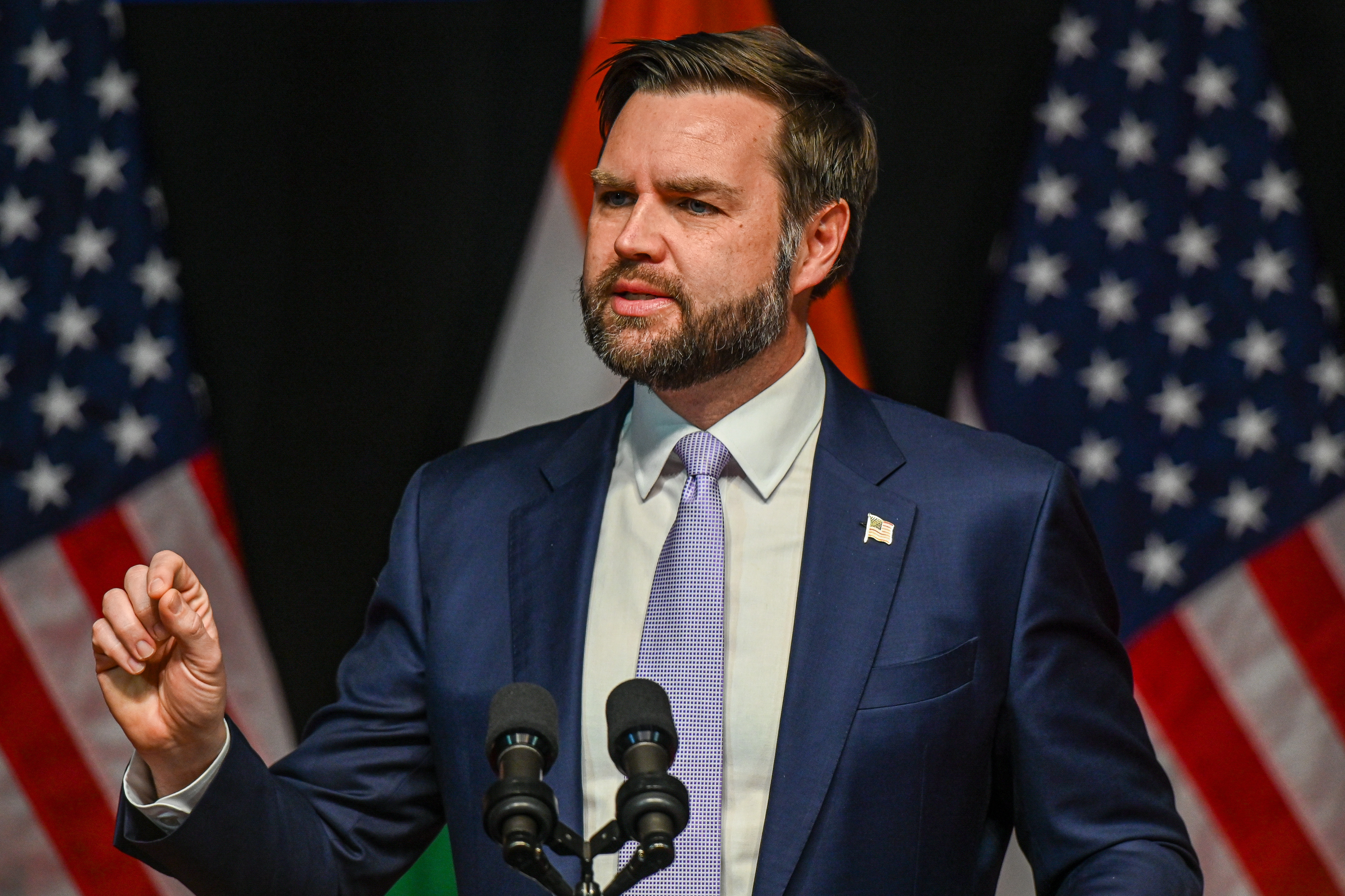
Vice President JD Vance said the US was working to ensure tensions between India and Pakistan don't escalate into a broader regional conflict in the wake of an attack last week that killed dozens of people in Indian-controlled Kashmir.
“I'm worried about any time you see a hot spot breaking out, especially between two nuclear powers,” Vance said in a podcast interview with Bret Baeir of Fox News.
Relations between the nuclear-armed nations have rapidly deteriorated after the attack, which India and the US have called an act of terrorism. Indian Prime Minister Narendra Modi's government has accused Pakistan of involvement and vowed to punish those responsible. Pakistan has denied any links to the assault and warned of retaliation if India takes military action.
Vance said the US has been in close contact with officials in India and Pakistan.
“Our hope here is that India responds to this terrorist attack in a way that doesn't lead to a broader regional conflict,” Vance said in the interview, adding the US wants to see Pakistan cooperate as much as possible with India “to make sure that the terrorists sometimes operating in their territory are hunted down and dealt with.”
Secretary of State Marco Rubio spoke with top officials from India and Pakistan on Wednesday, asking them to “maintain peace and security in South Asia.” He told Shehbaz Sharif, Pakistan's prime minister, of the need to condemn the attack and re-establish direct communications, according to a statement from the State Department.
US Defense Secretary Pete Hegseth also spoke to Defense Minister Rajnath Singh on Thursday, saying he supported India's right to defend itself, New Delhi said in a statement.
Indian officials are pushing for the perpetrators to be punished. After his call with Rubio, Foreign Minister Subrahmanyam Jaishankar reiterated that the attackers, as well as their “backers and planners” should be brought to justice. Singh singled out Pakistan for blame, saying the country “has been exposed as a rogue state, fueling global terrorism, and destabilizing the region.”
Sharif's adviser on political affairs, Rana Sana Ullah Khan, said Thursday Pakistan is ready to join a probe by Indian officials into the attack. “A war between two nuclear powers doesn't end in victory or defeat for either side but on destruction of both nations,” he said in an interview with Geo News.
Indian media previously reported that Modi has given his armed forces free rein to decide on the timing, targets and mode of response. Pakistani authorities pledged a “befitting and decisive” response to any military strike.
So far, both sides have restrained themselves to largely diplomatic measures and relatively minor ceasefire violations along their disputed border.
Challenging Times
Markets in both countries showed mixed performance on Friday. In India, the rupee erased intraday gains to close lower, while stocks ended the day flat. Pakistan's stocks rose 2.5%, the biggest gain in four months, and the currency remained stable.
The tensions arise at a time when both countries are grappling with economic challenges. India's growth has been losing momentum for several months, while Pakistan is only beginning to emerge from a deep economic crisis and remains heavily reliant on support from the International Monetary Fund.
The Indian government has requested that the IMF review its loan to Pakistan, an official told reporters in New Delhi on Friday, speaking on condition of anonymity. The official did not provide a reason for the request.
In response to the comment, Khurram Schehzad, advisor to Pakistan's finance minister, said that the country's IMF program is “well on track.”
“Interest has been very high for investing and supporting Pakistan as the economy turns around,” he said.

-
India's Troika Of Good Luck | Joining The Dots

A weaker Trump, a cooling AI trade and resilient earnings have put Indian markets back in favour. Rising inflation could spoil the party.
-
Talking Points This Week: Leadership Shock At Nvidia, Earnings Strength, And The Fog Over Hormuz
The Anthropic IPO pricing and first trading day, Nvidia's upcoming earnings, and any fresh signals from Iran will set the tone for the following week.
-
Signature Play: The Classic Cocktail Is Dead. Or Is It?
Classic cocktails are disappearing from India's cocktail menus. But they're still being ordered, taught to bartenders and borrowed from. So, who's really having the last drink?
-
A New Samvat Wishlist: Inclusive Prosperity And Human Development
India has strengthened its economic foundations through infrastructure, digital access and enterprise. Its next growth chapter must deepen productivity, create better livelihoods and widen participation in prosperity.
-
Love, Sex Aur Dhokha: The Audacious Plot To Spy On Jensen Huang
A Taipei dinner, a Singapore chip buyer and a suspected Chinese asset: inside the alleged spy operation that got close to NVIDIA's Jensen Huang.
-
Ten Things I Learnt This Samvat
Patience can be a trap. Cheap stocks can stay cheap. Leverage can wipe you out. What did Samvat 2082 teach us? Niraj Shah writes on 10 lessons from the year gone by.
-
Talking Points This Week: Tech Nerves, FII Buying, And A Faraway Banking Shock
The global markets are not shining this Diwali. The exception in the large markets is, India.
-
Midterm Rally Lasted A Day. The Hard Reality Of A Divided US May Last Two Years | Opinion
Between a contested AI boom, a debt ceiling that arrives in 2027 and a president with every incentive to act alone, the next two years may prove more volatile than the first day's rally suggests.
-
Blue Wave Will Derail the AI Trade but Won't Dismantle the AI Era | Unhedged Position
The Democrats' sweep of the US Congress will see politics collide with economic forces both over the long and short term.
-
It's Time To Take The GST Council's Bet On Trust Global
Payment records can prove India's services exports, and clear, proportionate rules can bring foreign digital sellers into the tax net.









