The Highs and Lows of Jacinda Ardern’s Time as Prime Minister
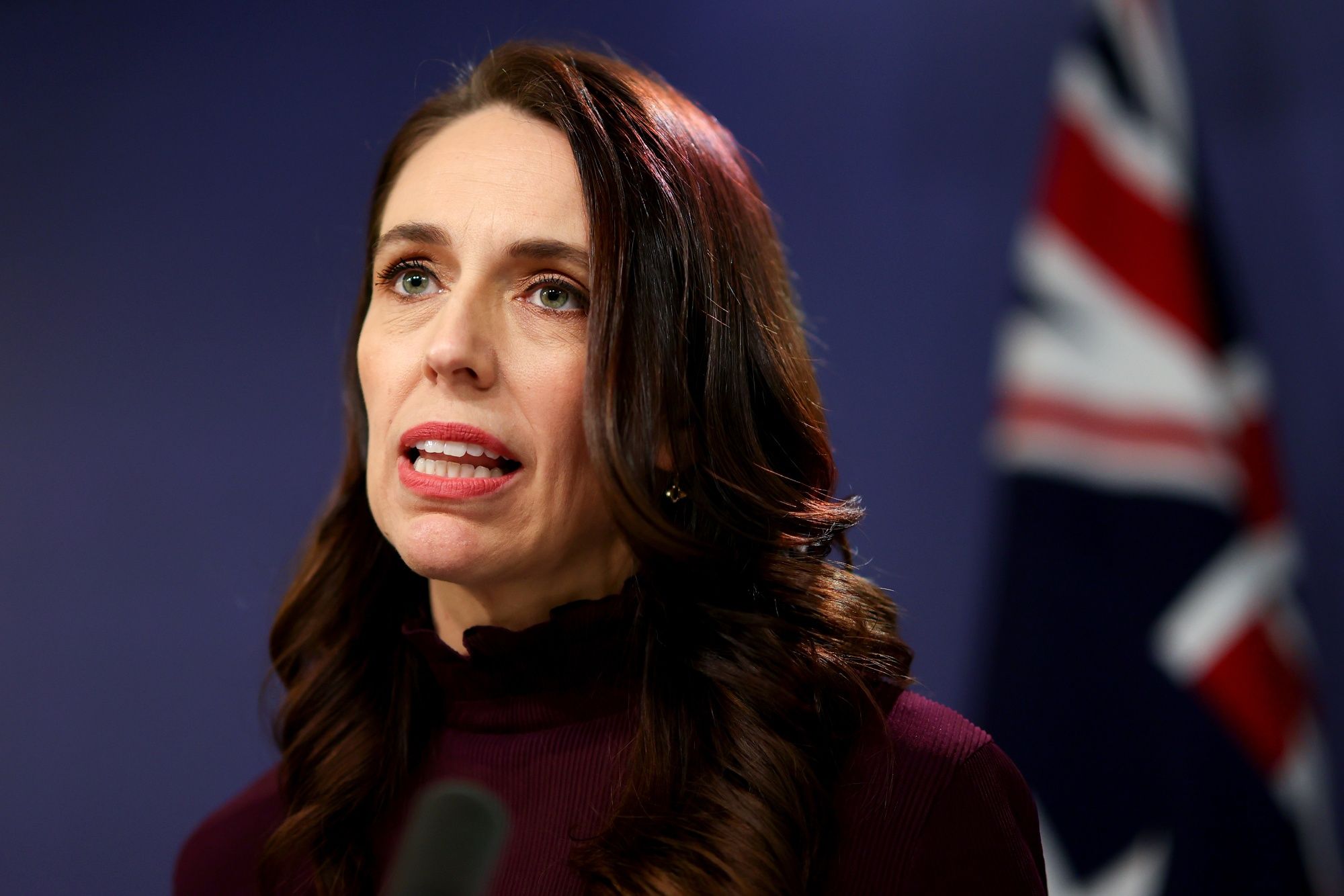
(Bloomberg) -- New Zealand's Jacinda Ardern has announced her shock resignation just months before she was expected to run for a third term in office, saying she no longer has the energy or inspiration to continue as the country's Prime Minister.
Since becoming the world's youngest female head of government in October 2017, at age 37, Ardern has become one of the most-admired politicians on the planet. But after being lauded for guiding New Zealand through the Covid-19 crisis, support for her Labour Party waned and her approval rating slipped. The effort required to win a third term was not something she was prepared to undertake.
Here are some of Ardern's biggest achievements and some of the low points of her years in office:
The Highs...
Response to Christchurch terrorist attack
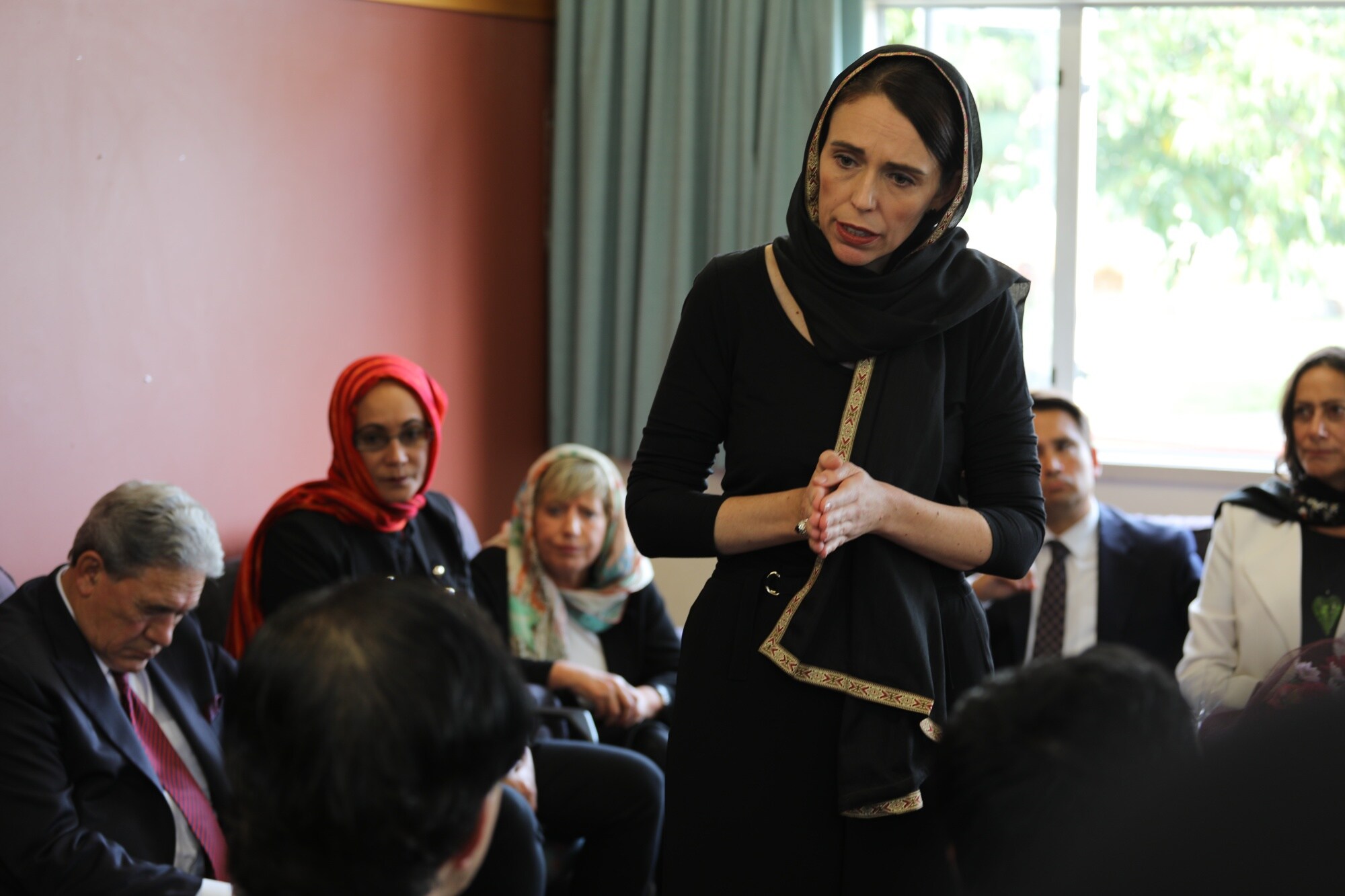
On March 15, 2019, a lone gunman attacked Muslim worshipers at two mosques in the South Island city of Christchurch, killing 51 people, while live-streaming the attack to social media. Within days of the attack, Ardern had moved to ban military-style semi-automatic weapons and assault rifles and established a nationwide buyback of the weapons. Her swift actions were routinely compared to the US, where a string of gun massacres have failed to spur political action.
Ardern also joined forces with French President Emmanuel Macron, to urge big tech companies to curb the promotion of violent extremism online — a pledge that become known as the Christchurch Call. The Prime Minister won international praise for the empathy she showed in the aftermath of the attacks.
Keeping New Zealand safe as Covid-19 erupted
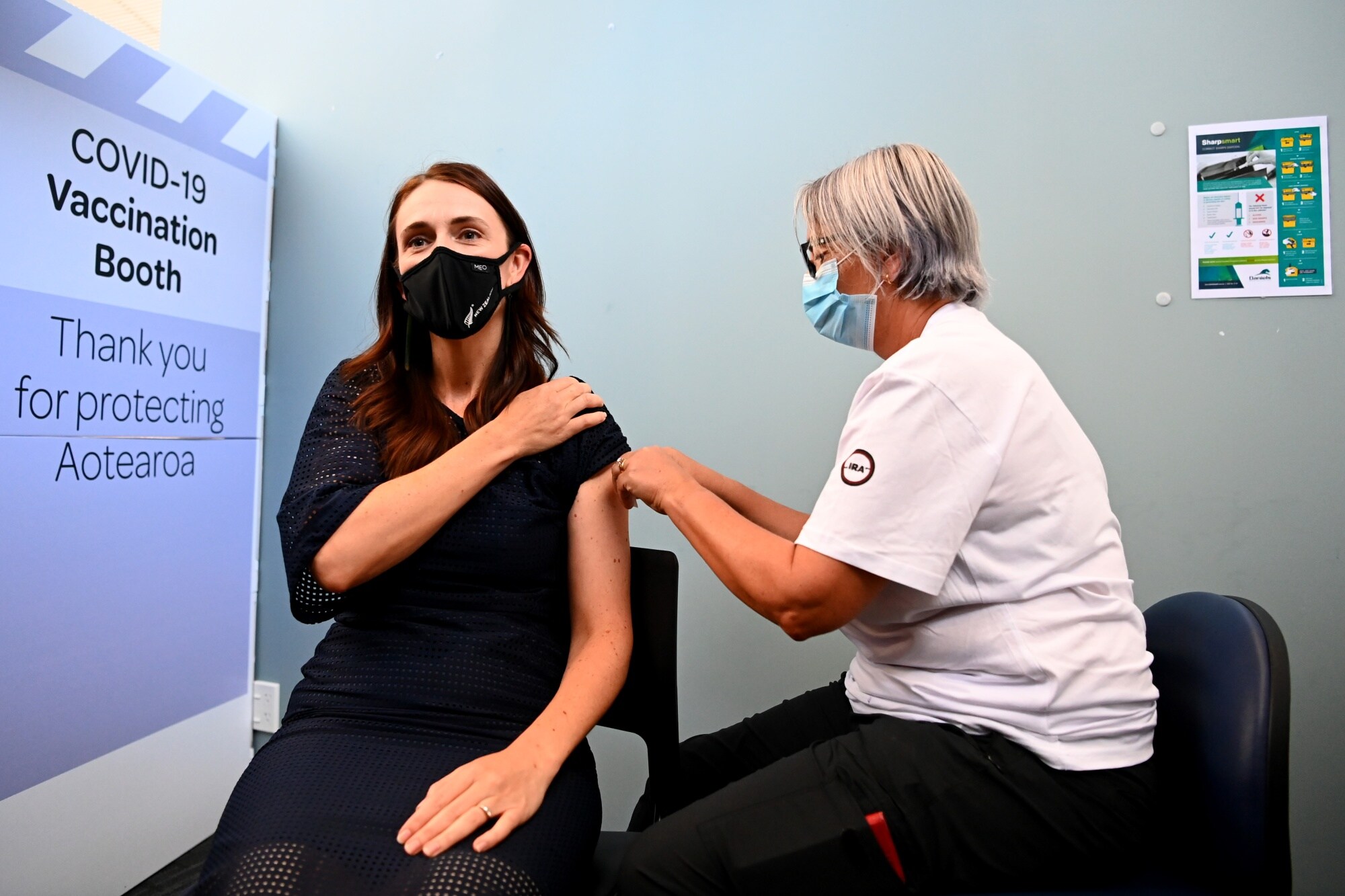
At the onset of the pandemic, Ardern moved swiftly to effectively close New Zealand's borders and impose one of the strictest lockdowns in the world, essentially shutting down the economy even as the country had notched barely 200 cases.
It was a decision that paid dividends — the country recorded few virus deaths in the first two years of the pandemic and New Zealand was, for a time, one of the few places in the world with no community transmission of the virus. It also paid political dividends for Ardern, helping her to win a majority in the 2020 general election — the first outright majority in parliament since the introduction of proportional representation in 1996.
Gaining status on the world stage
Ardern won fame outside New Zealand in 2017 as the world's then-youngest female head of government and as the first world leader to bring her baby to the UN General Assembly. She was feted abroad as a compassionate leader and star of the political left. As a small country at the bottom of the world, she brought New Zealand the recognition it craved. Still, her fame overseas didn't always win her praise at home.
“I'd say she's New Zealand's most popular prime minister ever overseas,” said political analyst Bryce Edwards in 2019.

...and the lows
It's Covid again
After her initial success in keeping the virus at bay, Ardern and her government at times floundered. There were missteps in handling isolation facilities, where people returning to New Zealand were quarantined, and with the rollout of vaccines. One of the most aggrieved groups were the tens of thousands of Kiwis stuck overseas who were unable to return to New Zealand due to the lack of isolation places.
The government's handling of Covid vaccine mandates lead to societal divisions that New Zealanders were largely unfamiliar with. The most extreme manifestation was a three-week anti-vaccine protest on parliament grounds in Wellington last year, which ended in violent clashes with police and fires on the front lawn.
Not managing to close the inequality gap
Ardern came to power in 2017 promising to address growing inequalities and close the gap between rich and poor. But in her first term her governing coalition ditched plans for a capital gains tax over concerns it was too politically risky, while a program to build tens of thousands of affordable homes fell well short of goals.
Her second term as prime minister was largely dominated by Covid, leaving less space for domestic reforms, while the cost of living crisis spiralled globally.
Lawlessness and disorder
A wave of ram raids around the country — where people use stolen cars to bash their way into locked shops late at night to steal goods — alarmed the public and added weight to the main opposition National Party's ongoing criticism that Ardern's government is soft on crime.
The fatal stabbing of a corner-store owner during a raid in November last year added to the furore, while the National Party's pledge to impose stiffer penalties proved popular with the electorate.
--With assistance from .
More stories like this are available on bloomberg.com
©2023 Bloomberg L.P.

-
One Battle After Another: India's Corporate Dynasties Battle For Control

2026 could go down as Corporate India's year of succession wars, governance battles and family fault lines.
-
Rs 50-Lakh Gold In Bank Locker, Rs 3 Lakh Of Protection: The Gap Most Families Don't Know About
The RBI ties a bank's liability to the annual locker rent and families who want to insure their jewellery face a separate question about how to prove what was inside.
-
The More Food Turns Into Fuel, The Harder It Is To Read Agricultural Markets | The Reason Why
A policy designed to reduce dependence on imported fuel can create new pressures elsewhere in the food economy.
-
Your iPhone Costs 12 Grams Of Gold, A Car About 100. What Does Your Life Weigh?
Measured in rupees, almost everything looks more expensive than it did a generation ago. Measured in grams of gold, a lot of it has become cheaper.
-
Gold Is Rs 22,000 Cheaper Than A Month Ago. Should You Buy Amid The Wedding Season?
Gold's potential slide to $3,500 could save around Rs 4,700 per 10 grams, but a soft inflation print could just as easily push prices back up. One way to split the risk is to buy in parts, some now and the rest after the Fed's Dec. 9 decision.
-
AI Agents Are Gaining Power. Who Governs Them?
Artificial intelligence agents promise to transform productivity by moving machines from assisting decisions to executing them. But as organisations delegate greater authority to these AI-agents, they must first establish who controls that authority and who remains accountable when things go wrong.
-
Why Swapping Your Old Gold Can Trigger A Rs 5 Lakh Tax Bill, And How You Can Avoid It Legally
Swapping old gold for new is taxed as a sale and a fresh purchase. Getting your own gold remade can cut most of that bill, though it has its own costs.
-
The AI Trade is Done. The Real Opportunity for Investors Starts in 2027 | Unhedged Position
As pureplay AI stocks plunge and circular, capex-led financing unwinds, 2027 is set to be a year of reckoning for AI companies. Yet the bust clears the way for a better opportunity for investors in 2027 -- shifting the spotlight from AI builders to the companies using AI.
-
Leadership As Mission: Why The Age Of AI Demands More Human Leadership
Debjani Ghosh examines how AI is changing leadership, arguing that its success must be measured by its impact on people and the accountability of those guiding its use.
-
We May Need Another Tukaram Mundhe To Fight Air Pollution | The Reason Why
Developers may install basic measures such as sprinklers and green nets, resume work, and continue violating rules when this equipment stops working.









