Israel-Iran Trade Fresh Blows As US Bombers Fly Over Pacific
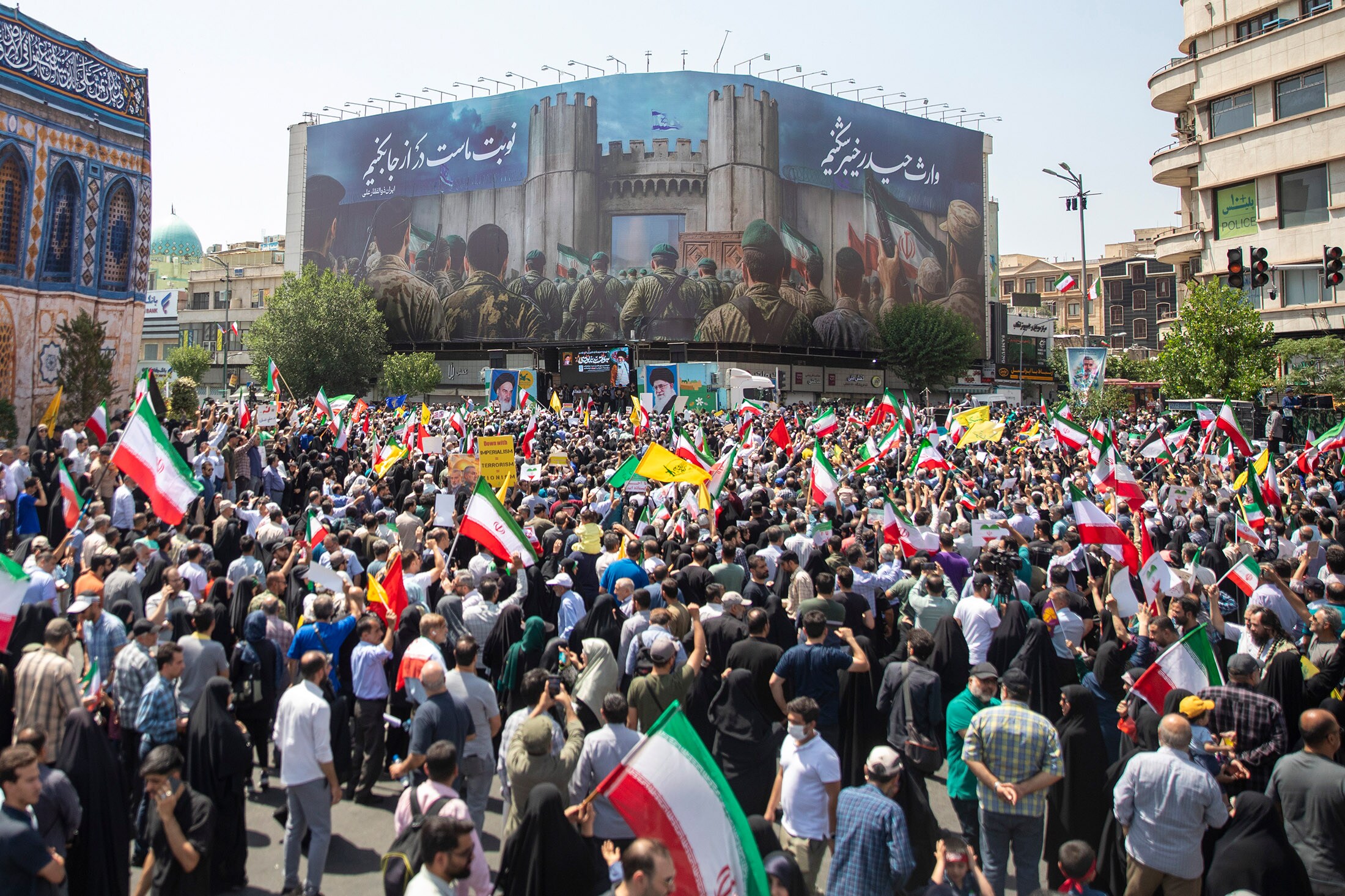
Israel and Iran launched new strikes in a second week of hostilities, with the Isfahan nuclear facility targeted again, as Donald Trump deepened uncertainty about his readiness to join the conflict.
The US military dispatched several B-2 bombers and refueling tankers over the Pacific Ocean from a base in Missouri, according to several media reports. The move is a possible sign that the planes are being positioned for a possible strike, although the Wall Street Journal cited officials saying that no order has been given to ready an operation.
Israel warned the US it didn't want to wait the “two weeks” the president laid down as his timetable for deciding whether to join the strikes, Reuters reported, citing two anonymous people. That warning was delivered in a “tense” phone call with Trump officials on Thursday.
On Saturday, Israeli jets attacked Iran's Isfahan site for the second time, targeting a centrifuge production section, the Israel Defense Forces said. There were no leaks of hazardous material, Iran's semi-official Fars News reported. Israeli jets later on Saturday targeted military infrastructure in southwest Iran. The IDF earlier said it had identified missiles launched from Iran and was working to intercept them.
Israeli Defense Minister Israel Katz said Saeed Izadi, who led part of the Islamic Revolutionary Guard Corps' overseas arm linked to financing and arming Hamas in Gaza, was killed in the Iranian city of Qom. Behnam Shahriyari, another IRGC member linked to supplying Lebanon's Hezbollah and other militias, was also killed, along with a third commander, according to an Israeli military official.
Separately, Yemen's Houthi militants said they will target US vessels and battleships in the Red Sea if the US gets involved to support the Israeli attack on Iran, according to a statement published on a Houthi spokesperson's official Telegram account.
After stepping up threats against Iran earlier this week, Trump appeared to dial back tensions Thursday, saying that he would hold off for now to give diplomacy a chance. On Friday, he hinted at shortening the deadline, but also suggested he “might” support a ceasefire while talks were underway. Iran has demanded the attacks stop before it enters negotiations, something Israel has refused to do.
“I'm giving them a period of time,” Trump told reporters in New Jersey, after meeting earlier Friday with his national security team. “I would say two weeks would be the maximum.”
Foreign ministers from the UK, France and Germany met their Iranian counterpart in Geneva on Friday. They made little apparent headway.
“Iran doesn't want to speak to Europe. They want to speak to us,” Trump said. “Europe is not going to be able to help them.”
French President Emmanuel Macron, in a post on X Saturday, said he spoke with his Iranian counterpart Masoud Pezeshkian and that he would accelerate the negotiations. Macron also reiterated his position on Iran's nuclear program, saying that Iran needed “to provide full guarantees that its intentions are peaceful.”
Iranian Foreign Minister Abbas Araghchi said Iran is ready to hold another meeting with the Europeans in the near future, the state-run IRNA news agency reported. No follow-up meeting has yet been scheduled and there was no agreement on where or in what format such talks would take place, according to a European official.
The proposals made by the Europeans were unrealistic, Reuters cited an unidentified Iranian official as saying.
Oil prices fell on Friday following a Reuters report that Iran is ready to discuss limitations on uranium enrichment, though they're still up significantly from before the conflict. A jittery week ended with losses in stocks as investors weighed geopolitical and trade developments. The dollar had its best week since February.
The Iranian judiciary's Mizan news agency reported on Saturday that 430 people were killed and more than 3,500 wounded since the war began June 13. In Israel, at least 24 people have been killed and hundreds injured, the Associated Press reported.
Araghchi was in Istanbul on Saturday to attend a summit of the Organisation of Islamic Cooperation, according to state-run TV. He is also scheduled to meet Turkish President Recep Tayyip Erdoğan on the sidelines.
“Israel is dragging our region into instability with the backing of western powers,” Erdoğan told the summit.
Before a two-month-old negotiation process with the US was suspended in the wake of Israel's attack, Tehran had signaled its willingness to accept some restrictions on its enrichment activities. Israel and the US have said the Islamic Republic shouldn't be allowed to enrich uranium at all.
“We don't know how we can trust them anymore,” Araghchi said of possible talks with the US, in an interview with NBC on Friday. “What they did was in fact a betrayal to diplomacy.”
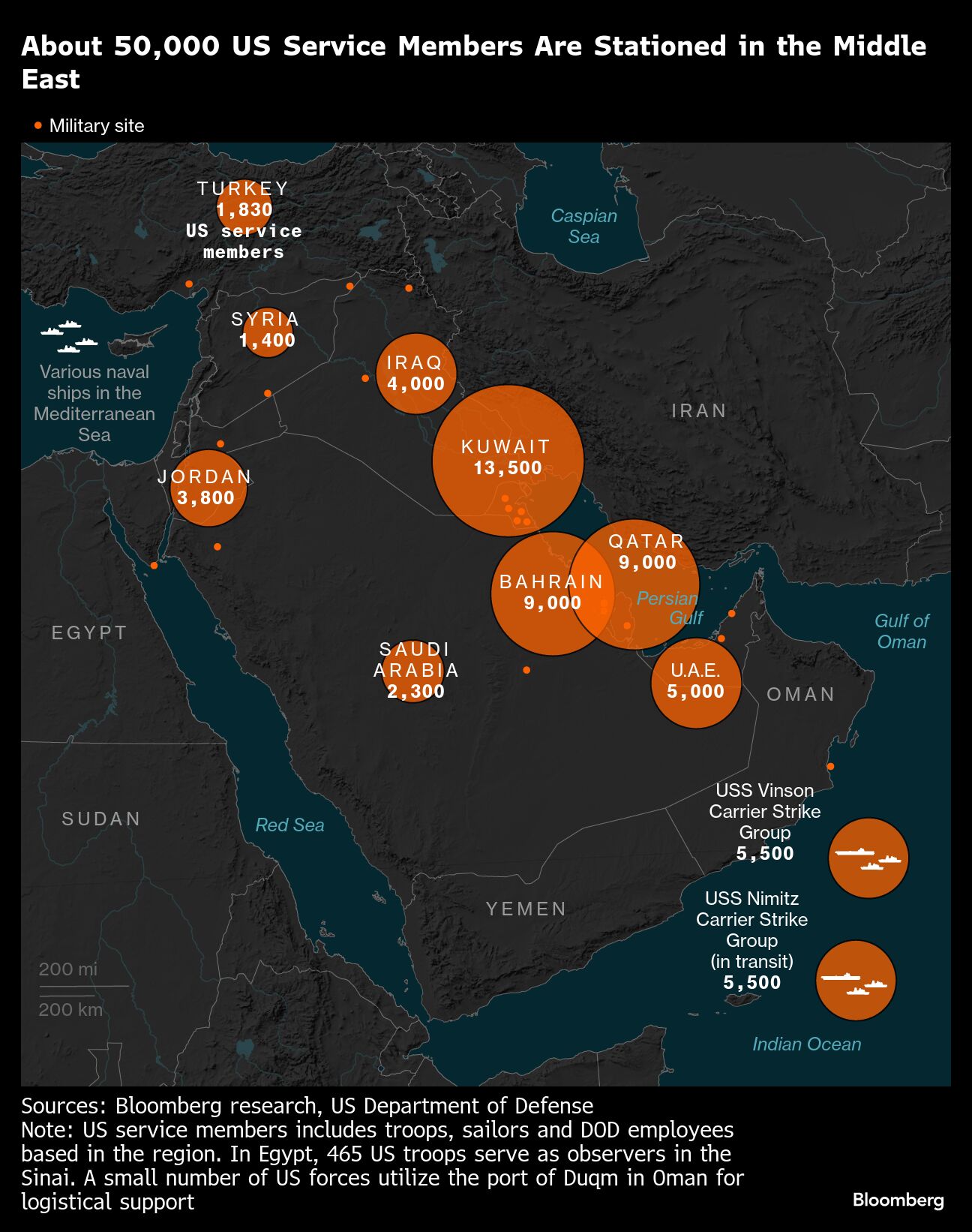
Most experts say a successful strike against the subterranean nuclear enrichment site at Fordow would require American participation, since Israel doesn't have the kind of munitions — like the most powerful bunker-buster bombs — with the ability to penetrate that deep underground. But there's a debate on the issue, with some claiming Israel has the necessary tools.
Trump repeated his stated belief that Iran was a matter of weeks from getting a nuclear bomb when Israel attacked, and again dismissed US intelligence findings that Iran's leadership wasn't seeking to do so. He is due to attend a national security meeting again on Saturday.
While some argue that US participation would shorten the war by eliminating Fordow quickly, others say it would escalate the conflict and risk spreading it to the wider region, including neighboring Gulf states.
“This war flies in the face of the regional order the Gulf countries want to build, which is focused on regional prosperity,” Anwar Gargash, a senior diplomatic adviser to the United Arab Emirates' president, told reporters in a briefing Friday. “There are many issues in the region, if we choose to tackle everything with a hammer nothing will be left unbroken.”

-
Gold Is Rs 22,000 Cheaper Than A Month Ago. Should You Buy Amid The Wedding Season?

Gold's potential slide to $3,500 could save around Rs 4,700 per 10 grams, but a soft inflation print could just as easily push prices back up. One way to split the risk is to buy in parts, some now and the rest after the Fed's Dec. 9 decision.
-
AI Agents Are Gaining Power. Who Governs Them?
Artificial intelligence agents promise to transform productivity by moving machines from assisting decisions to executing them. But as organisations delegate greater authority to these AI-agents, they must first establish who controls that authority and who remains accountable when things go wrong.
-
Why Swapping Your Old Gold Can Trigger A Rs 5 Lakh Tax Bill, And How You Can Avoid It Legally
Swapping old gold for new is taxed as a sale and a fresh purchase. Getting your own gold remade can cut most of that bill, though it has its own costs.
-
The AI Trade is Done. The Real Opportunity for Investors Starts in 2027 | Unhedged Position
As pureplay AI stocks plunge and circular, capex-led financing unwinds, 2027 is set to be a year of reckoning for AI companies. Yet the bust clears the way for a better opportunity for investors in 2027 -- shifting the spotlight from AI builders to the companies using AI.
-
Leadership As Mission: Why The Age Of AI Demands More Human Leadership
Debjani Ghosh examines how AI is changing leadership, arguing that its success must be measured by its impact on people and the accountability of those guiding its use.
-
We May Need Another Tukaram Mundhe To Fight Air Pollution | The Reason Why
Developers may install basic measures such as sprinklers and green nets, resume work, and continue violating rules when this equipment stops working.
-
Extracting Value From Battery Scrap Could Be Challenging For India | The Reason Why
A discarded lithium-ion battery still contains valuable materials such as lithium, nickel and cobalt. These can be recovered and reused. When such batteries are crushed and shredded, they produce a dark powder called black mass.
-
One El Nino, India Can Handle. Two Could Break The Granary
India's grain stocks can absorb one bad year, but a second El Nino could drain the buffer in two to three years, economists say.
-
India's Troika Of Good Luck | Joining The Dots
As Jensen Huang's exit drags Nvidia down, a cooling AI trade and resilient earnings have revived investor interest in India. A likely RBI rate hike looms.
-
Talking Points This Week: Leadership Shock At Nvidia, Earnings Strength, And The Fog Over Hormuz
The Anthropic IPO pricing and first trading day, Nvidia's upcoming earnings, and any fresh signals from Iran will set the tone for the following week.









