Iron Ore Extends Gains Above $140 on Optimism For China Demand
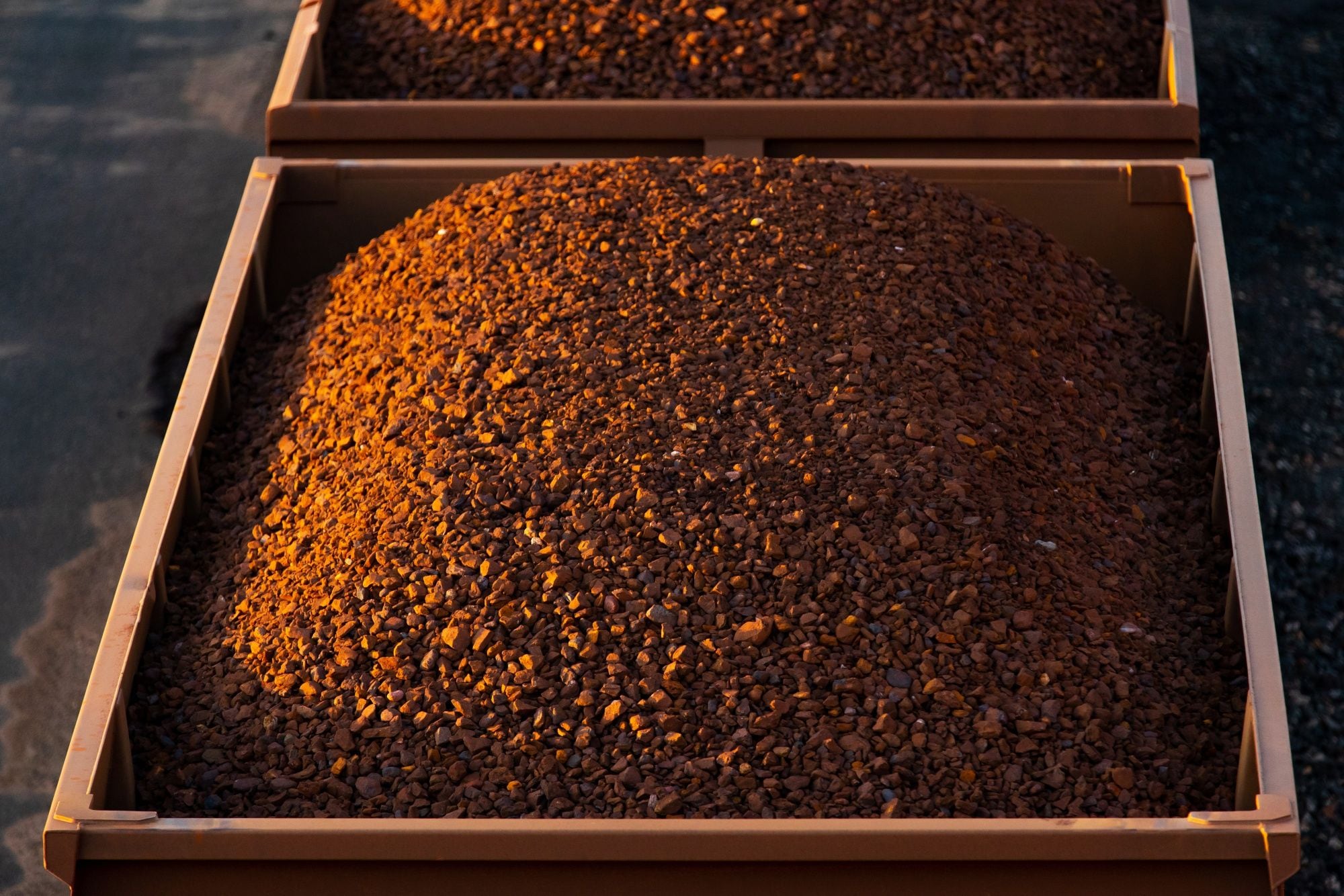
(Bloomberg) -- Iron ore topped up its biggest weekly gain in 13 weeks as traders tracked China's moves to rein in Covid-19 restrictions that have weighed on steel demand this quarter.
Futures in Singapore crept higher on Monday morning after surging more than 7% last week on optimism over China's plans to get the economy moving again after sweeping lockdowns.
Beijing authorities said the capital will resume public transport in most districts, restart dine-in restaurant services and allow workers to return to offices. This comes after the city achieved zero new community cases in most of its 16 districts.
The steel-making ingredient shot through $140 a ton last week after spending most of May fluctuating around $130 a ton. Investors are tracking what's next for demand after a terrible period for construction and manufacturing activity. There's expectations for more infrastructure spending.
In a positive sign, iron ore inventories at major ports plunged to their lowest levels for the year, reaching an eight-month low, according to Steelhome data. And steelmaking margins are expanding again after shrinking to a 15-month low in May.
Still, investors will likely await firmer signs that China's cities won't move back into lockdowns again given the country's Covid Zero policy. And any production curbs on steel will also be monitored after an earlier pledge for output to drop again this year, Baocheng Futures wrote in a note.
Iron ore in Singapore rose 0.7% to $143.75 a ton as of 11:48 a.m. local time, to head for its highest close in a month. Futures in Dalian climbed 1.1% after a trading pause for a public holiday on Friday. Steel rebar and hot-rolled coil futures advanced in Shanghai.
More stories like this are available on bloomberg.com
©2022 Bloomberg L.P.

-
Talking Points This Week: Leadership Shock At Nvidia, Earnings Strength, And The Fog Over Hormuz

The Anthropic IPO pricing and first trading day, Nvidia's upcoming earnings, and any fresh signals from Iran will set the tone for the following week.
-
Signature Play: The Classic Cocktail Is Dead. Or Is It?
Classic cocktails are disappearing from India's cocktail menus. But they're still being ordered, taught to bartenders and borrowed from. So, who's really having the last drink?
-
A New Samvat Wishlist: Inclusive Prosperity And Human Development
India has strengthened its economic foundations through infrastructure, digital access and enterprise. Its next growth chapter must deepen productivity, create better livelihoods and widen participation in prosperity.
-
Love, Sex Aur Dhokha: The Audacious Plot To Spy On Jensen Huang
A Taipei dinner, a Singapore chip buyer and a suspected Chinese asset: inside the alleged spy operation that got close to NVIDIA's Jensen Huang.
-
Ten Things I Learnt This Samvat
Patience can be a trap. Cheap stocks can stay cheap. Leverage can wipe you out. What did Samvat 2082 teach us? Niraj Shah writes on 10 lessons from the year gone by.
-
Talking Points This Week: Tech Nerves, FII Buying, And A Faraway Banking Shock
The global markets are not shining this Diwali. The exception in the large markets is, India.
-
Midterm Rally Lasted A Day. The Hard Reality Of A Divided US May Last Two Years | Opinion
Between a contested AI boom, a debt ceiling that arrives in 2027 and a president with every incentive to act alone, the next two years may prove more volatile than the first day's rally suggests.
-
Blue Wave Will Derail the AI Trade but Won't Dismantle the AI Era | Unhedged Position
The Democrats' sweep of the US Congress will see politics collide with economic forces both over the long and short term.
-
It's Time To Take The GST Council's Bet On Trust Global
Payment records can prove India's services exports, and clear, proportionate rules can bring foreign digital sellers into the tax net.
-
Opinion | India at 38: From Innovation Overperformer to Innovation Powerhouse
India now has 453 VC-backed deep science startups, 18 of them late-stage, after 117 percent growth since 2020. Laurus Labs, at USD 9.3 billion, is the most valuable deep science company in any middle-income economy outside China.









