India Remains World’s Top Recipient of Remittances From Its Diaspora
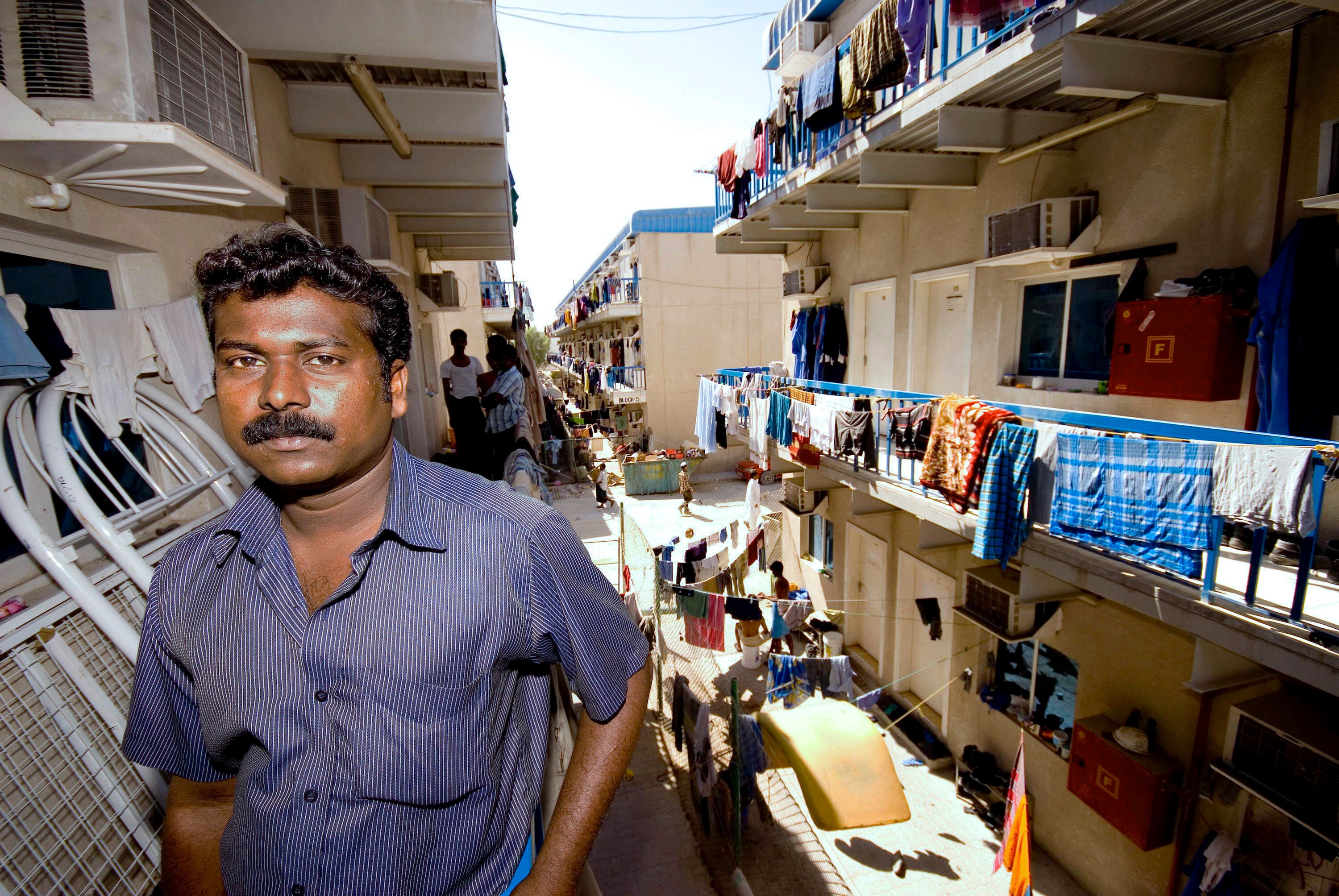
India continued to be the world's top recipient of remittance from its diaspora, gathering $69 billion in 2017–nearly 1.5 times India's defence budget for 2018-19–an increase of 9.5 percent from the previous year, according to World Bank data.
Remittances to India from its diaspora increased 22 times to $69 billion in 2017 from $3 billion in 1991, but as a proportion to gross domestic product fell 1.2 percentage points to 2.8 percent in six years to 2017. Such remittances increased nine times worldwide to $613 billion during the same period.
The countries that followed India in receiving remittances were China, The Philippines, Mexico, Nigeria and Egypt, according to the latest migration report by the World Bank.
Nearly $6.5 trillion will be sent in remittances to developing countries between 2015 and 2030, involving over a billion senders and receivers, according to this June 2014 note by the IFAD, an international financial institution and United Nations agency.
Close to half of the remittances will go to rural areas where poverty and hunger are the highest, it said.
“Remittances are vital for millions of families, helping them to address their development goals,” Gilbert F. Houngbo, president of International Fund for Agricultural Development, said in the release.
The increase in remittances is likely to continue in 2018 due to strong economic conditions in advanced economies (particularly the United States) and an increase in oil prices that should have a positive impact on the Gulf Cooperation Council region (now known as Cooperation Council for the Arab States of the Gulf), including United Arab Emirates, Saudi Arabia, Bahrain, Kuwait, Oman and Qatar, the report said.
Kerala topped the share of remittances (40 percent) with the number of workers sending money to the state increasing in five years to 2014, IndiaSpend reported on April 20, 2016, followed by Punjab (12.7 percent), Tamil Nadu (12.4 percent), Andhra Pradesh (7.7 percent) and Uttar Pradesh (5.4 percent) respectively.
Remittances Steady But Contribution To GDP Declines
Remittances contributed to 2.8 percent of India's GDP in 2017 based on projected figures, the World Bank report noted, the same as the previous year.
Over six years to 2017, the contribution to GDP fell 1.2 percentage points to 2.8 percent while the remittances averaged nearly $68 billion.
In 1990-91, the contribution to GDP was 0.7 percent, which increased to 3.08 percent in 2005-06, Migration Policy Institute, a global think tank, reported on Feb. 1, 2007.
In 2011-12, remittances accounted for 4 percent of GDP, the highest level over the last six years, Hindustan Times reported on Oct. 8, 2012.
Migration Of Workers From India Fell 39% Between 2011-17
While remittances are expected to rise during 2018, workers migrating for work legally after completing ‘emigration check required'–required for travellers/workers who have not completed grade X in India–procedures in 2016 fell nearly 34 percent to 520,938 compared to 2015, according to the Migration 2018 report of the ILO.
The drop was due to the decline in crude oil prices and the resulting economic slowdown in the GCC countries.
Overall, in seven years to 2017, the number of workers migrating fell 39 percent to 391,024.
There are more than 30 million Indians overseas with over 9 million concentrated in the six Gulf nations.
Indian workers going to Saudi Arabia declined 47 percent to 162,000 in 2016 from 2015, and workers going to the UAE fell 29 percent in the same period, the 2017 World Bank report showed. Inflows from the GCC made up 52 percent of remittances received in 2016, the International Labour Organization report said.
In 2017, remittances sent by over 200 million migrants helped sustain 800 million people across the world, the IFAD said.
(Paliath is an analyst with IndiaSpend.)
This article has been published in arrangement with IndiaSpend.

-
Indians Are Travelling, But Not Every Journey Is A Holiday | The Week In Whys

Pilgrims, patients and working women are the real travellers, and the system hasn't quite caught up with them.
-
Getting To Work Costs Women More | The Reason Why
It is not just about women paying more than men. It is about women paying much more in cities than in villages.
-
AI Bias In Investing Cannot Be Eliminated, But It Can Be Governed
Framing is a particularly important example as identical financial information presented in terms of gains rather than losses can lead an LLM to reach a different assessment.
-
Joining The Dots | Dark Skies, Steady Diya: Why Hope Holds This Diwali
With war, a weak rupee and foreign outflows weighing on sentiment, policymakers at the NDTV World Summit and market veterans at NDTV Profit Ignite: Diwali Edition offered the same advice: stay invested and filter out the noise.
-
The Curious Case of Equitas Small Finance Bank And A CEO Who Quit For Stock
PN Vasudevan believes persistent investor concerns over a perceived conflict of interest had become a governance overhang on Equitas Small Finance Bank's stock, even as the lender improved profitability and asset quality.
-
Talking Points This Week: AI Cash Burn, A Tiger Comeback And An India That Still Finds Its Own Path
India is not immune to higher oil or tighter global liquidity, yet its earnings base is broader, its domestic policy levers are still available.
-
Foreign Investors Own Half Of HDFC Bank and ICICI Bank. An LTCG Cut Could Matter Most Here
Foreign portfolio investors have US$115 billion parked in HDFC Bank, ICICI Bank. If the government cuts long-term capital gains tax, Jefferies says returning foreign money could land here first.
-
'Never Seen This Level Of Negativity': Sandeep Tandon Says The Next Rally May Be Closer Than You Think
Veteran investor Sandeep Tandon says foreign selling is easing, large-caps are due a comeback and mid-caps are crowded, while he turns positive on gold, power and pharma this Diwali.
-
Indians Stay With Family, Not In Hotels | The Reason Why
India still lacks enough clean, reliable and affordable hotels for budget-conscious travellers.
-
The Economic Imperative: Analysing The Material Driving Force Behind India-Canada Strategic Reset
This economic complementarity is further reinforced by deep institutional investment ties and talent mobility, which form the bedrock of the bilateral framework.










