Harvard, MIT Tax Status Probed By Congress Over Antisemitism
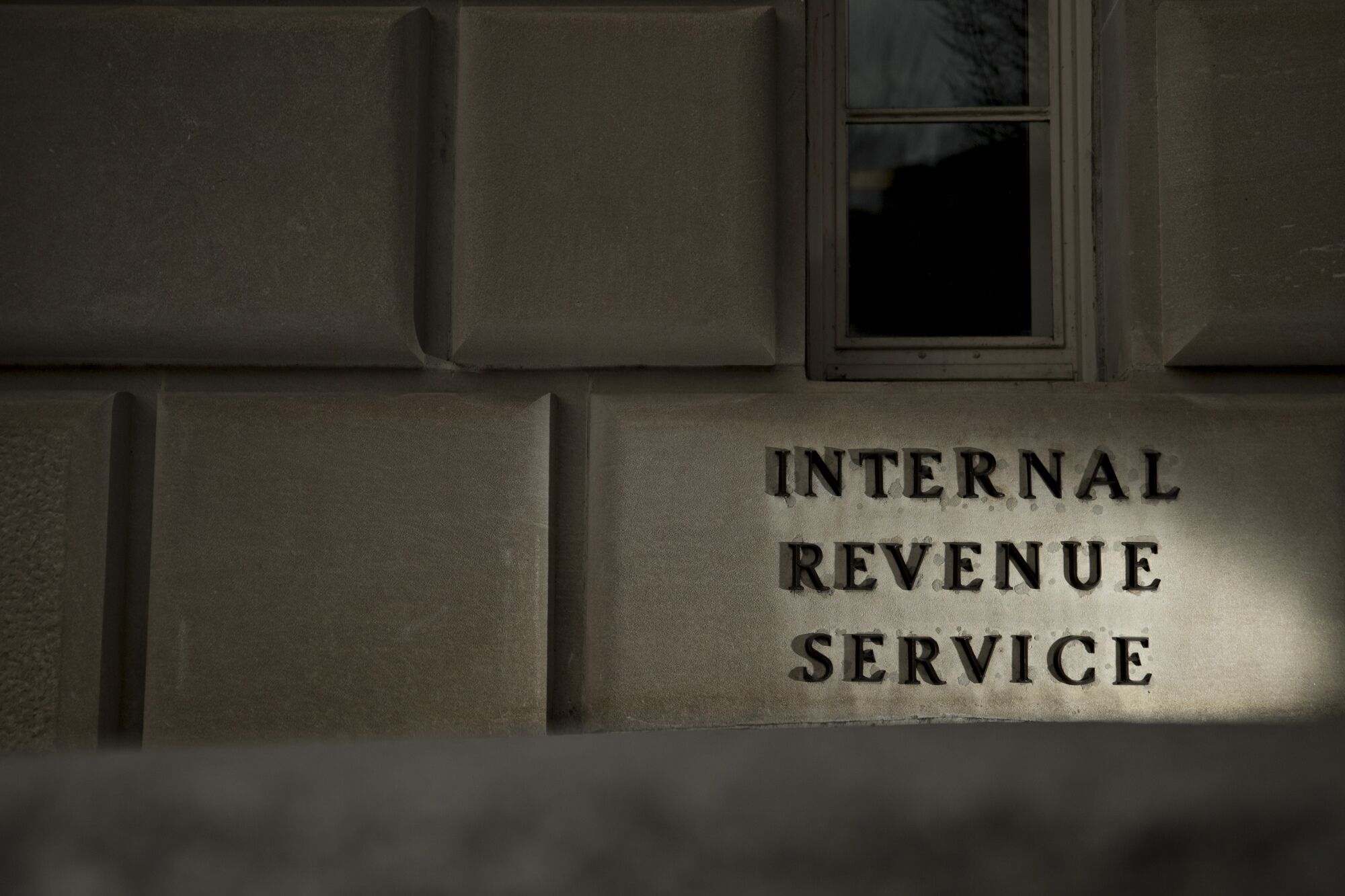
(Bloomberg) -- The failure of the leaders of Harvard University, the University of Pennsylvania, Cornell University and the Massachusetts Institute of Technology to condemn antisemitism could affect their tax-exempt status, the chairman of the House Ways and Means Committee said.
“If antisemitic speech crosses the line into unprotected conduct, it must be punished severely,” Representative Jason Smith, a Republican from Missouri, said in a letter to the schools Wednesday. “If disgusting antisemitic speech remains in the protected category, it should be condemned, not coddled. Your words and actions matter.”
Smith noted that the committee has primary jurisdiction over tax-exempt institutions and the treatment of their endowments.
“We are left to wonder whether re-examining the current benefits and tax treatment afforded to your institutions is necessary,” he said.
Read more: Why Israel-Hamas War Puts Heat on College Leaders: QuickTake
The inquiry is the latest probe into the richest colleges after the Oct. 7 attack on Israel by Hamas. The schools have accumulated massive wealth because of donations and investments.
The committee requested responses to 13 questions about free speech policies, how much each school spends on diversity, equity and inclusion initiatives, and how their endowments justify their tax-exempt purpose. The responses are due Jan. 24.
The investigation follows two separate probes by the House Education and the Workforce Committee that stemmed from a Dec. 5 hearing on Capitol Hill about antisemitism. The presidents of Harvard, Penn and MIT gave widely derided testimony before that committee where they failed to say calls for genocide against Jews would be a violation of university policies. The presidents of Penn and Harvard have since resigned.
Cornell was included after a student testified on Nov. 15 at a Ways and Means Committee hearing. The student said “the university was silent when it came to condemning explicit antisemitism and endorsements of terrorism under the guise of free speech,” Smith wrote in the letter.
The schools said they would cooperate with the investigation.
“We maintain our steadfast commitment to protecting students' rights to free expression while ensuring that our campus is safe and free from harassment and discrimination,” said Kimberly Allen, a spokeswoman for MIT.
Harvard, the oldest and richest US college, has an endowment of $51 billion. It has raised more than $1 billion annually since 2014. During its latest fiscal year, the Ivy League university received 37% of its revenue from endowment distributions, its largest source of income. Another 8% came from current-use gifts.
Even though universities like Harvard and MIT are private, they rely on the federal government for a large source of funding. Federally sponsored research comprised 11% of Harvard's operating revenue during the fiscal year that ended in June.
Congress confers preferential tax treatment on nonprofit colleges. Their donors receive tax exemptions and until 2017, their endowments didn't pay taxes on investment gains. That year, Congress imposed a 1.4% tax on an endowment's annual net investment gains on schools that meet a threshold of at least $500,000 of endowment per student, including Harvard and MIT.
--With assistance from Mia Gindis.
(Updates with comment from universities in ninth paragraph)
More stories like this are available on bloomberg.com
©2024 Bloomberg L.P.

-
We May Need Another Tukaram Mundhe To Fight Air Pollution | The Reason Why

Developers may install basic measures such as sprinklers and green nets, resume work, and continue violating rules when this equipment stops working.
-
Extracting Value From Battery Scrap Could Be Challenging For India | The Reason Why
A discarded lithium-ion battery still contains valuable materials such as lithium, nickel and cobalt. These can be recovered and reused. When such batteries are crushed and shredded, they produce a dark powder called black mass.
-
One El Nino, India Can Handle. Two Could Break The Granary
India's grain stocks can absorb one bad year, but a second El Nino could drain the buffer in two to three years, economists say.
-
India's Troika Of Good Luck | Joining The Dots
As Jensen Huang's exit drags Nvidia down, a cooling AI trade and resilient earnings have revived investor interest in India. A likely RBI rate hike looms.
-
Talking Points This Week: Leadership Shock At Nvidia, Earnings Strength, And The Fog Over Hormuz
The Anthropic IPO pricing and first trading day, Nvidia's upcoming earnings, and any fresh signals from Iran will set the tone for the following week.
-
Signature Play: The Classic Cocktail Is Dead. Or Is It?
Classic cocktails are disappearing from India's cocktail menus. But they're still being ordered, taught to bartenders and borrowed from. So, who's really having the last drink?
-
A New Samvat Wishlist: Inclusive Prosperity And Human Development
India has strengthened its economic foundations through infrastructure, digital access and enterprise. Its next growth chapter must deepen productivity, create better livelihoods and widen participation in prosperity.
-
Love, Sex Aur Dhokha: The Audacious Plot To Spy On Jensen Huang
A Taipei dinner, a Singapore chip buyer and a suspected Chinese asset: inside the alleged spy operation that got close to NVIDIA's Jensen Huang.
-
Ten Things I Learnt This Samvat
Patience can be a trap. Cheap stocks can stay cheap. Leverage can wipe you out. What did Samvat 2082 teach us? Niraj Shah writes on 10 lessons from the year gone by.
-
Talking Points This Week: Tech Nerves, FII Buying, And A Faraway Banking Shock
The global markets are not shining this Diwali. The exception in the large markets is, India.









