Fed Slows Rate Hikes Even as Powell Says There’s More Work to Do
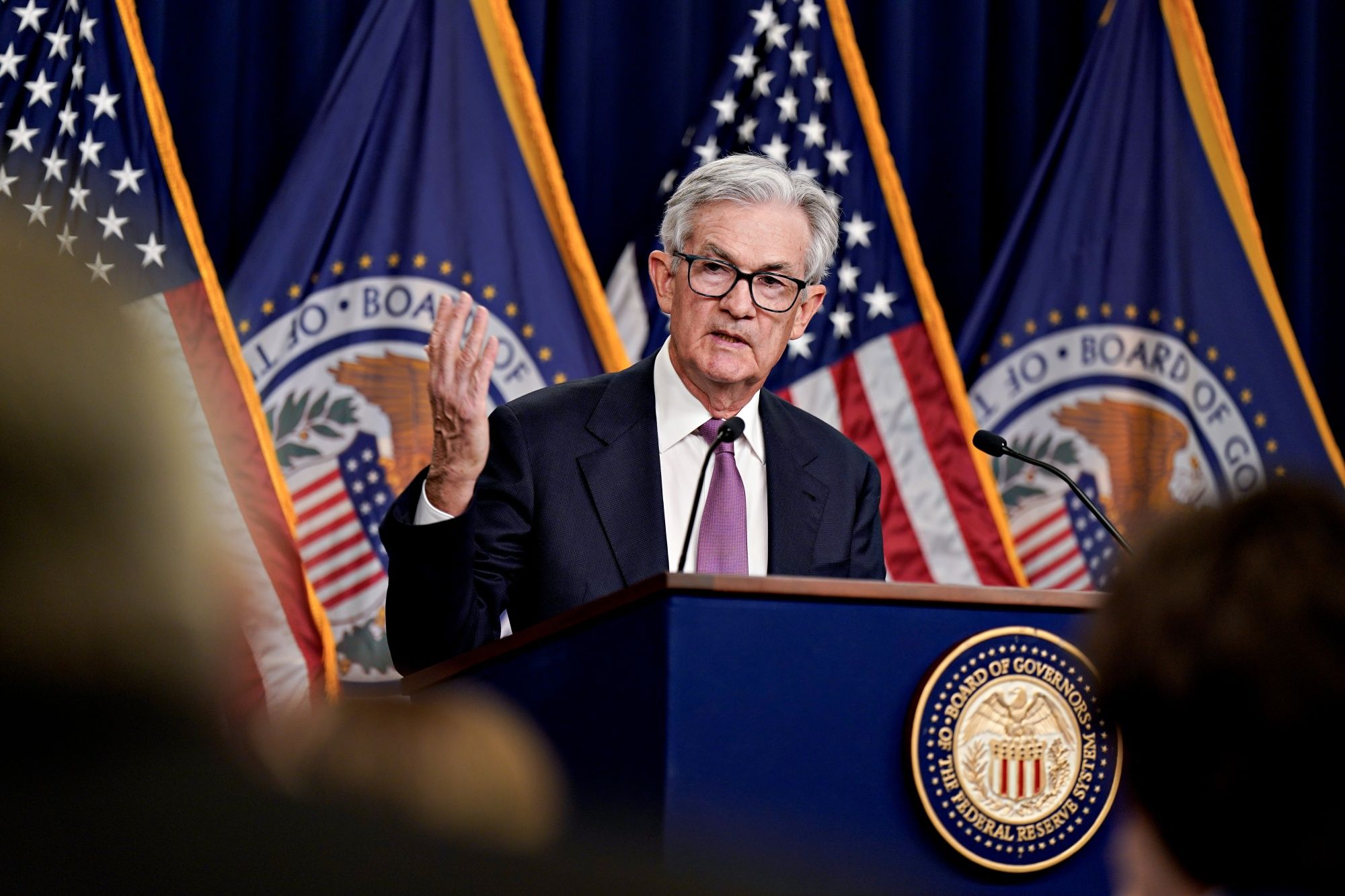
(Bloomberg) -- Federal Reserve Chair Jerome Powell said policymakers expect to deliver a “couple” more interest-rate increases before putting their aggressive tightening campaign on hold, even as they slowed their drive to curb inflation.
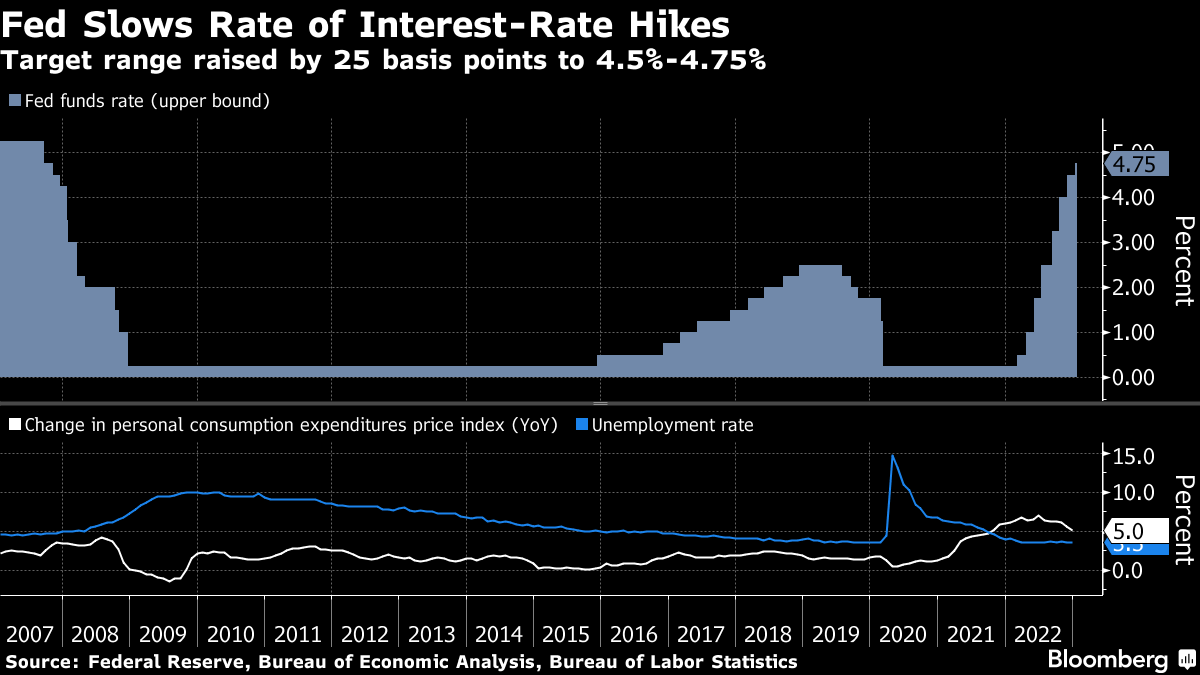
Powell and his colleagues lifted the Fed's target for its benchmark rate by a quarter percentage point to a range of 4.5% to 4.75%. The smaller move followed a half-point increase in December and four jumbo-sized 75 basis-point hikes prior to that.
Still, investors took heart from the chair's remarks acknowledging that price pressures have started to ease, despite his emphasis on the Fed's outlook for more rate hikes. The S&P 500 closed more than 1% higher after he spoke and two-year yields fell sharply.
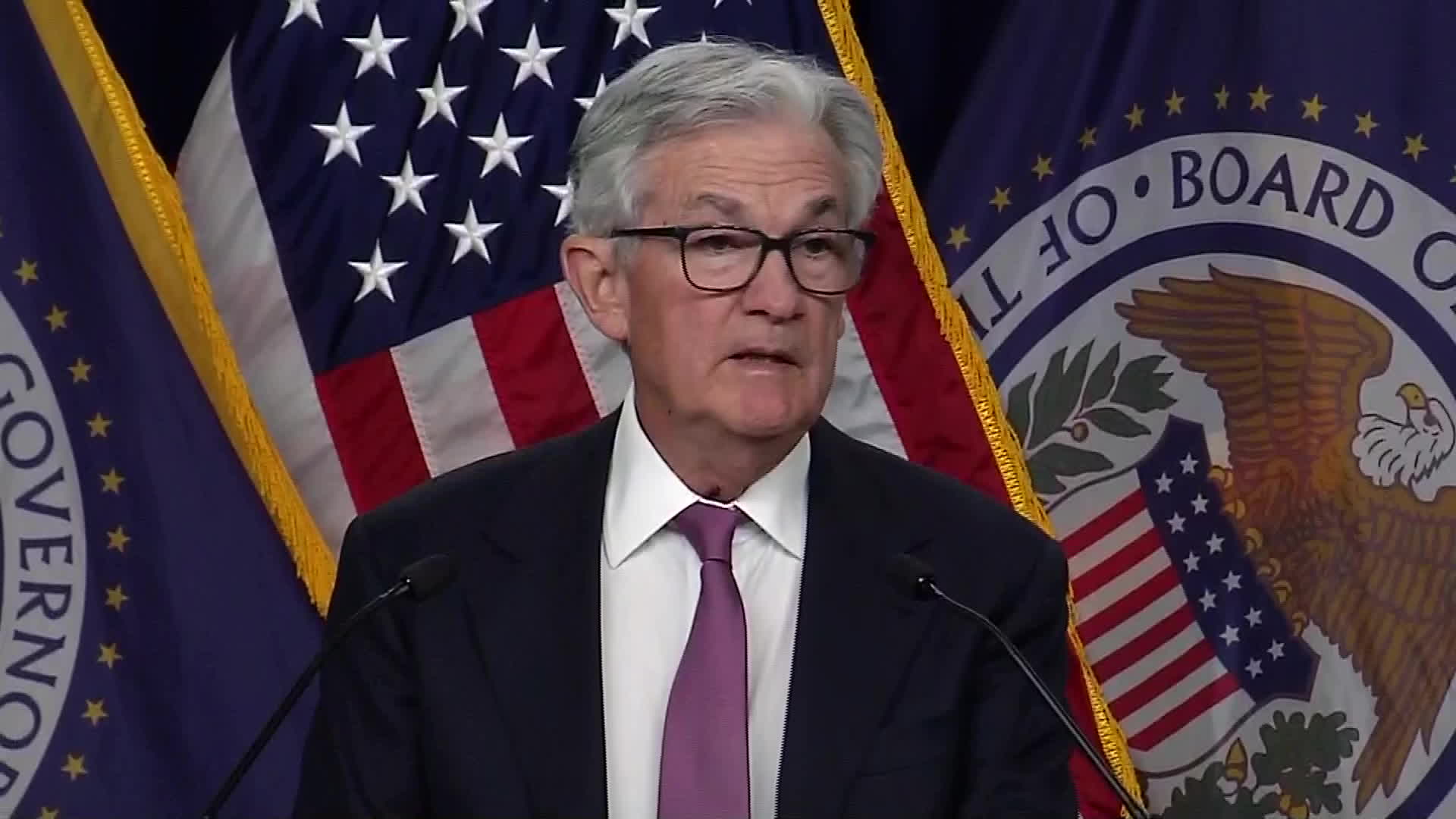
“We think we've covered a lot of ground,” Powell told reporters after the meeting. “Even so, we have more work to do.”
The vote by the Federal Open Market Committee was unanimous.
“The committee anticipates that ongoing increases in the target range will be appropriate in order to attain a stance of monetary policy that is sufficiently restrictive to return inflation to 2% over time,” the Fed said in a statement issued after the two-day policymaking meeting, repeating language it has used in previous communications.
In a sign that the end of the hiking cycle may be in sight, the committee said the “extent of future increases” in rates will depend on a number of factors including cumulative tightening of monetary policy. It had previously tied the “pace” of future increases to those factors.
Powell, during his press conference, added to that sense.
“We've raised rates four and a half percentage points, and we're talking about a couple of more rate hikes to get to that level we think is appropriately restrictive,” he said.
In another shift from its last statement, the Fed noted that inflation “has eased somewhat but remains elevated,” suggesting policymakers are growing more confident that price pressures have peaked.
That compares with prior language where officials simply stated price growth was “elevated.”
“The heavy lifting is done, but it doesn't mean the job is finished,” said Derek Tang, an economist at LH Meyer in Washington. “He'll err on the side of hiking a bit more and staying there a bit longer. He stuck to his risk management story of not wanting to test if they can get away with doing fewer hikes.”
Investors wanted to know if Powell would push back against market expectations that the Fed will cut rates later in the year as inflation eases and economic growth slows. He did.
“Restoring price stability will likely require maintaining a restrictive stance for some time,” he told reporters. While recent readings on price pressures were encouraging, he added that “I just don't see us cutting rates this year,” if the economy evolves as he and his colleagues expect.
At their prior meeting in December, 17 of 19 policymakers forecast that they'll increase rates to 5% or above this year, with none looking for cuts.
There were no fresh forecasts published on Wednesday, but Powell did reference those projections as a guide about how much higher officials expect to raise rates.
After initially dismissing a surge in prices as temporary, Fed policymakers have been scrambling to get control of runaway inflation before it becomes embedded into the economy, lifting rates sharply from levels close to zero as recently as a year ago.
They're also reducing the Fed's balance sheet at a record clip, withdrawing hundreds of billions of dollars from the financial system.
What Bloomberg Economics Says…
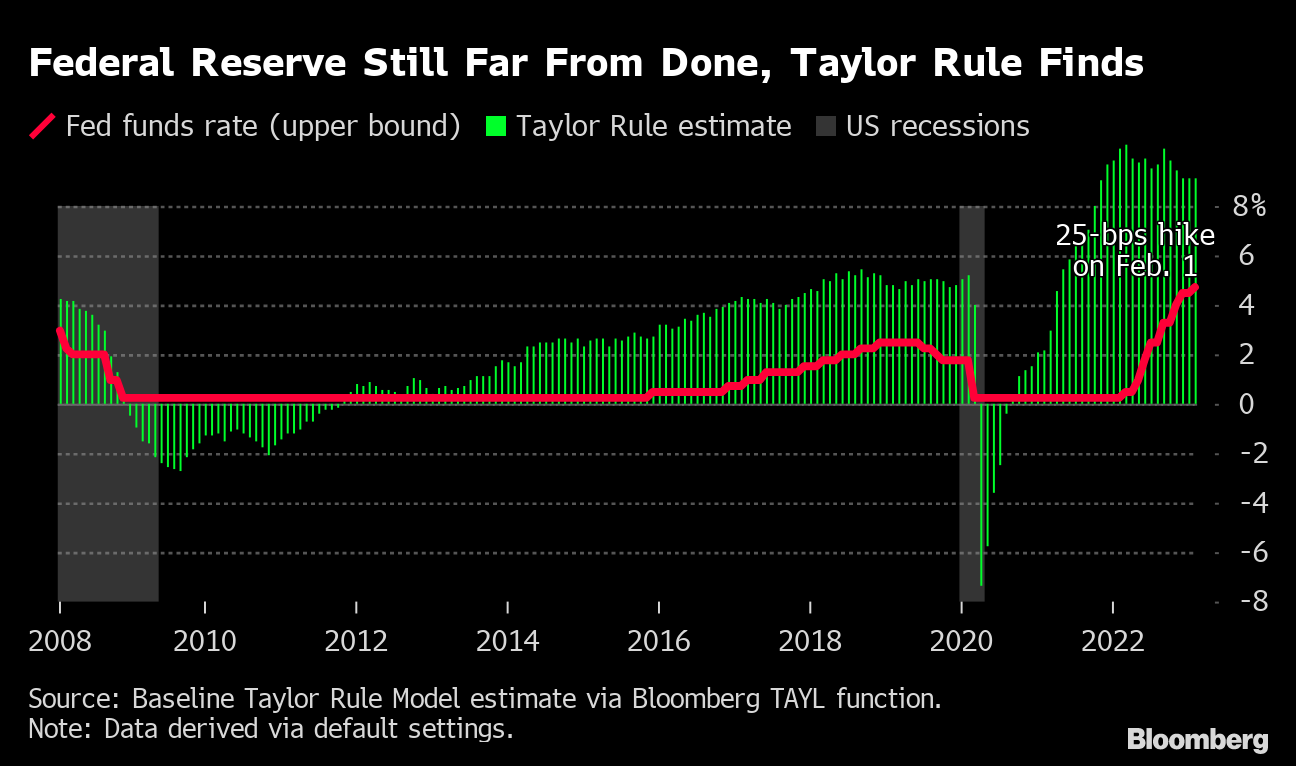
“Soft inflation data in recent months haven't been convincing enough for the Fed to consider pausing its rate-hike campaign just yet. By continuing to refer to “ongoing” rate hikes, the FOMC is hinting that they expect at least another two 25-basis point hikes, affirming their view of a terminal rate at 5.25.”
— By Anna Wong, Eliza Winger and David Wilcox (economists)
To read more click here
While policymakers have had some success in reining in inflation - the Fed's favorite gauge slowed to a year-on-year rate of 5% in December from 7% in June - they've been loath to declare victory until they're confident price rises are on track to return to their 2% price target.
“It is gratifying to see the disinflationary process now getting under way and we continue to get strong labor market data,” Powell said. Still, the chair said that officials would need “substantially more evidence” that inflation was on a sustained downward path.
Pressed to spell out if that represented a certain number of months of continued downward progress on prices, he said it would be an accumulation of factors.
Powell has zeroed in on the labor market as a source of potential inflationary pressure, arguing that demand for workers is outstripping supply and that wages are rising too quickly to be consistent with the Fed's 2% inflation target.
Officials got some welcome news on that front as they began their two-day meeting Tuesday, with the Labor Department reporting that a broad gauge of wages and benefits slowed in the final three months of 2022.
Another reading on the jobs market arrives Friday, when the government releases the employment report for January. Payrolls growth is forecast to have slowed to 190,000 last month from 223,000 in December while unemployment may have ticked up to 3.6% from 3.5%.
The Fed's repeated rate increases have taken a toll on the US economy. Hammered by a steep rise in mortgage rates, the housing market has slumped, with new home sales declining in 2022 to their lowest level in four years.
However, consumer expenditures, the bulwark of the economy, have generally held up in the face of sky-high inflation, as households drew on savings built up during the pandemic and saw incomes boosted by a vibrant jobs market.
--With assistance from , , , , and .
(Updates with closing market levels in third paragraph.)
More stories like this are available on bloomberg.com
©2023 Bloomberg L.P.

-
Gold Is Rs 22,000 Cheaper Than A Month Ago. Should You Buy Amid The Wedding Season?

Gold's potential slide to $3,500 could save around Rs 4,700 per 10 grams, but a soft inflation print could just as easily push prices back up. One way to split the risk is to buy in parts, some now and the rest after the Fed's Dec. 9 decision.
-
AI Agents Are Gaining Power. Who Governs Them?
Artificial intelligence agents promise to transform productivity by moving machines from assisting decisions to executing them. But as organisations delegate greater authority to these AI-agents, they must first establish who controls that authority and who remains accountable when things go wrong.
-
Why Swapping Your Old Gold Can Trigger A Rs 5 Lakh Tax Bill, And How You Can Avoid It Legally
Swapping old gold for new is taxed as a sale and a fresh purchase. Getting your own gold remade can cut most of that bill, though it has its own costs.
-
The AI Trade is Done. The Real Opportunity for Investors Starts in 2027 | Unhedged Position
As pureplay AI stocks plunge and circular, capex-led financing unwinds, 2027 is set to be a year of reckoning for AI companies. Yet the bust clears the way for a better opportunity for investors in 2027 -- shifting the spotlight from AI builders to the companies using AI.
-
Leadership As Mission: Why The Age Of AI Demands More Human Leadership
Debjani Ghosh examines how AI is changing leadership, arguing that its success must be measured by its impact on people and the accountability of those guiding its use.
-
We May Need Another Tukaram Mundhe To Fight Air Pollution | The Reason Why
Developers may install basic measures such as sprinklers and green nets, resume work, and continue violating rules when this equipment stops working.
-
Extracting Value From Battery Scrap Could Be Challenging For India | The Reason Why
A discarded lithium-ion battery still contains valuable materials such as lithium, nickel and cobalt. These can be recovered and reused. When such batteries are crushed and shredded, they produce a dark powder called black mass.
-
One El Nino, India Can Handle. Two Could Break The Granary
India's grain stocks can absorb one bad year, but a second El Nino could drain the buffer in two to three years, economists say.
-
India's Troika Of Good Luck | Joining The Dots
As Jensen Huang's exit drags Nvidia down, a cooling AI trade and resilient earnings have revived investor interest in India. A likely RBI rate hike looms.
-
Talking Points This Week: Leadership Shock At Nvidia, Earnings Strength, And The Fog Over Hormuz
The Anthropic IPO pricing and first trading day, Nvidia's upcoming earnings, and any fresh signals from Iran will set the tone for the following week.









