Fed Hawks And Doves Stay The Course On Rate Hikes To Cool Prices
(Bloomberg) -- Federal Reserve officials from both the hawkish and dovish wings of the US central bank confirmed their determination to raise interest rates, even as business contacts report US economic growth shifting into a lower gear.
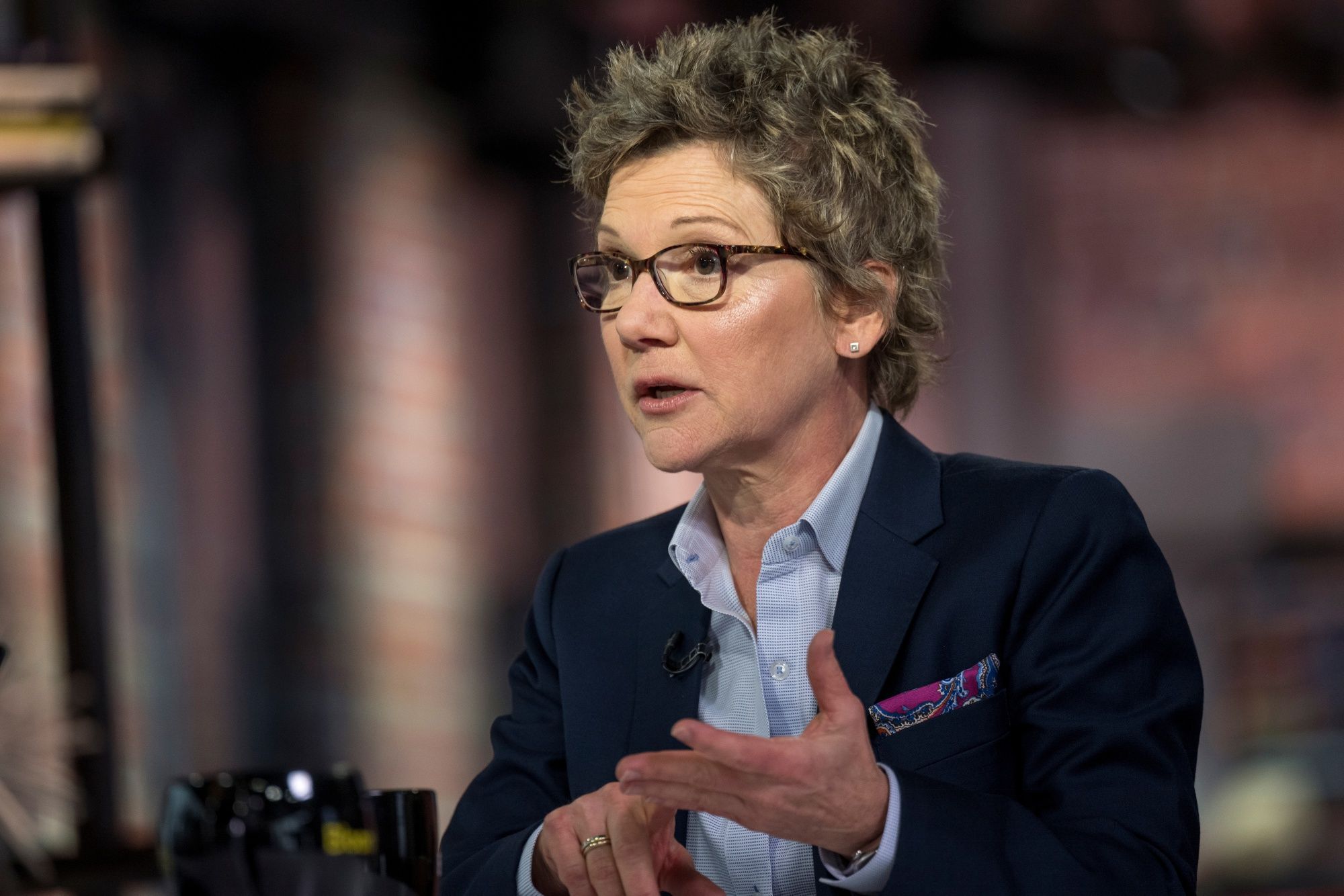
Dove Mary Daly of the San Francisco Fed and her more hawkish colleague James Bullard of St. Louis both backed a plan to raise rates by 50 basis points this month and next to counter the hottest inflation in 40 years, while Richmond's Thomas Barkin said it made “perfect sense” to tighten policy.
Their remarks on Wednesday came as the Fed's Beige Book survey reported the pace of growth downshifting, with four of the central bank's 12 districts noting that growth had slowed, and as JP Morgan Chase & Co. Chief Executive Officer Jamie Dimon warned investors to prepare for an economic “hurricane.”

Some Fed officials said the economy is still strong and the most pessimistic outcomes may be avoided.
“Right now what I'm hearing is people investing, consumers spending. You can't find a recession in the data, and you can't find it in the actions of executives,” Barkin said in an interview on Fox Business. “I grew up in Florida. I learned you always prepare for hurricanes. But a lot of them pass and don't hit you.”
The Fed raised rates by half a percentage point at its May meeting and signaled it'll do so again at the next two as officials move quickly to increase rates to the neutral level that neither speeds up nor slows down economic activity.
“I certainly am comfortable to do what it takes to get inflation trending down to the level we need it to be,” Daly said Wednesday in an interview on CNBC. “What the Fed needs to do -- and this is how I am thinking about the economy -- is remove the accommodation, but then be open to the data, be data-dependent.”
Policy makers want to cool the economy and get demand into better alignment with pandemic-crimped supply that's lifted inflation to the hottest levels in 40 years. Their efforts may be starting to yield results.
Economic activity and price gains may be moderating in parts of the country as households and businesses navigate higher rates, the Russian invasion of Ukraine and ongoing disruptions from Covid-19 infections, the Beige Book report showed.
“Four districts explicitly noted that the pace of growth had slowed since the prior period,” it said. Business contacts in several districts reported becoming more cautious as their outlooks grew more pessimistic.
Bullard played down the findings, telling reporters that it was “natural” to see activity moderate.
“We would expect growth to be slowing to a pace that is more consistent the longer term potential growth rate of the US economy, which many economists put at 1.75% to 2%,” he said, when asked to comment on the Beige Book's findings. “We have certainly been growing well above that over the last year or more. So I think it's natural to expect slower growth.”
More stories like this are available on bloomberg.com
©2022 Bloomberg L.P.

-
Talking Points This Week: Leadership Shock At Nvidia, Earnings Strength, And The Fog Over Hormuz

The Anthropic IPO pricing and first trading day, Nvidia's upcoming earnings, and any fresh signals from Iran will set the tone for the following week.
-
Signature Play: The Classic Cocktail Is Dead. Or Is It?
Classic cocktails are disappearing from India's cocktail menus. But they're still being ordered, taught to bartenders and borrowed from. So, who's really having the last drink?
-
A New Samvat Wishlist: Inclusive Prosperity And Human Development
India has strengthened its economic foundations through infrastructure, digital access and enterprise. Its next growth chapter must deepen productivity, create better livelihoods and widen participation in prosperity.
-
Love, Sex Aur Dhokha: The Audacious Plot To Spy On Jensen Huang
A Taipei dinner, a Singapore chip buyer and a suspected Chinese asset: inside the alleged spy operation that got close to NVIDIA's Jensen Huang.
-
Ten Things I Learnt This Samvat
Patience can be a trap. Cheap stocks can stay cheap. Leverage can wipe you out. What did Samvat 2082 teach us? Niraj Shah writes on 10 lessons from the year gone by.
-
Talking Points This Week: Tech Nerves, FII Buying, And A Faraway Banking Shock
The global markets are not shining this Diwali. The exception in the large markets is, India.
-
Midterm Rally Lasted A Day. The Hard Reality Of A Divided US May Last Two Years | Opinion
Between a contested AI boom, a debt ceiling that arrives in 2027 and a president with every incentive to act alone, the next two years may prove more volatile than the first day's rally suggests.
-
Blue Wave Will Derail the AI Trade but Won't Dismantle the AI Era | Unhedged Position
The Democrats' sweep of the US Congress will see politics collide with economic forces both over the long and short term.
-
It's Time To Take The GST Council's Bet On Trust Global
Payment records can prove India's services exports, and clear, proportionate rules can bring foreign digital sellers into the tax net.
-
Opinion | India at 38: From Innovation Overperformer to Innovation Powerhouse
India now has 453 VC-backed deep science startups, 18 of them late-stage, after 117 percent growth since 2020. Laurus Labs, at USD 9.3 billion, is the most valuable deep science company in any middle-income economy outside China.









