Fake News Danger Becomes Top Davos Worry In Year Of Elections
(Bloomberg) -- False or wrong information poses the biggest danger to the world in the next two years amid a confluence of elections and economic drudgery, according to a survey by the World Economic Forum.
Hours after a fake post on the US Securities and Exchange Commission's X account fueled a brief surge in Bitcoin, the Geneva-based organization that will next week host the global elite in the Swiss Alpine resort of Davos highlighted how worries about the potential manipulation of voters are mounting.

The annual poll conducted by the forum among more than 1,400 risk experts, policymakers and industry leaders put “misinformation and disinformation” at the top of threats facing the global economy in the short term. Concerns about the health of the planet dominate the outlook for the coming decade, a trend already seen in previous surveys.
More than 3 billion people will vote this year, with the US, India, Indonesia, Europe, and probably the UK too holding some of the biggest polls due. The report confronts how economies squeezed by high borrowing costs after a once-in-a generation inflation shock just as major elections take place could present a toxic backdrop for the world in coming months.

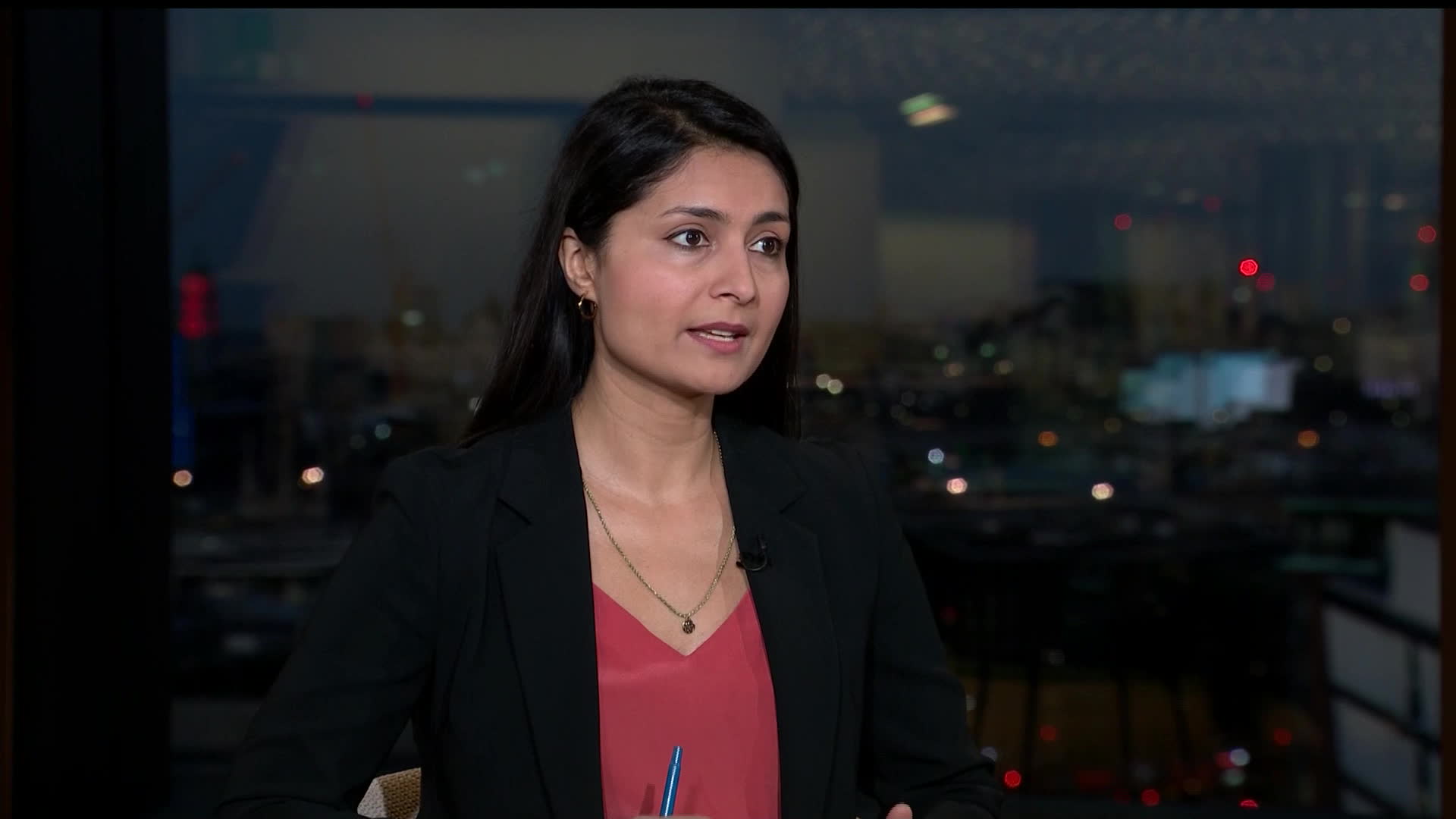
“When these two things come together — the economic hardship being faced by many people and the rise of synthetic content combined with going into an election year where people get to make decisions about who is going to be leading them — that together can be a very potent mix,” Saadia Zahidi, WEF managing director, told Bloomberg Television's Francine Lacqua on Wednesday.
The elevation of fake news as a danger at the forefront of worries among the crowd heading to the Davos meetings kicking off on Monday underscores shows how politics risks dominating the gathering in the mountains. How to rebuild trust is the theme confronting leaders and executives set to attend there.
Widespread use of misinformation and disinformation may undermine the legitimacy of newly elected governments, fuel violent protests and potentially even terrorism, according to the WEF.

Read More: Blinken, Macron, Li Headline Davos Forum Tackling Eroded Trust
“If some of those views start spilling over very different perceptions of reality, when it comes to health, when it comes to what people are thinking about education, what people think about specific people, who then becomes the owner of the truth?” Zahidi said.
Things are no better for the coming decade. Two-thirds of respondents anticipate the emergence of a multipolar or fragmented world order in that time horizon, in which mid- and large-size powers set and enforce rules and norms. Four of the five biggest challenges for then are related to climate change.

Some 30% of respondents see an elevated chance of global catastrophes in the next 24 months, and nearly two thirds envisage such a scenario in the coming decade.
“The outlook has shifted deeply toward darker side over the next 10 years,” Zahidi said.
The forum's wider analysis on the survey was no less pessimistic.
The results “highlight a predominantly negative outlook for the world in the short term that is expected to worsen over the long term,” the WEF said. “Against a backdrop of systemic shifts in global power dynamics, climate, technology and demographics, global risks are stretching the world's adaptative capacity to its limit.”
--With assistance from Samuel Dodge.
More stories like this are available on bloomberg.com
©2024 Bloomberg L.P.

-
Signature Play: The Classic Cocktail Is Dead. Or Is It?

Classic cocktails are disappearing from India's cocktail menus. But they're still being ordered, taught to bartenders and borrowed from. So, who's really having the last drink?
-
A New Samvat Wishlist: Inclusive Prosperity And Human Development
India has strengthened its economic foundations through infrastructure, digital access and enterprise. Its next growth chapter must deepen productivity, create better livelihoods and widen participation in prosperity.
-
Love, Sex Aur Dhokha: The Audacious Plot To Spy On Jensen Huang
A Taipei dinner, a Singapore chip buyer and a suspected Chinese asset: inside the alleged spy operation that got close to NVIDIA's Jensen Huang.
-
Ten Things I Learnt This Samvat
Patience can be a trap. Cheap stocks can stay cheap. Leverage can wipe you out. What did Samvat 2082 teach us? Niraj Shah writes on 10 lessons from the year gone by.
-
Talking Points This Week: Tech Nerves, FII Buying, And A Faraway Banking Shock
The global markets are not shining this Diwali. The exception in the large markets is, India.
-
Midterm Rally Lasted A Day. The Hard Reality Of A Divided US May Last Two Years | Opinion
Between a contested AI boom, a debt ceiling that arrives in 2027 and a president with every incentive to act alone, the next two years may prove more volatile than the first day's rally suggests.
-
Blue Wave Will Derail the AI Trade but Won't Dismantle the AI Era | Unhedged Position
The Democrats' sweep of the US Congress will see politics collide with economic forces both over the long and short term.
-
It's Time To Take The GST Council's Bet On Trust Global
Payment records can prove India's services exports, and clear, proportionate rules can bring foreign digital sellers into the tax net.
-
Opinion | India at 38: From Innovation Overperformer to Innovation Powerhouse
India now has 453 VC-backed deep science startups, 18 of them late-stage, after 117 percent growth since 2020. Laurus Labs, at USD 9.3 billion, is the most valuable deep science company in any middle-income economy outside China.









