Emmanuel Macron’s Top Choices To Become France’s Next Prime Minister
(Bloomberg) -- Now that France's lower house of parliament has toppled the government, plunging the country into further political turmoil, President Emmanuel Macron will need to try to get his agenda back on track.
A top priority will be to choose a new prime minister to take the place of Michel Barnier, whose tenure was the shortest since the French Fifth Republic was founded in 1958.
Whoever gets the job will need to pick up 2025 budget negotiations again in the same fragmented political environment that brought down the last administration.
“I advise him to nominate a prime minister quickly, it's important, there mustn't be any hesitation,” National Assembly President Yael Braun-Pivet told France Inter radio. “There is still time to give France a budget by the end of the year — It's not easy, the time is extremely tight, but it's possible.”
Here are the names being discussed to become France's next premier, which notably contain no women candidates:
Sébastien Lecornu, 38: In 2022, he became the youngest defense minister since the French Revolution. He's a Macron loyalist who originally came from the center-right Republicans party. The skilled politician has been a minister since Macron became president and has overseen a jump in military spending.
Bernard Cazeneuve, 61: A former prime minister and interior minister under Socialist President Francois Hollande. He was already considered as a possible premier this summer before Macron picked Barnier. Tapping Cazeneuve, the only left-wing name in this list, could potentially help Macron fracture the left-wing New Popular Front bloc.
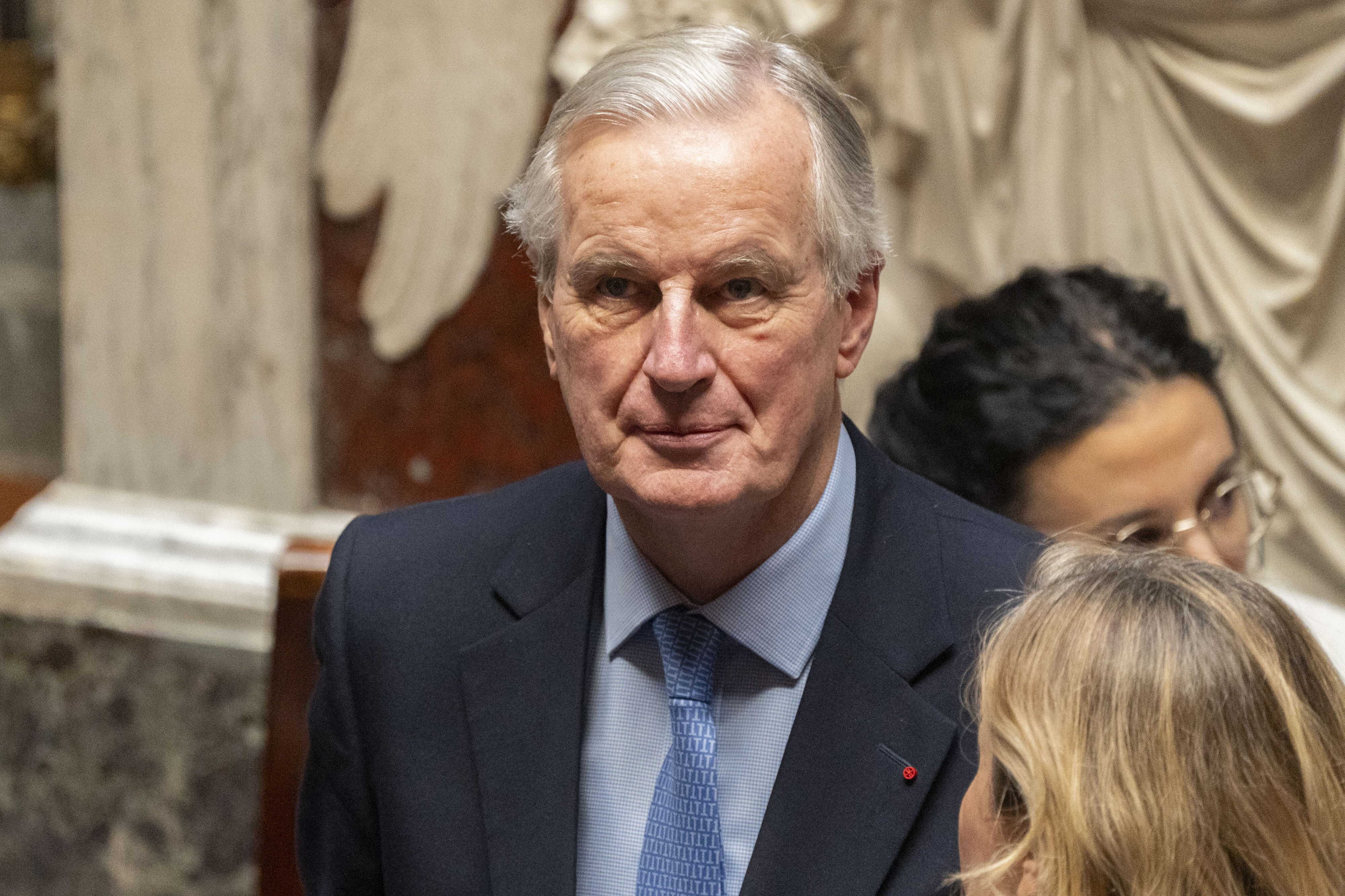
Michel Barnier Photographer: Nathan Laine/Bloomberg
Michel Barnier, 73: Macron could re-name the outgoing prime minister. Barnier did, however, appear to rule himself out on Tuesday. “I want to serve,” he said. “But what does it mean if I fall tomorrow, and the day after you find me back here, as if nothing had happened?”
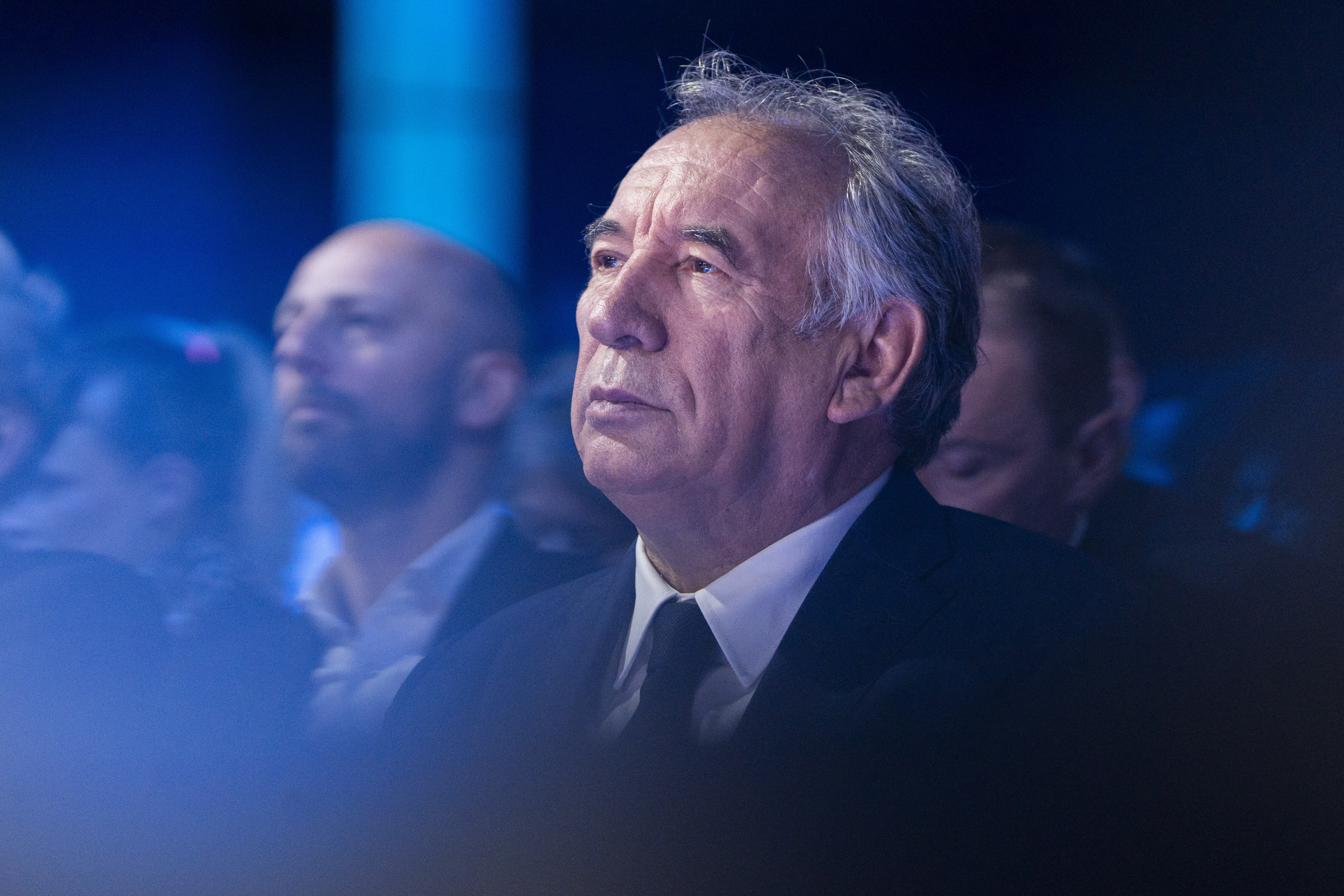
François Bayrou, 73: The veteran centrist is the leader of the MoDem party, a key Macron ally in parliament. Currently the high commissioner for government planning, Bayrou supports proportional representation in parliamentary elections, which has also been backed by the National Rally.
Bruno Retailleau, 64: A former leader of the Republicans group in the Senate, he joined Barnier's government as interior minister. He has advocated for a much tougher stance on immigration and was once close to the Philippe de Villiers, a staunch catholic politician known for his nationalist views.
Thierry Breton, 69: A former economy minister, he was European commissioner overseeing industries including technology, defense and space until September when Macron ditched him upon the demand of EU Commission President Ursula von der Leyen. He's often criticized in France for his previous post as chief executive officer of Atos: Once one of France's premier technology companies, it's now selling assets to work its way out of a debt pile that threatened its ability to continue operating.
François Baroin, 59: Once a protege of former right-wing president Jacques Chirac, he was a minister in the 2000s and 2010s. The former journalist, who is currently the chairman of Barclays France, has been very critical of Macron, including saying that he had “no friends” and calling his decision to dissolve the National Assembly “surprising and dangerous.”
Jean Castex, 59: A former prime minister under Macron known for his southern French accent and his management skills. Currently the head of the RATP, the state-owned company that operates the Paris metro.

-
Signature Play: The Classic Cocktail Is Dead. Or Is It?

Classic cocktails are disappearing from India's cocktail menus. But they're still being ordered, taught to bartenders and borrowed from. So, who's really having the last drink?
-
A New Samvat Wishlist: Inclusive Prosperity And Human Development
India has strengthened its economic foundations through infrastructure, digital access and enterprise. Its next growth chapter must deepen productivity, create better livelihoods and widen participation in prosperity.
-
Love, Sex Aur Dhokha: The Audacious Plot To Spy On Jensen Huang
A Taipei dinner, a Singapore chip buyer and a suspected Chinese asset: inside the alleged spy operation that got close to NVIDIA's Jensen Huang.
-
Ten Things I Learnt This Samvat
Patience can be a trap. Cheap stocks can stay cheap. Leverage can wipe you out. What did Samvat 2082 teach us? Niraj Shah writes on 10 lessons from the year gone by.
-
Talking Points This Week: Tech Nerves, FII Buying, And A Faraway Banking Shock
The global markets are not shining this Diwali. The exception in the large markets is, India.
-
Midterm Rally Lasted A Day. The Hard Reality Of A Divided US May Last Two Years | Opinion
Between a contested AI boom, a debt ceiling that arrives in 2027 and a president with every incentive to act alone, the next two years may prove more volatile than the first day's rally suggests.
-
Blue Wave Will Derail the AI Trade but Won't Dismantle the AI Era | Unhedged Position
The Democrats' sweep of the US Congress will see politics collide with economic forces both over the long and short term.
-
It's Time To Take The GST Council's Bet On Trust Global
Payment records can prove India's services exports, and clear, proportionate rules can bring foreign digital sellers into the tax net.
-
Opinion | India at 38: From Innovation Overperformer to Innovation Powerhouse
India now has 453 VC-backed deep science startups, 18 of them late-stage, after 117 percent growth since 2020. Laurus Labs, at USD 9.3 billion, is the most valuable deep science company in any middle-income economy outside China.









