Credit Suisse’s Fatal Bank Run Points To Gaps In Liquidity Rules
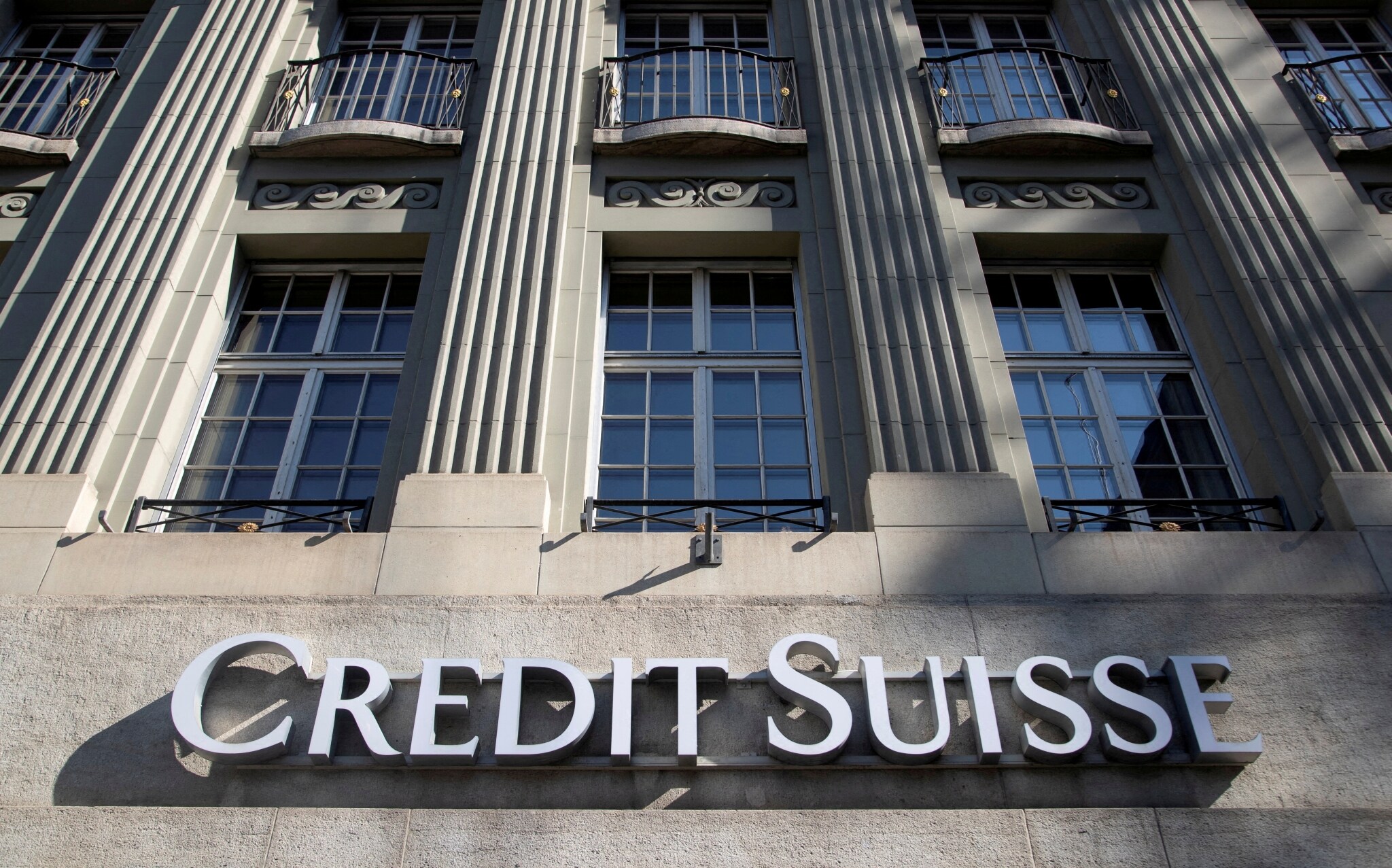
(Bloomberg) -- Credit Suisse AG was hit by renewed outflows over several days last month that took it to the brink of bankruptcy, even when it was supposed to have enough funds to cover a month of deposit flight.
As Swiss officials and Credit Suisse executives emphasized this week that the firm's emergency sale staved off imminent collapse, they highlighted how sharp the run was. The bank had 120 billion francs at the end of December to cover the 83 billion francs of net outflows it expected over a brutal 30 days, and said that as of March 14, that ratio had improved. But just a few days later, it was on the brink.
That's thrown into spotlight just how prepared lenders are to weather a crisis and return money to depositors on demand. Swiss Finance Minister Karin Keller-Sutter and Marlene Amstad, head of Swiss financial watchdog Finma, both indicated that Credit Suisse was teetering on the brink of bankruptcy at the time of its government-backed rescue on March 19. Amstad said Credit Suisse suffered an “unprecedented” bank run at a press conference on Wednesday.
Regulators are reviewing how quickly depositors not covered by an insurance scheme can pull their money when doubts emerge about a bank's viability, Bloomberg has reported. There's a growing consensus that previous estimates putting the so-called runoff rate as low as 10% among retail deposits is obsolete because of how quickly destabilizing rumors can spread on social media, as well as the ease with which money can be moved.
The 167-old lender was forced into an emergency weekend takeover even though Swiss authorities said a couple days prior that it met all regulatory capital and liquidity requirements. Finma said it had begun to ratchet up demands on the lender a few years ago, having asked for higher liquidity buffers from Credit Suisse as early as 2020.

On the day of its rescue, Finma had also prepared a bankruptcy plan for Credit Suisse, Amstad said. Allowing the bank to fail would likely have wreaked havoc on financial stability by triggering runs at other banks. That, she said, was the main reason for Finma to advocate for a rescue.
The second bank run at Credit Suisse happened after a first rush to withdraw funds in October, when it lost 84 billion Swiss francs in client money over the span of just a few weeks. The lender subsequently failed to persuade clients to return their cash, and the depletion of liquidity meant it had less to fall back on when depositor panic again flared up in March.
Read More: EU Regulators to Rethink Liquidity After Credit Suisse Unravels
Of course, the flipside is that if banks are forced to hold more cash, it limits their profitability, which may slow the buildup of capital buffers and lead to more concern about their financial position. And some securities that qualify as “high-quality liquid assets” for liquidity rules are government bonds that dropped sharply in value last year.
The liquidity coverage ratio is a regulatory metric designed in the aftermath of the financial crisis to ensure banks can withstand short-term bouts of severe stress and was touted by executives in the run up to Credit Suisse's collapse as a sign of strength. It compares available liquidity such as cash to the maximum amount of money that clients are expected to move out of the bank. That latter assumption requires regulators and lenders to estimate client behaviors about how quickly and intensely different clients will respond to signals of bank stress.
“Until the beginning of the fateful week, I believed in a successful turnaround,” Credit Suisse Chairman Axel Lehmann said at the bank's final annual general meeting on Tuesday, referring to the March bank run. But a confluence of negative events including bank failures in the US created “fears of global contagion,” he said.
“Social media and digitalization fanned the flames of this fear,” Lehmann said. “This hit us at our most vulnerable in mid-March.”
More stories like this are available on bloomberg.com
©2023 Bloomberg L.P.

-
The Economic Imperative: Analysing The Material Driving Force Behind India-Canada Strategic Reset

This economic complementarity is further reinforced by deep institutional investment ties and talent mobility, which form the bedrock of the bilateral framework.
-
Medicine Pricing: Where Must Profit Stop?
India must confront excessive margins, hidden incentives and regulatory gaps that threaten the integrity of medicine.
-
Why Amazon And Flipkart Are Struggling To Beat Meesho In India's Smaller Cities
With 274 million users and lowest-cost logistics, Meesho is defending its value commerce crown against giants like Amazon and Flipkart.
-
High US Salaries, No Green Card Certainty: The Financial Calculation Facing Indian H-1B Families
The suspension of PERM processing at eight technology employers does not cancel existing H-1B visas. What it does is force a question many Indian families have been avoiding: is the US salary worth tying your career and family plans to one employer?
-
Swiggy vs Eternal: Food Delivery's Two Rivals Are No Longer In The Same Race
Eternal is building a private AI assistant, dark.ai. Swiggy is still working out how to make Instamart pay, with an operating loss of Rs 895 crore in the July-September quarter while Blinkit stayed profitable.
-
Where You Live Shapes How You Get To Work | The Reason Why
Two-wheelers are the most popular way to get to work in India, accounting for nearly 43% of workplace commutes.
-
Unhedged Position: Can India See An Indonesia-Style Time Correction?
The Nifty is trading below levels it first clocked in 2024. Is there, then, as I have suggested in the headline, potential that the current time correction drags on painfully for the next three-five, even ten years?
-
Navigating Friction And Energy Realities: An Analysis Of Marco Rubio's October Visit To India
Occurring at a critical juncture marked by stalled trade negotiations and escalating geopolitical pressures over global energy supplies, the visit offers a profound window into modern US-India relations.
-
India Exports Capital. Why Not Export Trusteeship?
The big question, then, is whether India can build an institution that global borrowers, investors, banks, and lawyers can trust, even without an Indian connection.
-
France's Economy & Politics Are In Crisis | The Reason Why
Let's look at how the French economy and politics evolved under Nicolas Sarkozy, Franois Hollande and Emmanuel Macron.










