China Plans $120 Billion Credit Line For Infrastructure
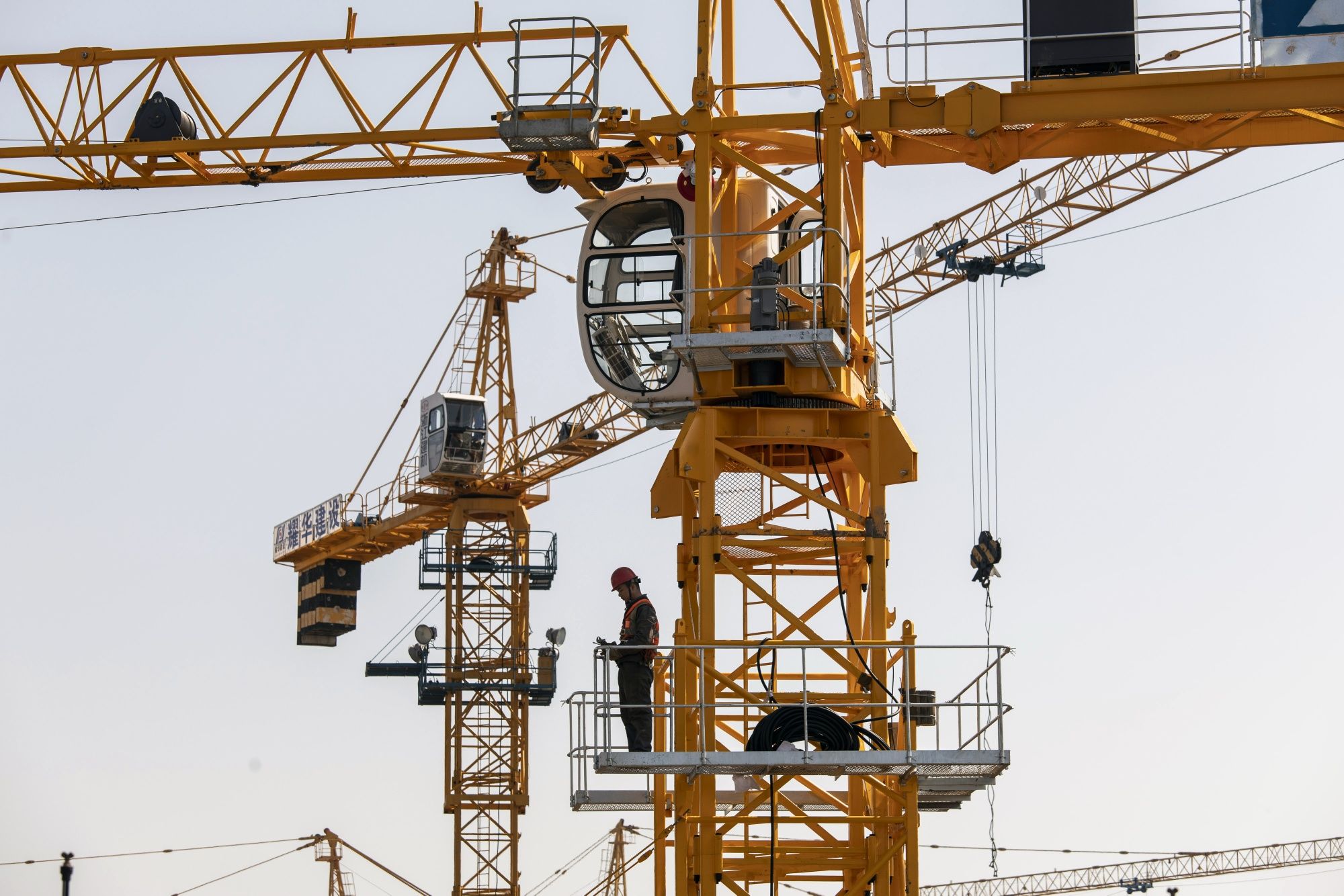
(Bloomberg) -- Beijing ordered state-owned policy banks to set up an 800 billion yuan ($120 billion) line of credit for infrastructure projects as it leans on construction to stimulate an economy battered by coronavirus lockdowns.
The announcement, made at a State Council meeting chaired by Premier Li Keqiang, could help finance a significant chunk of infrastructure costs this year. Bloomberg Economics estimated China's infrastructure spending came to 23 trillion yuan in 2021. Large policy lenders include China Development Bank.
Beijing's calls for faster implementation of growth-boosting policies have intensified since official data showed that economic activity contracted in April and unemployment rose sharply. High-frequency indicators suggest the decline continued in May, leading Li to warn last week of risks from a possible year-on-year contraction in the second quarter.
The infrastructure push will help Beijing support that kind of investment “amid weak credit demand in the private sector,” Nomura Holdings Ltd. economists led by Lu Ting wrote in a note.
Nomura estimates the government has a 6 trillion yuan funding gap, created in part by a sharp contraction in revenue from land sales, a key source of funding of infrastructure investment by local governments.
The economists maintained their estimate for infrastructure investment growth to rise to around 10% this year, and said Covid-related uncertainty still pose risks to the economy. They forecast annual gross domestic product growth of 3.9% for 2022, well below the government target of about 5.5%.
Funding Sources
The State Council didn't say how the policy banks would fund the lending. The development banks' main source of funds come from issuing bonds or loans from China's central bank. In 2014, the People's Bank of China extended a reported 1 trillion yuan loan to China Development Bank to help lower financing costs for government-backed housing projects.
Nomura estimated the 800 billion yuan funding accounts for nearly half of the 1.65 trillion yuan in new policy bank lending in 2021. Given low market rates, it's likely the banks will sell bonds to raise the funds, it said.
China has aimed most financial support this year at corporations rather than households. At Wednesday's meeting, the State Council reiterated vows to back internet platforms seeking domestic and overseas public listings. The top government body also said targeted support measures should be provided for people who have lost jobs or income, and will distribute subsidies to some migrant workers.
Covid cases have moderated in recent weeks, leading to an easing of the lockdown in Shanghai. Still, the government's strict Covid Zero policy, which requires restrictions on activity wherever outbreaks occur, means that consumption is likely to remain muted.
Allan von Mehren, China economist at Danske Bank A/S, said China's growth outlook depends on how it's able to manage Covid outbreaks.
“The Shanghai lockdown has been an outlier so far, but as a minimum we should expect more outbreaks requiring some level of restrictions,” he wrote in a note.
(Updates with comments from economists.)
More stories like this are available on bloomberg.com
©2022 Bloomberg L.P.

-
Talking Points This Week: Leadership Shock At Nvidia, Earnings Strength, And The Fog Over Hormuz

The Anthropic IPO pricing and first trading day, Nvidia's upcoming earnings, and any fresh signals from Iran will set the tone for the following week.
-
Signature Play: The Classic Cocktail Is Dead. Or Is It?
Classic cocktails are disappearing from India's cocktail menus. But they're still being ordered, taught to bartenders and borrowed from. So, who's really having the last drink?
-
A New Samvat Wishlist: Inclusive Prosperity And Human Development
India has strengthened its economic foundations through infrastructure, digital access and enterprise. Its next growth chapter must deepen productivity, create better livelihoods and widen participation in prosperity.
-
Love, Sex Aur Dhokha: The Audacious Plot To Spy On Jensen Huang
A Taipei dinner, a Singapore chip buyer and a suspected Chinese asset: inside the alleged spy operation that got close to NVIDIA's Jensen Huang.
-
Ten Things I Learnt This Samvat
Patience can be a trap. Cheap stocks can stay cheap. Leverage can wipe you out. What did Samvat 2082 teach us? Niraj Shah writes on 10 lessons from the year gone by.
-
Talking Points This Week: Tech Nerves, FII Buying, And A Faraway Banking Shock
The global markets are not shining this Diwali. The exception in the large markets is, India.
-
Midterm Rally Lasted A Day. The Hard Reality Of A Divided US May Last Two Years | Opinion
Between a contested AI boom, a debt ceiling that arrives in 2027 and a president with every incentive to act alone, the next two years may prove more volatile than the first day's rally suggests.
-
Blue Wave Will Derail the AI Trade but Won't Dismantle the AI Era | Unhedged Position
The Democrats' sweep of the US Congress will see politics collide with economic forces both over the long and short term.
-
It's Time To Take The GST Council's Bet On Trust Global
Payment records can prove India's services exports, and clear, proportionate rules can bring foreign digital sellers into the tax net.
-
Opinion | India at 38: From Innovation Overperformer to Innovation Powerhouse
India now has 453 VC-backed deep science startups, 18 of them late-stage, after 117 percent growth since 2020. Laurus Labs, at USD 9.3 billion, is the most valuable deep science company in any middle-income economy outside China.









