China NPC: Domestic Consumption Back As Top Priority, Says Citi
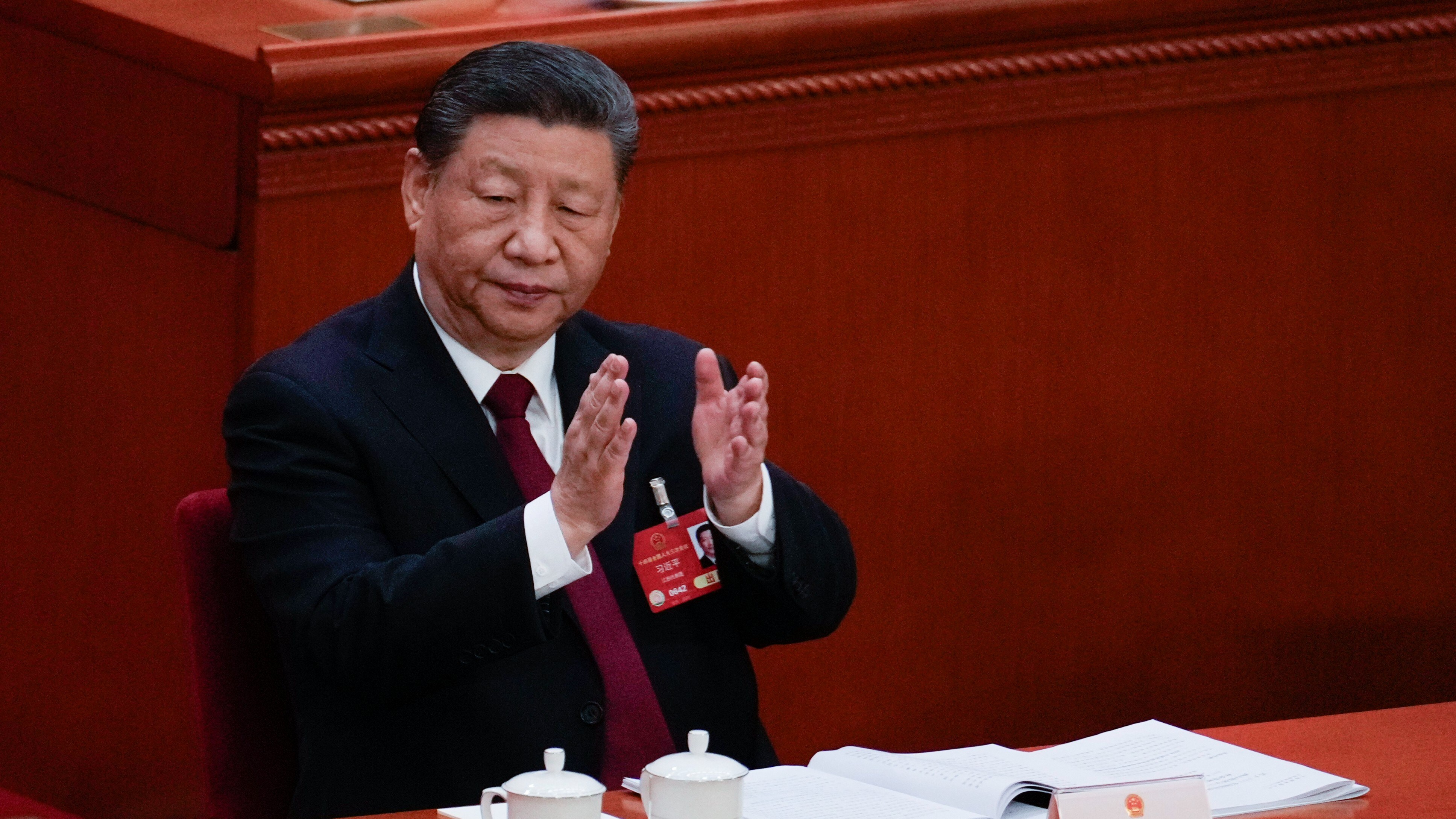
In a significant shift, China has placed boosting domestic consumption back as its top priority for 2025, according to Citi's analysis of the outcomes of the National People's Congress.
Premier Li Qiang presented the Government Work Report for 2025 on Wednesday, outlining 10 key work tasks for the government, with a strong emphasis on consumption, technology development and supply-side reform.
Boosting domestic consumption has returned to the number one work task from number three last year. This shift underscores the importance of consumption as a major driver of the growth in the gross domestic product, especially in light of uncertainties surrounding exports due to tariff increases, Citi said in a note.
The renewed focus on domestic consumption is expected to stimulate economic activity and support sustained growth.
Technology development remains a critical focus, related to the number-two and number-three work tasks. China aims to increase the core output of its digital economy to account for around 10% of the GDP output.
This highlights the importance of technology-related sectors, with Chinese President Xi Jinping recently meeting key personnel from the private sector, particularly those from the internet, technology and electric vehicle industries, to endorse the government's stance on private enterprises, the brokerage added.
Supply-side reform has been added as the number four work task, primarily to address overcapacity in sectors like solar and basic materials. The reform includes state-owned-enterprise reform and aims to tackle issues arising from slower demand, a high base, more trade barriers and changes in the economic mix.
China has set 10 economic and financial targets for 2025, with five being similar to last year. Four targets, including food production and energy consumption cut per unit of the GDP output, deficit to the GDP ratio and special-purpose bond issuance, are more ambitious, Citi said.
The consumer-price-index target is lower compared to 2024. These targets reflect China's adoption of more ambitious monetary and fiscal policies to ensure sustained economic growth and social stability.
Citi's analysis suggests that Hong Kong's and China's major indexes do not appear expensive, trading around historical means. The brokerage notes that China's alternatives to the US' top tech stocks are trading at significantly discounted valuations.
Citi has added Anta to its H-share Top Buys list, given the renewed focus on consumption. The brokerage remains overweight on internet, technology, and transportation (tourism-related) sectors for profit growth.

-
Foreign Investors Own Half Of HDFC Bank and ICICI Bank. An LTCG Cut Could Matter Most Here

Foreign portfolio investors have US$115 billion parked in HDFC Bank, ICICI Bank. If the government cuts long-term capital gains tax, Jefferies says returning foreign money could land here first.
-
'Never Seen This Level Of Negativity': Sandeep Tandon Says The Next Rally May Be Closer Than You Think
Veteran investor Sandeep Tandon says foreign selling is easing, large-caps are due a comeback and mid-caps are crowded, while he turns positive on gold, power and pharma this Diwali.
-
Indians Stay With Family, Not In Hotels | The Reason Why
India still lacks enough clean, reliable and affordable hotels for budget-conscious travellers.
-
The Economic Imperative: Analysing The Material Driving Force Behind India-Canada Strategic Reset
This economic complementarity is further reinforced by deep institutional investment ties and talent mobility, which form the bedrock of the bilateral framework.
-
Medicine Pricing: Where Must Profit Stop?
India must confront excessive margins, hidden incentives and regulatory gaps that threaten the integrity of medicine.
-
Why Amazon And Flipkart Are Struggling To Beat Meesho In India's Smaller Cities
With 274 million users and lowest-cost logistics, Meesho is defending its value commerce crown against giants like Amazon and Flipkart.
-
High US Salaries, No Green Card Certainty: The Financial Calculation Facing Indian H-1B Families
The suspension of PERM processing at eight technology employers does not cancel existing H-1B visas. What it does is force a question many Indian families have been avoiding: is the US salary worth tying your career and family plans to one employer?
-
Swiggy vs Eternal: Food Delivery's Two Rivals Are No Longer In The Same Race
Eternal is building a private AI assistant, dark.ai. Swiggy is still working out how to make Instamart pay, with an operating loss of Rs 895 crore in the July-September quarter while Blinkit stayed profitable.
-
Where You Live Shapes How You Get To Work | The Reason Why
Two-wheelers are the most popular way to get to work in India, accounting for nearly 43% of workplace commutes.
-
Unhedged Position: Can India See An Indonesia-Style Time Correction?
The Nifty is trading below levels it first clocked in 2024. Is there, then, as I have suggested in the headline, potential that the current time correction drags on painfully for the next three-five, even ten years?










