Charting The Global Economy: US Inflation Picks Up Before Tariffs
Consumer spending was weaker than expected again in February while a key inflation metric picked up, in a double whammy for the US economy before the brunt of tariffs.
Markets and world leaders are all bracing for next week, when President Donald Trump has planned a rollout of tariffs dubbed “Liberation Day” on April 2. He's already imposed some levies on Canada, whose economic growth came to a halt in February after a solid start to the year.
Here are some of the charts that appeared on Bloomberg this week on the latest developments in the global economy, markets and geopolitics:
US & Canada
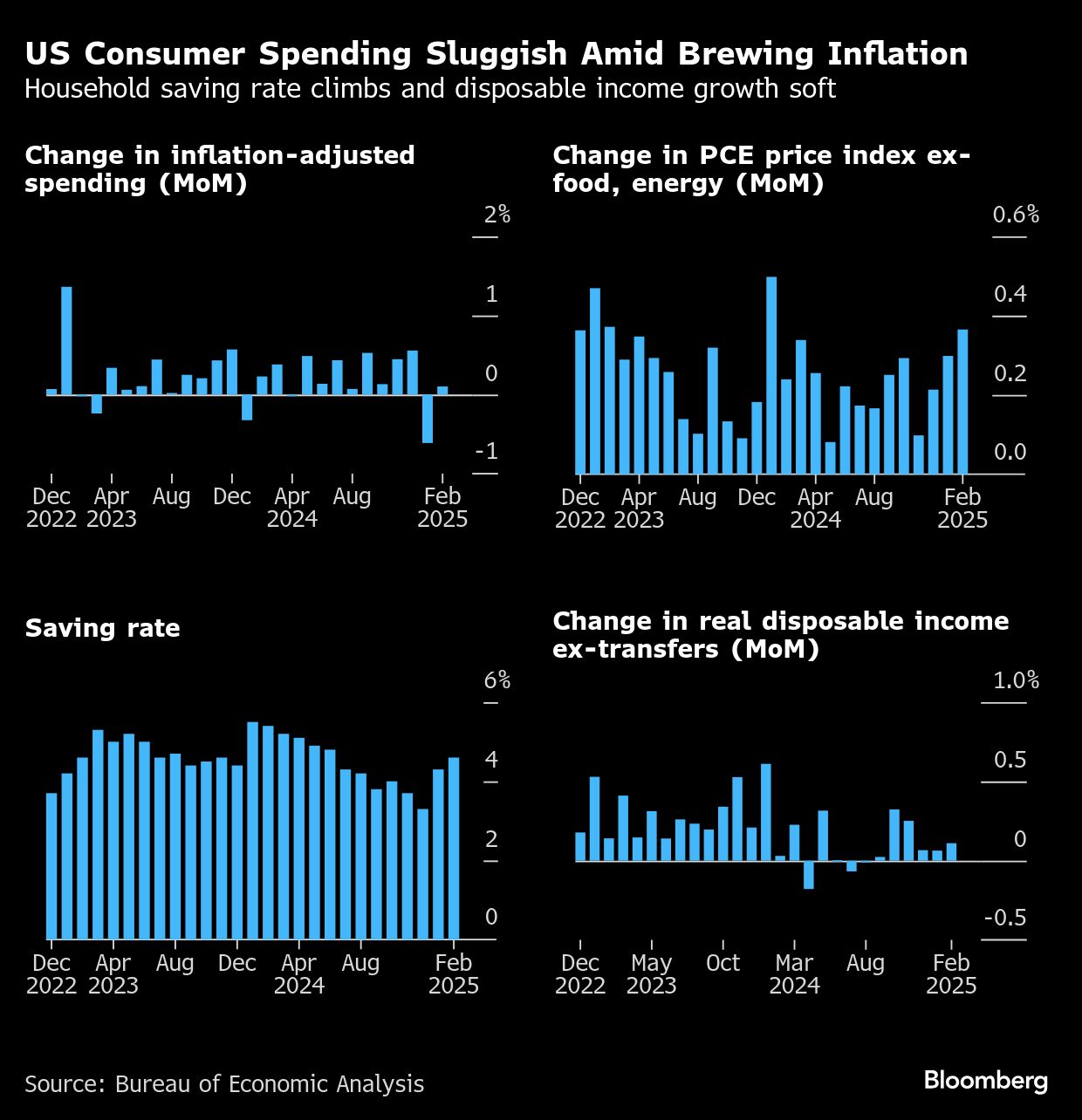
Inflation-adjusted consumer spending edged up 0.1%, on the low end of economists' estimates, after a slump January that analysts mostly blamed on bad weather. The so-called core personal consumption expenditures price index, which excludes food and energy items, was up 2.8% from last year, remaining stubbornly above the Federal Reserve's 2% target.
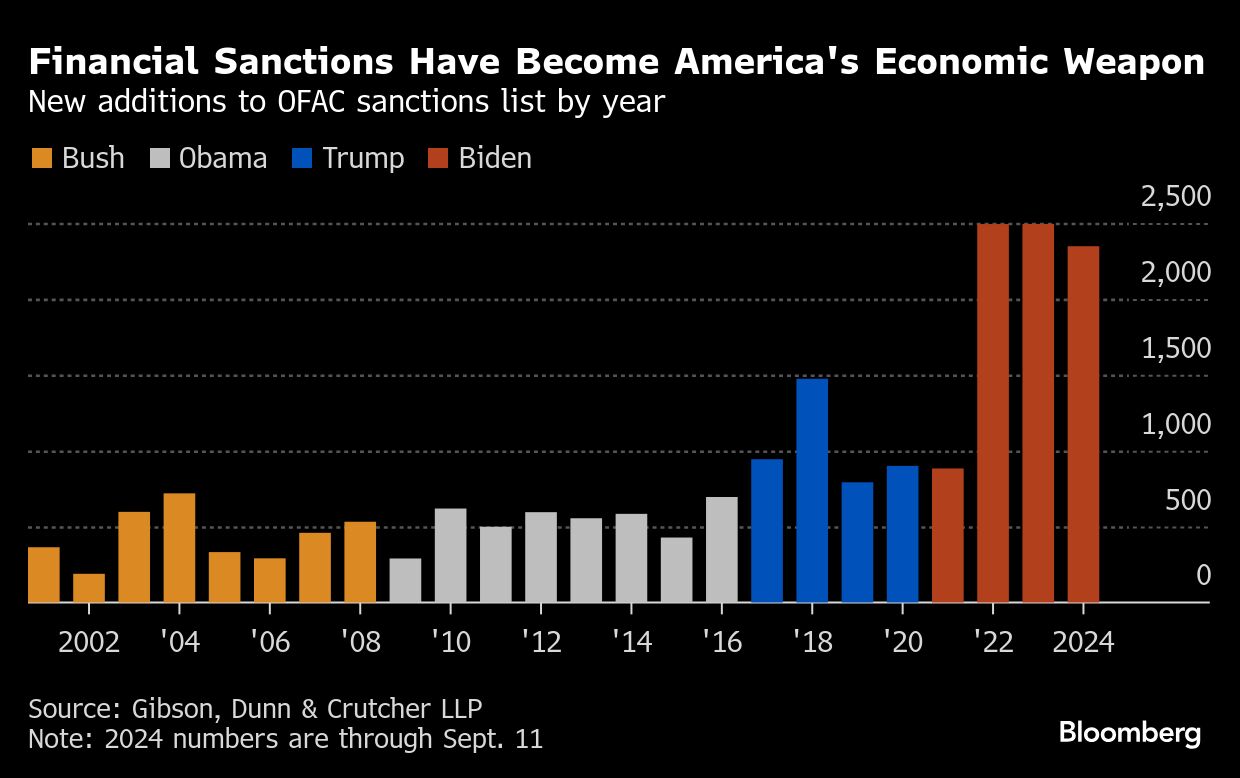
Trump appeared to invent a new weapon of economic statecraft on Monday by threatening what he dubbed “secondary tariffs” on countries that buy oil from Venezuela to choke off its oil trade with other nations. The novel approach adds to a growing list of weapons that Trump has been eager to deploy as part of a push to use America's economic clout as leverage in achieving its foreign and domestic policy goals.
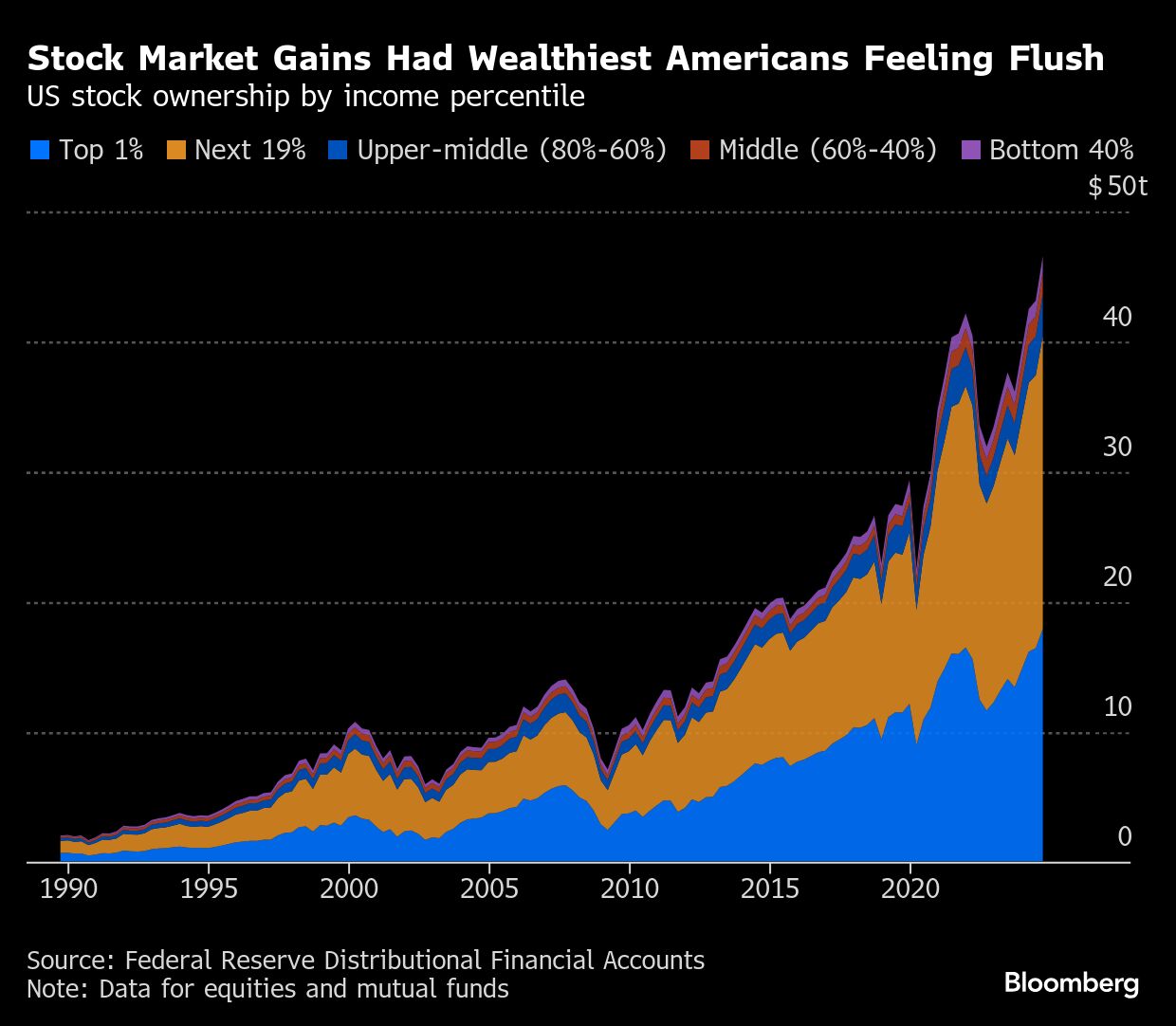
The stock market volatility set off by concerns over Trump's rapidly shifting trade war threatens one of the primary growth engines of the US economy: spending by high-income earners.
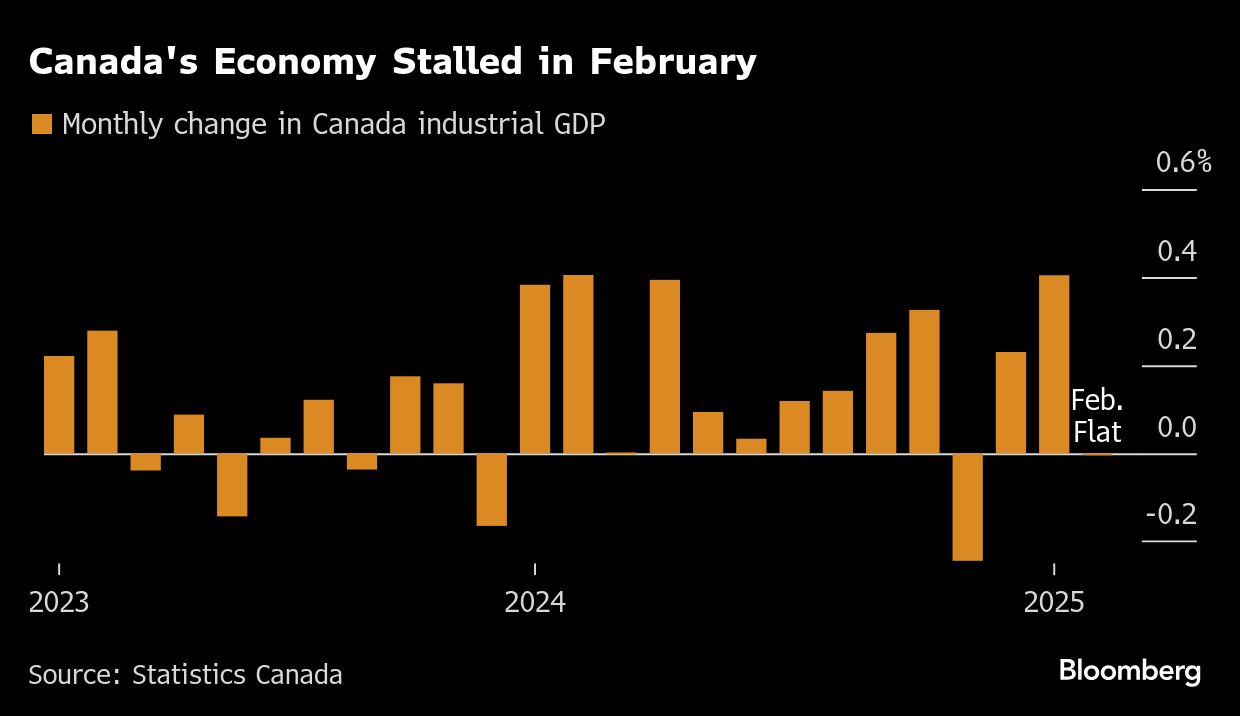
Trump's administration has already imposed tariffs on some products the US buys from Canada, and further levies expected in coming weeks — if sustained — will likely plunge the economy into recession. With Canada's retaliatory tariffs raising prices for imports, there's risk that inflation may rise above the bank's upper target range of 3%.
Europe
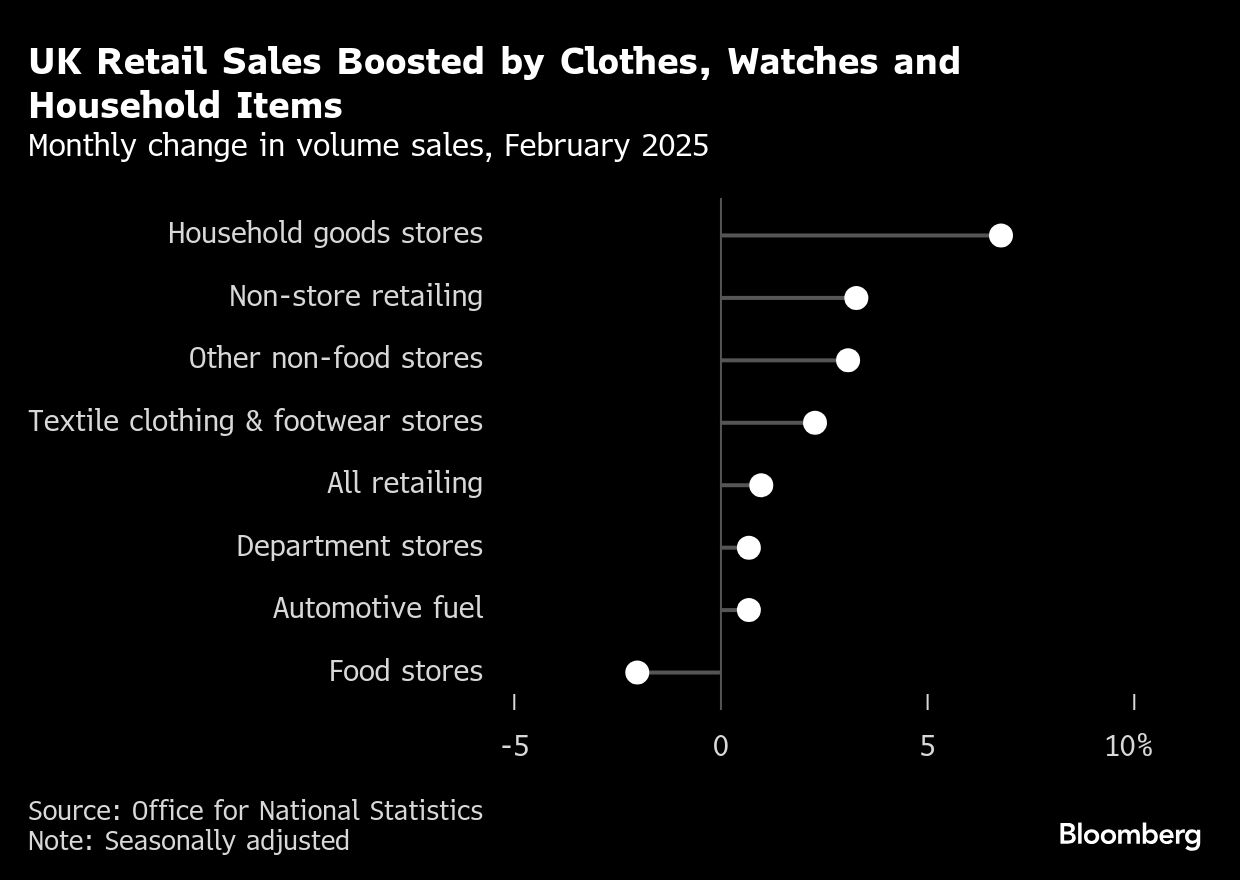
UK retail sales have risen strongly since the start of 2025 in a sign that households are beginning to spend the pot of savings they built up last year. Sales of household goods climbing almost 7%, the largest increase since April 2021. Jewelery, watches and clothes also saw a bounceback in demand.
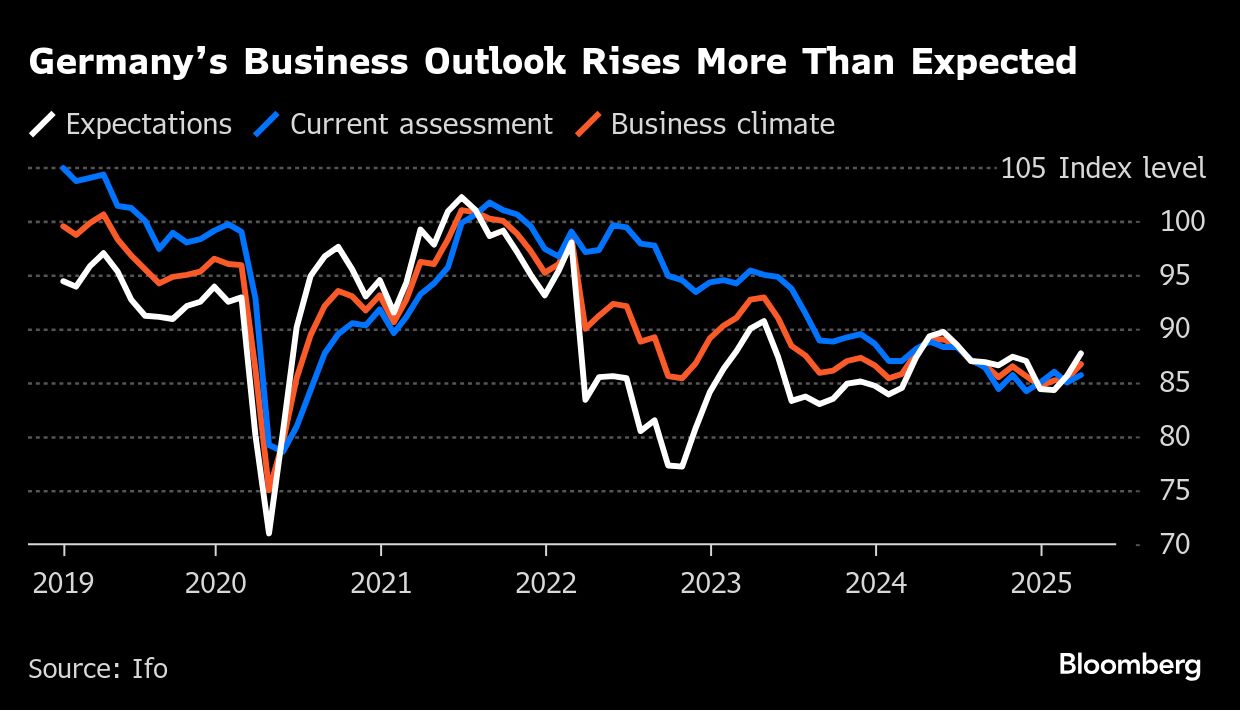
German business optimism rose to the highest level since June 2024 as Chancellor-in-waiting Friedrich Merz readies hundreds of billions of euros of spending to modernize the economy. The prospects for Europe's biggest economy have improved after last month's election and Merz's subsequent pledge to shore up Germany's aging infrastructure and military.
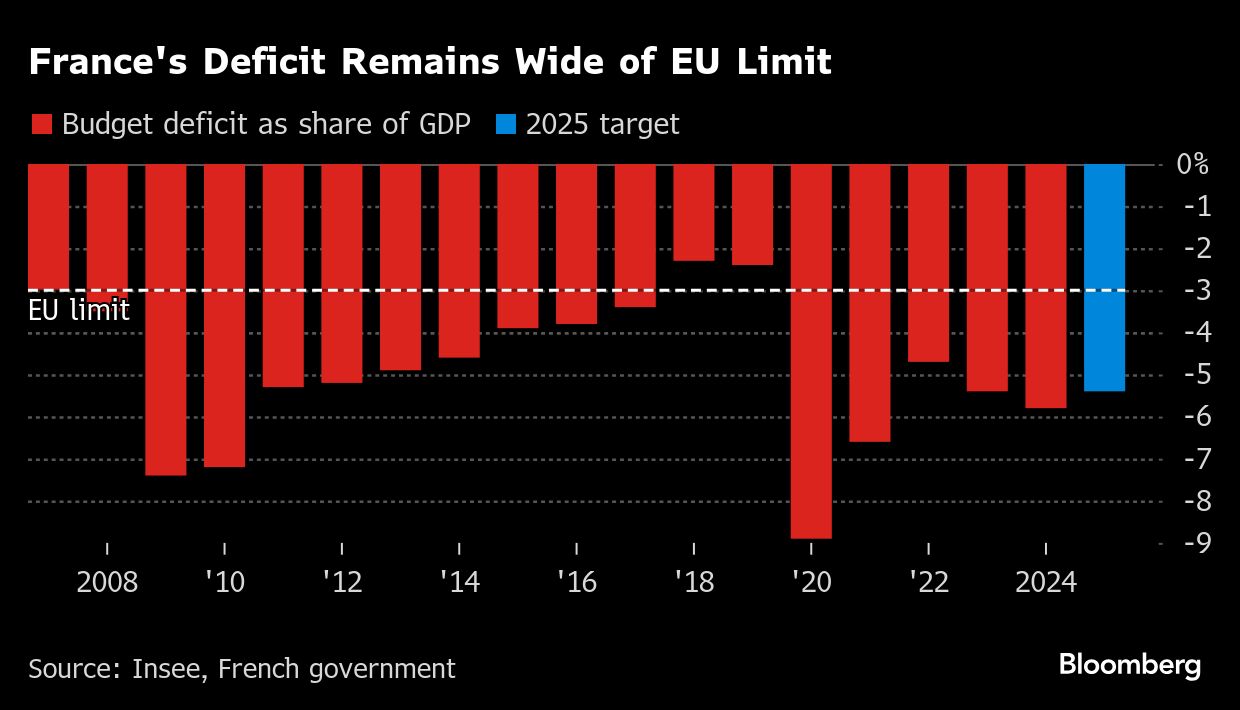
France's 2024 budget deficit was narrower than expected, giving the government some breathing room as it struggles to lower its debt load.
Asia
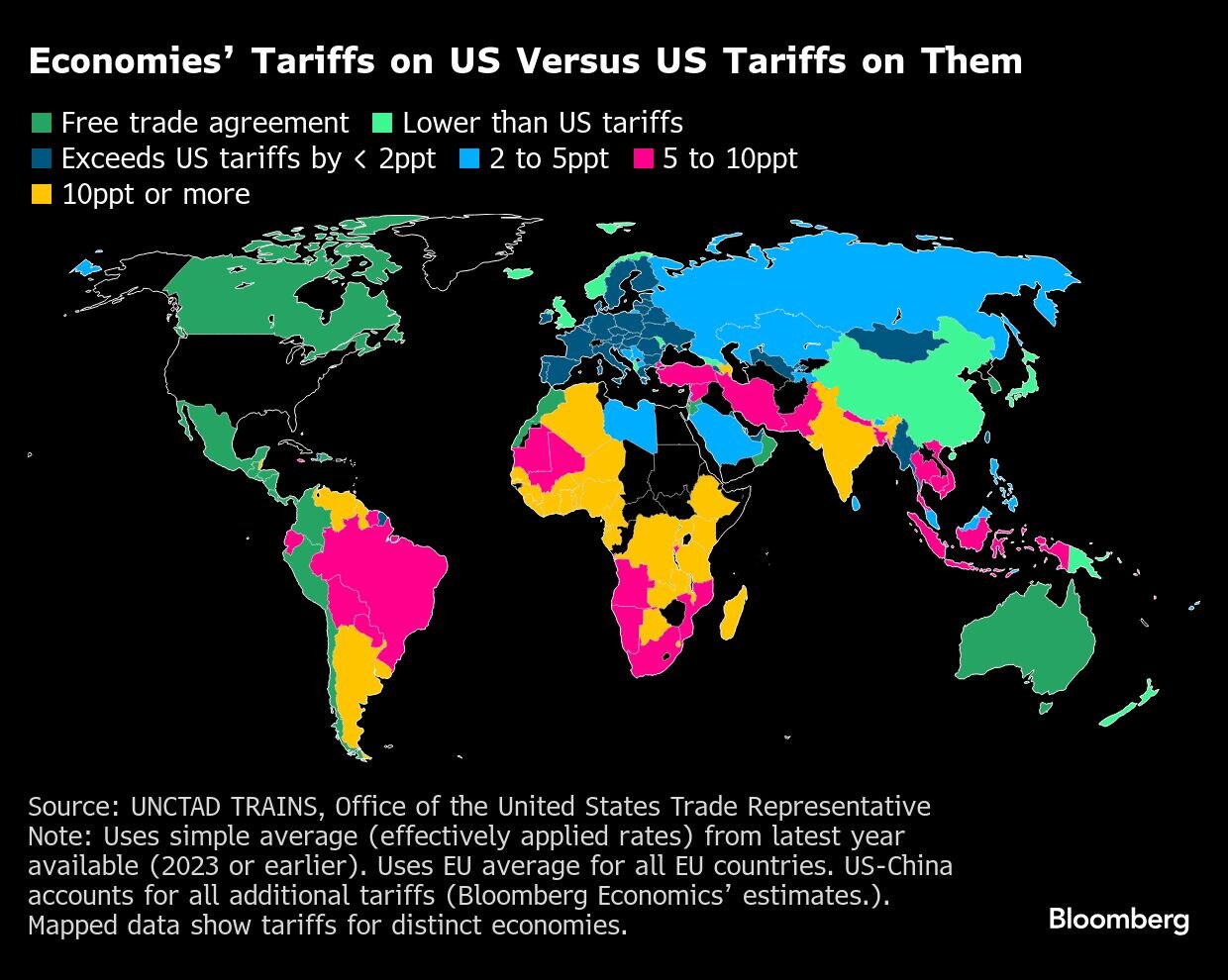
India is reviewing US demands it cut import duties on farm goods and significantly reduce other barriers, people familiar with the matter said, as officials in New Delhi press for an exemption from Trump's reciprocal tariffs next week.
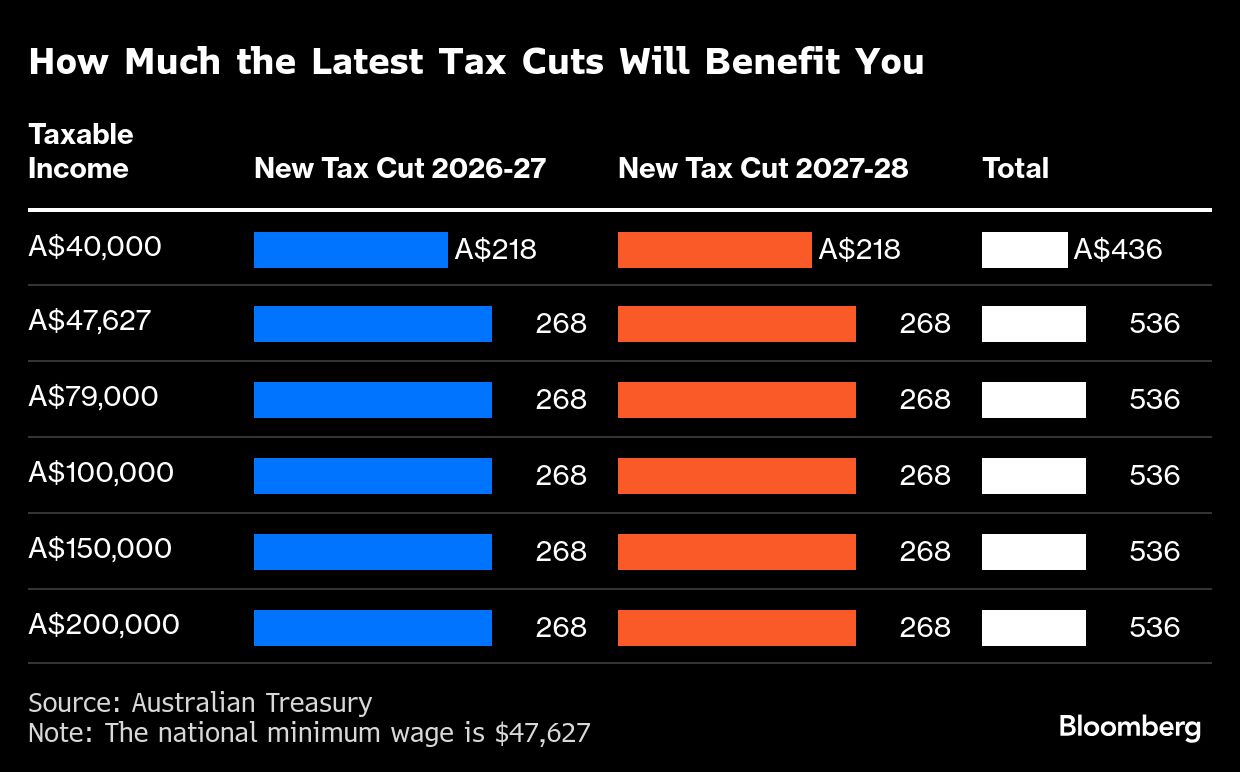
Australia's center-left government unveiled an unexpected tax cut and an extension of energy rebates in a pre-election budget designed to sooth voters' cost-of-living concerns and help secure Prime Minister Anthony Albanese a second term in office.
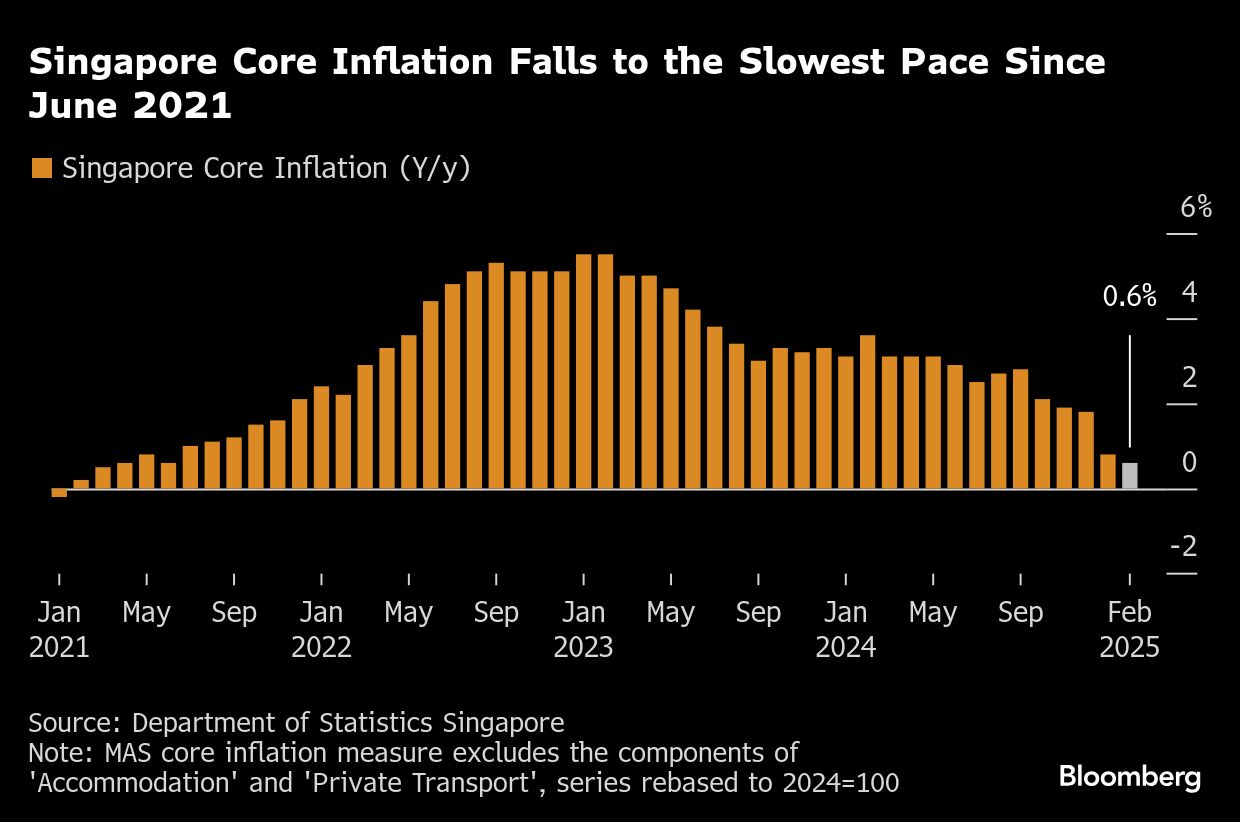
Singapore's key inflation gauge continued to ease from the previous month as food, recreation and culture prices slowed.
Emerging Markets
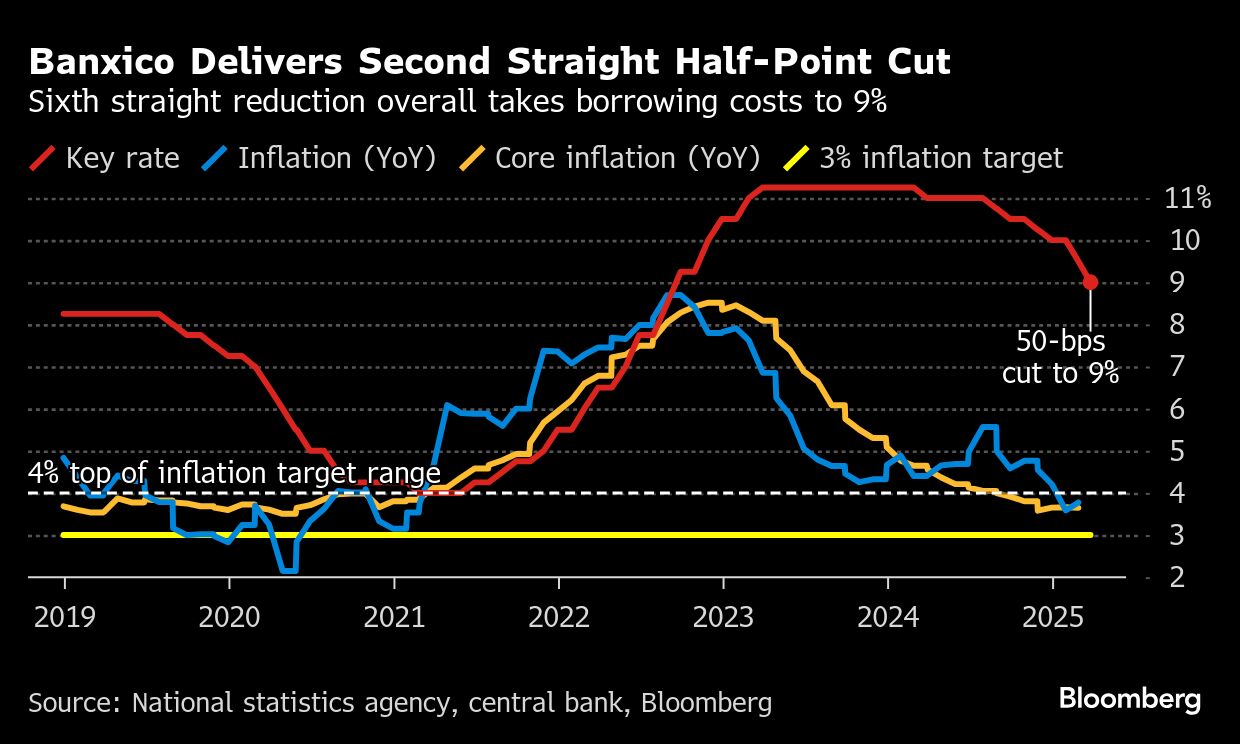
Mexico lowered borrowing costs by a half-point Thursday, as inflation continues to slow and the country's economy faces the threat of more US tariffs. Banxico, as the central bank is known, reduced borrowing costs to 9%, delivering the second straight half-point cut after months of smaller monetary policy adjustments.
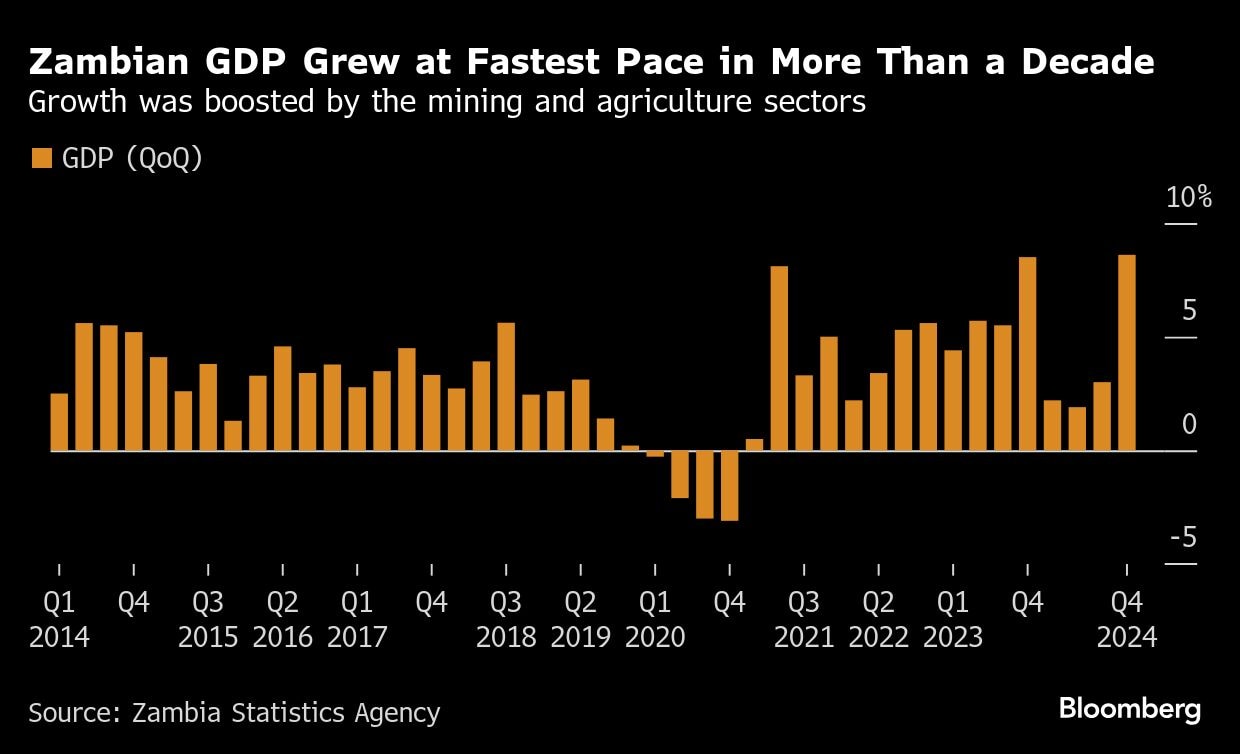
Zambia's economy grew more than expected last year, eclipsing estimates by the government and the International Monetary Fund. Output was buoyed by a rebound in the farming sector, as the southern African nation recovered from its worst drought in more than a century, and a strong performance by the mining industry.
World
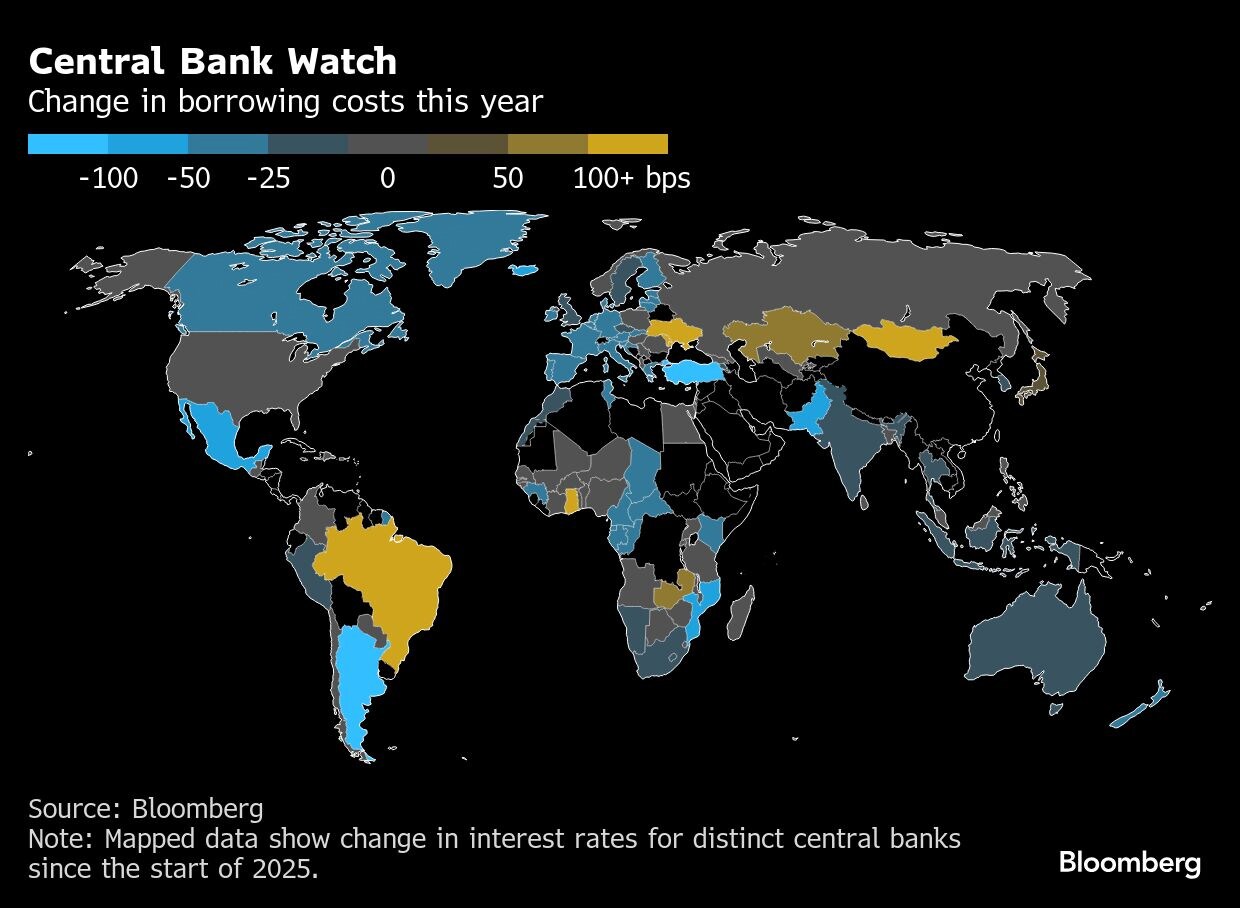
Norway delayed a long-communicated rate cut until later this year, while the central banks of Hungary, Czech Republic, Sri Lanka, Lesotho and Guatemala also kept borrowing costs unchanged. Mozambique's central bank lowered rates for an eighth straight meeting, while the Bank of Central African States and Tunisia also cut. Ghana unexpectedly hiked.
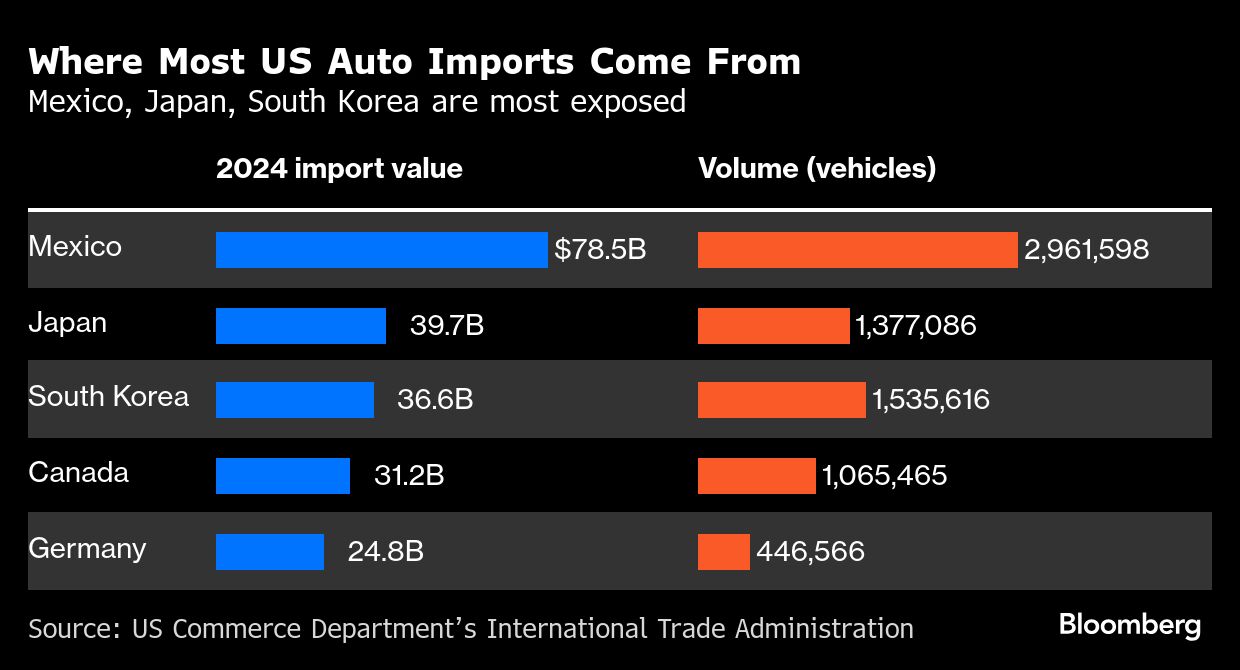
Trump signed a proclamation to implement a 25% tariff on auto imports and pledged harsher punishment on the EU and Canada if they join forces against the US.

-
Gold Is Rs 22,000 Cheaper Than A Month Ago. Should You Buy Amid The Wedding Season?

Gold's potential slide to $3,500 could save around Rs 4,700 per 10 grams, but a soft inflation print could just as easily push prices back up. One way to split the risk is to buy in parts, some now and the rest after the Fed's Dec. 9 decision.
-
AI Agents Are Gaining Power. Who Governs Them?
Artificial intelligence agents promise to transform productivity by moving machines from assisting decisions to executing them. But as organisations delegate greater authority to these AI-agents, they must first establish who controls that authority and who remains accountable when things go wrong.
-
Why Swapping Your Old Gold Can Trigger A Rs 5 Lakh Tax Bill, And How You Can Avoid It Legally
Swapping old gold for new is taxed as a sale and a fresh purchase. Getting your own gold remade can cut most of that bill, though it has its own costs.
-
The AI Trade is Done. The Real Opportunity for Investors Starts in 2027 | Unhedged Position
As pureplay AI stocks plunge and circular, capex-led financing unwinds, 2027 is set to be a year of reckoning for AI companies. Yet the bust clears the way for a better opportunity for investors in 2027 -- shifting the spotlight from AI builders to the companies using AI.
-
Leadership As Mission: Why The Age Of AI Demands More Human Leadership
Debjani Ghosh examines how AI is changing leadership, arguing that its success must be measured by its impact on people and the accountability of those guiding its use.
-
We May Need Another Tukaram Mundhe To Fight Air Pollution | The Reason Why
Developers may install basic measures such as sprinklers and green nets, resume work, and continue violating rules when this equipment stops working.
-
Extracting Value From Battery Scrap Could Be Challenging For India | The Reason Why
A discarded lithium-ion battery still contains valuable materials such as lithium, nickel and cobalt. These can be recovered and reused. When such batteries are crushed and shredded, they produce a dark powder called black mass.
-
One El Nino, India Can Handle. Two Could Break The Granary
India's grain stocks can absorb one bad year, but a second El Nino could drain the buffer in two to three years, economists say.
-
India's Troika Of Good Luck | Joining The Dots
As Jensen Huang's exit drags Nvidia down, a cooling AI trade and resilient earnings have revived investor interest in India. A likely RBI rate hike looms.
-
Talking Points This Week: Leadership Shock At Nvidia, Earnings Strength, And The Fog Over Hormuz
The Anthropic IPO pricing and first trading day, Nvidia's upcoming earnings, and any fresh signals from Iran will set the tone for the following week.









