BOJ Deputy Chief Hints That Negative Rate End May Be Closer

(Bloomberg) -- Bank of Japan Deputy Governor Ryozo Himino signaled that the central bank is inching closer to putting an end to the world's last negative interest rate regime by laying out a hypothesis for what might happen if indeed rates go positive.
While Himino reiterated a standard pledge to continue with monetary easing until the BOJ achieves its goal of sustainable inflation with wage increases, he then outlined the various potential impacts that would follow an exit from large-scale stimulus partly by examining what happened when rates went negative.
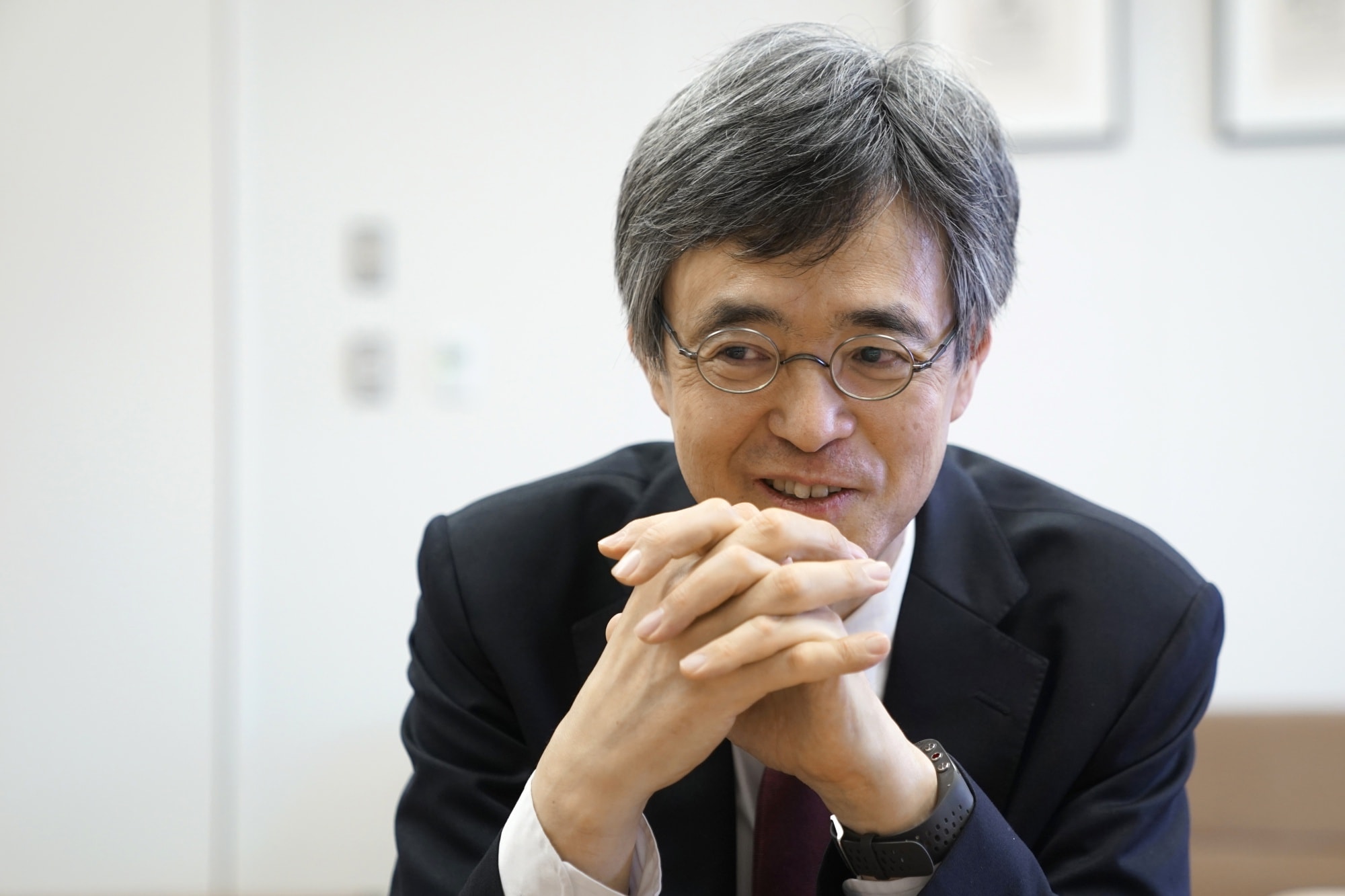
“Today, I would like to offer one perspective by looking at what happened to net interest income for relevant sectors in the past during the transition from a state with positive interest rates to a state without them,” Himino said in a speech Wednesday to local business leaders in Oita, southwestern Japan.
Himino indicated that the first rate hike since 2007 might not be as harmful as some have feared. Himino said households would probably benefit from improved net income if rates moved to positive territory and the impact on the corporate sector would likely be limited. He also said the financial system is resilient enough to cope with that transition.
The comments were the clearest sign so far from the BOJ's leadership that authorities are considering what the impact would be if they ended negative rates. The views will likely reinforce expectations among BOJ watchers that the bank will end negative rates by the middle of next year.
Himino appeared intent on soothing any jitters among Japanese over the prospects of ending the BOJ's massive stimulus program, which included taking rates negative in early 2016.
If it's done properly, “there would be a sufficient possibility of achieving a positive outcome from the exit, since a wide range of households and firms would benefit from the virtuous cycle between wages and prices,” Himino said.
Financial institutions might face unrealized losses on holdings of long-term bonds, but they'd also have the opportunity to raise their investment yields by replacing the bonds they hold with new ones, he said.
Japan's regional banks called on the BOJ to scrap its negative interest rate when executives met with central bank officials last month, people familiar with the matter told Bloomberg.
Read More: Japan Regional Banks Asked Ueda to Scrap Negative Interest Rate
Speaking to reporters later the same day, Himino stopped short of indicating a possible timeframe for starting the exit, saying there is no preset schedule for that process and the bank will carefully assess economic conditions before embarking upon it.
At one point market players were betting the negative rate policy would end in April. Overnight-indexed swaps now estimate the policy will end in July. Swaps show cumulative rate hikes of 21 basis points by the end of next year.
--With assistance from Sumio Ito.
(Adds remark from Himino's press conference in 10th paragraph)
More stories like this are available on bloomberg.com
©2023 Bloomberg L.P.

-
Indians Stay With Family, Not In Hotels | The Reason Why

India still lacks enough clean, reliable and affordable hotels for budget-conscious travellers.
-
The Economic Imperative: Analysing The Material Driving Force Behind India-Canada Strategic Reset
This economic complementarity is further reinforced by deep institutional investment ties and talent mobility, which form the bedrock of the bilateral framework.
-
Medicine Pricing: Where Must Profit Stop?
India must confront excessive margins, hidden incentives and regulatory gaps that threaten the integrity of medicine.
-
Why Amazon And Flipkart Are Struggling To Beat Meesho In India's Smaller Cities
With 274 million users and lowest-cost logistics, Meesho is defending its value commerce crown against giants like Amazon and Flipkart.
-
High US Salaries, No Green Card Certainty: The Financial Calculation Facing Indian H-1B Families
The suspension of PERM processing at eight technology employers does not cancel existing H-1B visas. What it does is force a question many Indian families have been avoiding: is the US salary worth tying your career and family plans to one employer?
-
Swiggy vs Eternal: Food Delivery's Two Rivals Are No Longer In The Same Race
Eternal is building a private AI assistant, dark.ai. Swiggy is still working out how to make Instamart pay, with an operating loss of Rs 895 crore in the July-September quarter while Blinkit stayed profitable.
-
Where You Live Shapes How You Get To Work | The Reason Why
Two-wheelers are the most popular way to get to work in India, accounting for nearly 43% of workplace commutes.
-
Unhedged Position: Can India See An Indonesia-Style Time Correction?
The Nifty is trading below levels it first clocked in 2024. Is there, then, as I have suggested in the headline, potential that the current time correction drags on painfully for the next three-five, even ten years?
-
Navigating Friction And Energy Realities: An Analysis Of Marco Rubio's October Visit To India
Occurring at a critical juncture marked by stalled trade negotiations and escalating geopolitical pressures over global energy supplies, the visit offers a profound window into modern US-India relations.
-
India Exports Capital. Why Not Export Trusteeship?
The big question, then, is whether India can build an institution that global borrowers, investors, banks, and lawyers can trust, even without an Indian connection.










