Scientists Revive Extinct Dire Wolves After 12,500 Years Using Ancient DNA
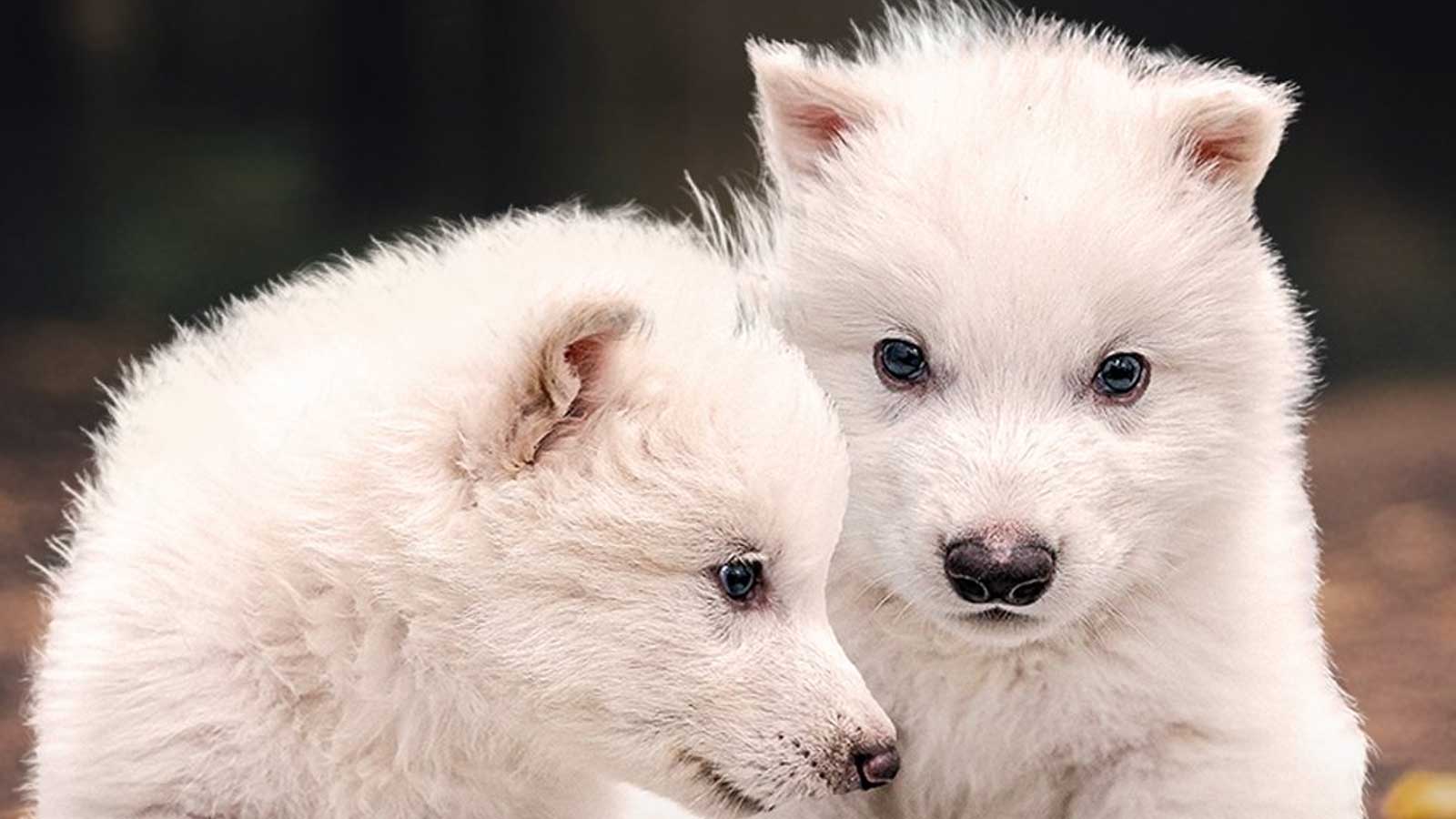
Scientists have brought the long-extinct dire wolf back to life, achieving a milestone in the domain of genetic engineering. The achievement opens the door for new possibilities as well as questions about the future of de-extinction.
Two pups, named Romulus and Remus, have emerged as the first living examples of the species in over 12,000 years. Just six months old, they already weigh over 36 kilograms and measure nearly four feet in length, showcasing their striking resemblance to the fierce predator that once roamed North and South America, according to TIME.
The revival has been headed by Texas-based biotech firm Colossal Biosciences, which used DNA recovered from ancient remains to recreate the dire wolf genome. The process involved combining gene-editing tools, cloning and the DNA of the dire wolf's closest living relative — the grey wolf.
Meet Romulus and Remus—the first animals ever resurrected from extinction. The dire wolf, lost to history over 10,000 years ago, has returned. Reborn on October 1, 2024, these remarkable pups were brought back to life using ancient DNA extracted from fossilized remains.
April 7, 2025
Watch… pic.twitter.com/XwPz0DFoP5The dire wolf, made popular in recent years by Game of Thrones, originally became extinct nearly 12,500 years ago, according to a report in CNN. However, extensive fossil evidence across the Americas gave the researchers a genetic starting point.
“The idea that we could just take a vial of blood, isolate EPCs, culture them and clone from them, and they have a pretty high cloning efficiency – we think it's a game changer,” said George Church, Colossal co-founder and professor of genetics at both Harvard University and the Massachusetts Institute of Technology, reported TIME.
While Romulus and Remus are physically strong and living under close supervision, their behaviour remains different from modern wolves. The usual joyful behaviour seen in puppies — running up for cuddles and belly rubs — is entirely missing. Instead, they maintain a distance, often backing away when approached. Even their primary caretaker, who has raised them since birth, can only get so close before they flinch and retreat. This reserved, instinct-driven response is not that of a domesticated dog — it's the behaviour of a truly wild wolf.
The pups were initially fed by a surrogate and later bottle-fed by Colossal's team. They currently reside in a secure, undisclosed 2,000-acre site, surrounded by 10-foot fences and monitored around the clock by drones and live security feeds.
A third pup, a female, was born earlier this year, bringing the number of revived dire wolves to three. The births occurred on Oct. 1, 2024, and Jan. 30, 2025, respectively.
Colossal Biosciences considers the development a major success in its broader mission. The company is also working on bringing back other extinct species, including the woolly mammoth, dodo, and Tasmanian tiger, though with mixed results so far.
The announcement has also captured the imagination of the public and global leaders. Elon Musk, founder of Tesla and SpaceX, reshared the news on X (formerly Twitter), posting, “Please make a miniature pet woolly mammoth.”
Please make a miniature pet wooly mammoth https://t.co/UxoIWmzq6h
April 7, 2025What this revival means is that, for now, Romulus and Remus stand as living proof that extinction may no longer mean forever.

-
Signature Play: The Classic Cocktail Is Dead. Or Is It?

Classic cocktails are disappearing from India's cocktail menus. But they're still being ordered, taught to bartenders and borrowed from. So, who's really having the last drink?
-
A New Samvat Wishlist: Inclusive Prosperity And Human Development
India has strengthened its economic foundations through infrastructure, digital access and enterprise. Its next growth chapter must deepen productivity, create better livelihoods and widen participation in prosperity.
-
Love, Sex Aur Dhokha: The Audacious Plot To Spy On Jensen Huang
A Taipei dinner, a Singapore chip buyer and a suspected Chinese asset: inside the alleged spy operation that got close to NVIDIA's Jensen Huang.
-
Ten Things I Learnt This Samvat
Patience can be a trap. Cheap stocks can stay cheap. Leverage can wipe you out. What did Samvat 2082 teach us? Niraj Shah writes on 10 lessons from the year gone by.
-
Talking Points This Week: Tech Nerves, FII Buying, And A Faraway Banking Shock
The global markets are not shining this Diwali. The exception in the large markets is, India.
-
Midterm Rally Lasted A Day. The Hard Reality Of A Divided US May Last Two Years | Opinion
Between a contested AI boom, a debt ceiling that arrives in 2027 and a president with every incentive to act alone, the next two years may prove more volatile than the first day's rally suggests.
-
Blue Wave Will Derail the AI Trade but Won't Dismantle the AI Era | Unhedged Position
The Democrats' sweep of the US Congress will see politics collide with economic forces both over the long and short term.
-
It's Time To Take The GST Council's Bet On Trust Global
Payment records can prove India's services exports, and clear, proportionate rules can bring foreign digital sellers into the tax net.
-
Opinion | India at 38: From Innovation Overperformer to Innovation Powerhouse
India now has 453 VC-backed deep science startups, 18 of them late-stage, after 117 percent growth since 2020. Laurus Labs, at USD 9.3 billion, is the most valuable deep science company in any middle-income economy outside China.









