Try An Emoji To Ward Off 'Emotional Overhead' — Hidden Cost Of Miscommunication
The last time your manager texted you "We need to discuss something tomorrow" or a Google Meet was scheduled out of nowhere without an appropriate agenda or even a proper subject, did you lose your sleep trying to figure out what it was all about?
Did you start thinking, "What blunder did I commit at work?" or "Is my tech job in the balance?" or "Were my numbers low this week?"
More than that, did you lose those critical working hours contemplating all the dreaded scenarios possible? If yes, you're not alone.
More than one-third of the workforce is losing over 40 hours a year trying to decode and interpret what their colleagues or superiors are trying to say—essentially equating to a full work week lost—a new study by Atlassian has found. And if you're imagining that you could've exchanged that full week lost over miniscule matters with a beachside vacation, you're probably wishful but not wrong.
"This is what we call 'emotional overhead', the wasted time and emotional turmoil caused by unclear or ambiguous communication," says Molly Sands, head of Teamwork Lab, Atlassian.
Emotional overhead is costing businesses valuable time and productivity. "In the time that knowledge workers are wondering what their colleagues mean to say or what their manager wants from them, they could be doing mission-critical work," added Sands.
In the increasingly digital workplace, impersonal communication doesn't allow you to judge the situation any better. At the end of it all, your manager might just wish to discuss some new verticals getting added to the process, and your aggravation was all for nothing.
Written Communication Most Susceptible To Confusion
It's not just casual communication that can be misinterpreted. Around 93% participants in the Atlassian study regularly rely on written communication tools like email and instant messaging. Yet, 61% also admit that written communication is most susceptible to miscommunication, highlighting the need for greater clarity and intentionality in digital messaging.
It's because written communication can often be impersonal or inexpressive. "Without precise, expressive writing, it can be hard to know what's important, how urgent something is, or how your colleagues feel. With so much work happening online today, we can't always rely on body language and tone of voice to convey meaning," says Sands.
Emotions (And Emojis) Matter!
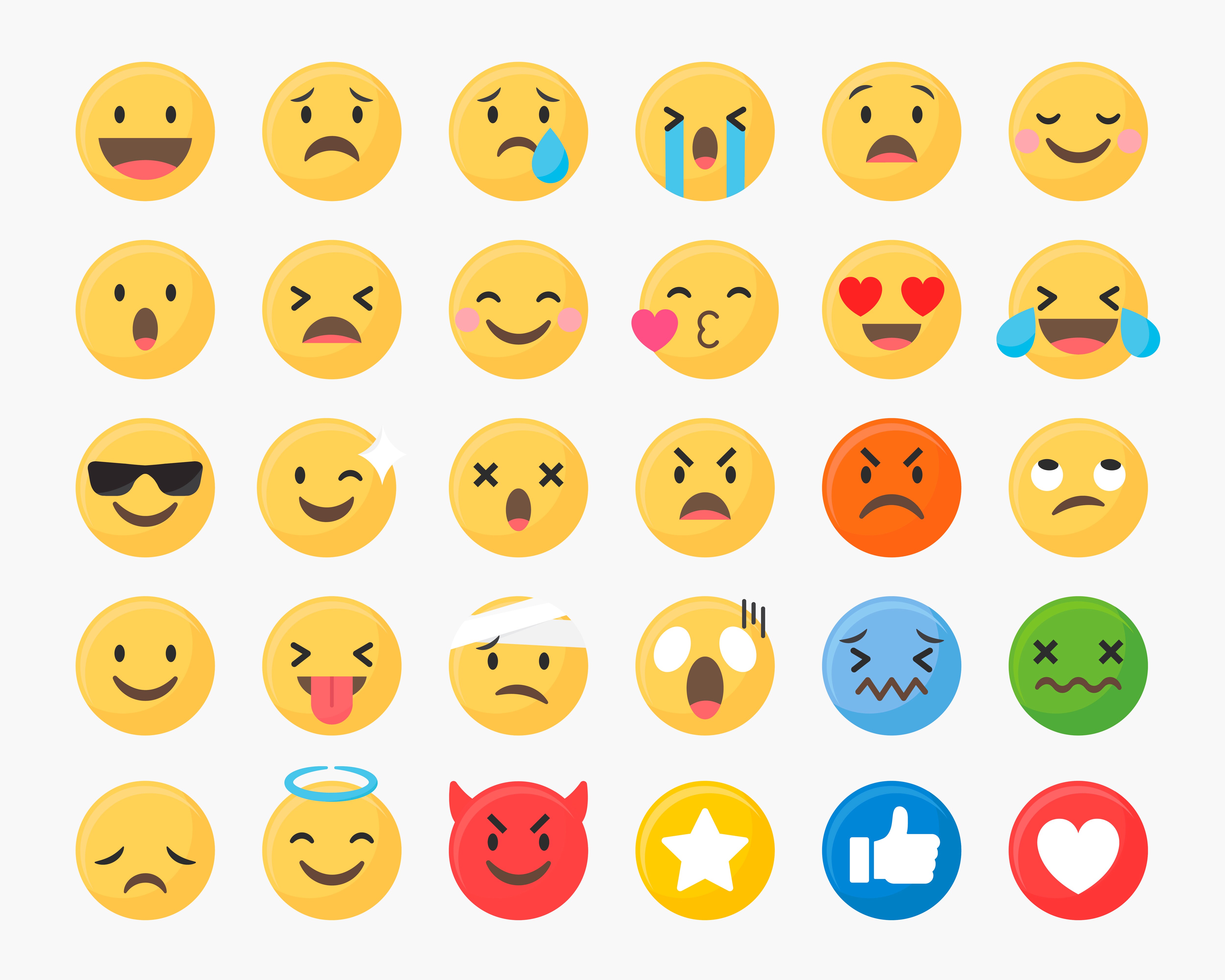
Emojis can—perhaps surprisingly—play an important role in company culture. When teams communicate with emotion, workers are three times more likely to be productive. In fact, 78% of study respondents admitted they're more likely to read a chat message with emojis or open an email if there's one in the subject line. Of those surveyed, as many as 65% used emojis to convey their intended tone or set the vibe.
Unsurprisingly, there is a generational divide here, with only 49% of Boomers agreeing, as compared to 88% of Gen Z workers, that emojis are useful when interacting with co-workers. According to 68% of Gen Z, messages with emoji reactions also make them feel more motivated.
"Teams need to communicate with thoughtfulness, humanity and intention. The emotional side of communication must come through—even in the workplace," says Sands.
So yes, a bit of 'meh', 'grimace', 'frown', 'smile' and 'bigger smile' can make the communication all the more expressive, motivating and impactful.
How To Avoid Emotional Overhead?
Atlassian also examined written communication practices in high-performing teams and discovered several patterns. The most productive teams:
Are less likely to use email as the default for communicating.
Prefer written communication, especially when clarity is the priority.
Are encouraged to express emotion at work and feel connected to each other.
Are more likely to work in environments where emojis are a part of the company culture.
Consequently, these teams save time by not wasting it attempting to decipher written messages or determine what their manager desires. In simple terms, they have very little emotional overhead.

-
Signature Play: The Classic Cocktail Is Dead. Or Is It?

Classic cocktails are disappearing from India's cocktail menus. But they're still being ordered, taught to bartenders and borrowed from. So, who's really having the last drink?
-
A New Samvat Wishlist: Inclusive Prosperity And Human Development
India has strengthened its economic foundations through infrastructure, digital access and enterprise. Its next growth chapter must deepen productivity, create better livelihoods and widen participation in prosperity.
-
Love, Sex Aur Dhokha: The Audacious Plot To Spy On Jensen Huang
A Taipei dinner, a Singapore chip buyer and a suspected Chinese asset: inside the alleged spy operation that got close to NVIDIA's Jensen Huang.
-
Ten Things I Learnt This Samvat
Patience can be a trap. Cheap stocks can stay cheap. Leverage can wipe you out. What did Samvat 2082 teach us? Niraj Shah writes on 10 lessons from the year gone by.
-
Talking Points This Week: Tech Nerves, FII Buying, And A Faraway Banking Shock
The global markets are not shining this Diwali. The exception in the large markets is, India.
-
Midterm Rally Lasted A Day. The Hard Reality Of A Divided US May Last Two Years | Opinion
Between a contested AI boom, a debt ceiling that arrives in 2027 and a president with every incentive to act alone, the next two years may prove more volatile than the first day's rally suggests.
-
Blue Wave Will Derail the AI Trade but Won't Dismantle the AI Era | Unhedged Position
The Democrats' sweep of the US Congress will see politics collide with economic forces both over the long and short term.
-
It's Time To Take The GST Council's Bet On Trust Global
Payment records can prove India's services exports, and clear, proportionate rules can bring foreign digital sellers into the tax net.
-
Opinion | India at 38: From Innovation Overperformer to Innovation Powerhouse
India now has 453 VC-backed deep science startups, 18 of them late-stage, after 117 percent growth since 2020. Laurus Labs, at USD 9.3 billion, is the most valuable deep science company in any middle-income economy outside China.









