The Man Behind Orkut Says His ‘Hello’ Platform Doesn’t Sell User Data
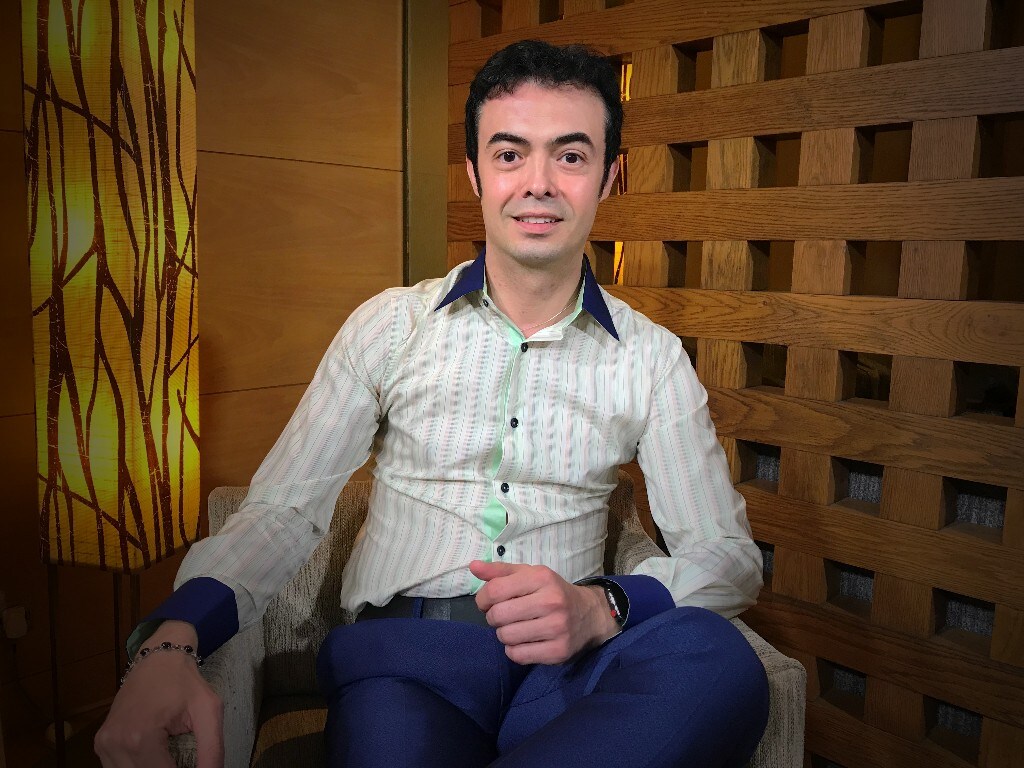
In 2004, one of the world's most popular social networks, Orkut, was founded by a former Google employee named Orkut Büyükkökten. Later that year, a Harvard University student named Mark Zuckerberg launched ‘the Facebook', which over the course of a year became ubiquitous in Ivy League universities and was eventually called Facebook.com.
Orkut was shut down by Google in 2014, but in its heyday, the network had hit 300 million users around the world. Facebook took five years to achieve that feat. At a time when the #DeleteFacebook movement is gaining traction worldwide in light of the Cambridge Analytica scandal, Orkut has made a comeback by launching a new social network in India. Say hello to “Hello”.
#hello is now available in #India! Connect with people who share your interests on the #helloapp: https://t.co/YM5fvymrkV #orkut pic.twitter.com/KNUrMrKUwt
April 11, 2018“Hello.com is a spiritual successor of Orkut.com,” Büyükkökten told BloombergQuint. “The most important thing about Orkut was communities, because they brought people together around topics and things that interested them and provided a safe place for people to exchange ideas and share genuine passions and feelings. We have built the entire ‘Hello' experience around communities and passions and see it as Orkut 2.0.”
Orkut has decided to make a comeback when Mark Zuckerberg, founder and CEO of Facebook, has been questioned by U.S. congressmen and senators about its policies and data collection and usage practices. That came after the Cambridge Analytica data leak which impacted nearly 87 million users, including Zuckerberg himself.
“People have lost trust in social networks and the main reason is social media services today don't put the users first. They put advertisers, brands, third parties, shareholders before the users,” Büyükkökten said. “They are also not transparent about practices. The privacy policy and terms of services are more like black boxes. How many users actually read them?”
Büyükkökten said users need to be educated about these things and user consent is imperative in such situations when data is shared by such platforms. “On Hello, we do not share data with third parties. We have our own registration and login and so the data doesn't follow you anywhere,”he said. “You don't need to sell user data in order to be profitable or make money.”

-
Gold Is Rs 22,000 Cheaper Than A Month Ago. Should You Buy Amid The Wedding Season?

Gold's potential slide to $3,500 could save around Rs 4,700 per 10 grams, but a soft inflation print could just as easily push prices back up. One way to split the risk is to buy in parts, some now and the rest after the Fed's Dec. 9 decision.
-
AI Agents Are Gaining Power. Who Governs Them?
Artificial intelligence agents promise to transform productivity by moving machines from assisting decisions to executing them. But as organisations delegate greater authority to these AI-agents, they must first establish who controls that authority and who remains accountable when things go wrong.
-
Why Swapping Your Old Gold Can Trigger A Rs 5 Lakh Tax Bill, And How You Can Avoid It Legally
Swapping old gold for new is taxed as a sale and a fresh purchase. Getting your own gold remade can cut most of that bill, though it has its own costs.
-
The AI Trade is Done. The Real Opportunity for Investors Starts in 2027 | Unhedged Position
As pureplay AI stocks plunge and circular, capex-led financing unwinds, 2027 is set to be a year of reckoning for AI companies. Yet the bust clears the way for a better opportunity for investors in 2027 -- shifting the spotlight from AI builders to the companies using AI.
-
Leadership As Mission: Why The Age Of AI Demands More Human Leadership
Debjani Ghosh examines how AI is changing leadership, arguing that its success must be measured by its impact on people and the accountability of those guiding its use.
-
We May Need Another Tukaram Mundhe To Fight Air Pollution | The Reason Why
Developers may install basic measures such as sprinklers and green nets, resume work, and continue violating rules when this equipment stops working.
-
Extracting Value From Battery Scrap Could Be Challenging For India | The Reason Why
A discarded lithium-ion battery still contains valuable materials such as lithium, nickel and cobalt. These can be recovered and reused. When such batteries are crushed and shredded, they produce a dark powder called black mass.
-
One El Nino, India Can Handle. Two Could Break The Granary
India's grain stocks can absorb one bad year, but a second El Nino could drain the buffer in two to three years, economists say.
-
India's Troika Of Good Luck | Joining The Dots
As Jensen Huang's exit drags Nvidia down, a cooling AI trade and resilient earnings have revived investor interest in India. A likely RBI rate hike looms.
-
Talking Points This Week: Leadership Shock At Nvidia, Earnings Strength, And The Fog Over Hormuz
The Anthropic IPO pricing and first trading day, Nvidia's upcoming earnings, and any fresh signals from Iran will set the tone for the following week.









