Now Robots Are Coming After India’s Low-Cost Labour

Butler, a stubby, orange robot, crawls along the aisles to fetch everything from smartphones to shampoos from warehouse shelves. It takes an hour to do what an average worker does in five. Its cousin Sorter, a smart conveyor belt, arranges parcels by weight, size and delivery location at least four times quicker than humans.
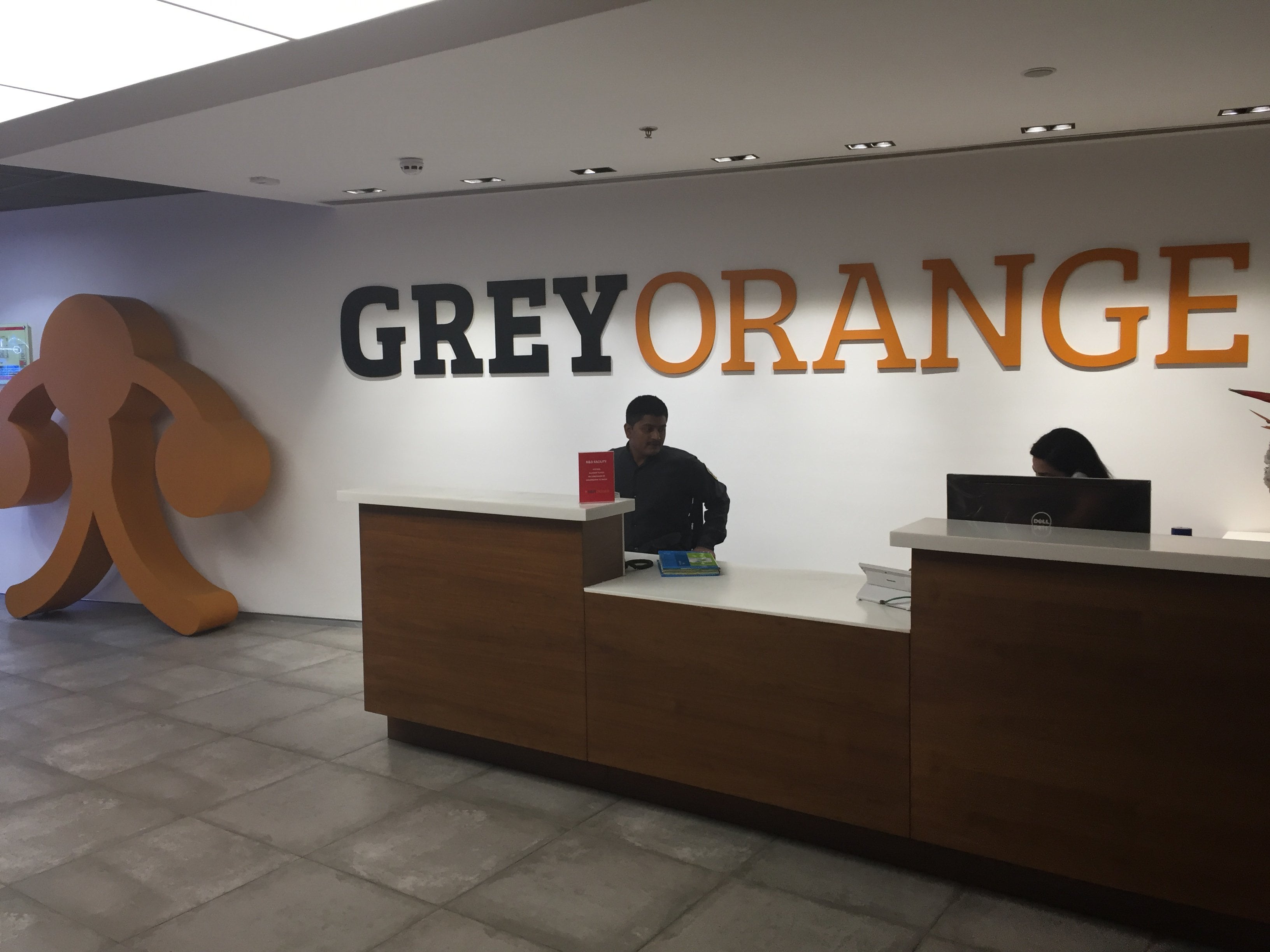
Built by India's largest warehouse robotics startup GreyOrange, they help online retailers and logistics firms cut delivery time and costs, central to the fight for supremacy in this nation's booming e-commerce market. The startup, which operates from Gurugram and Singapore, counts the country's biggest e-tailer Flipkart, furniture portal Pepperfry and courier service providers DTDC and Delhivery among its clients.
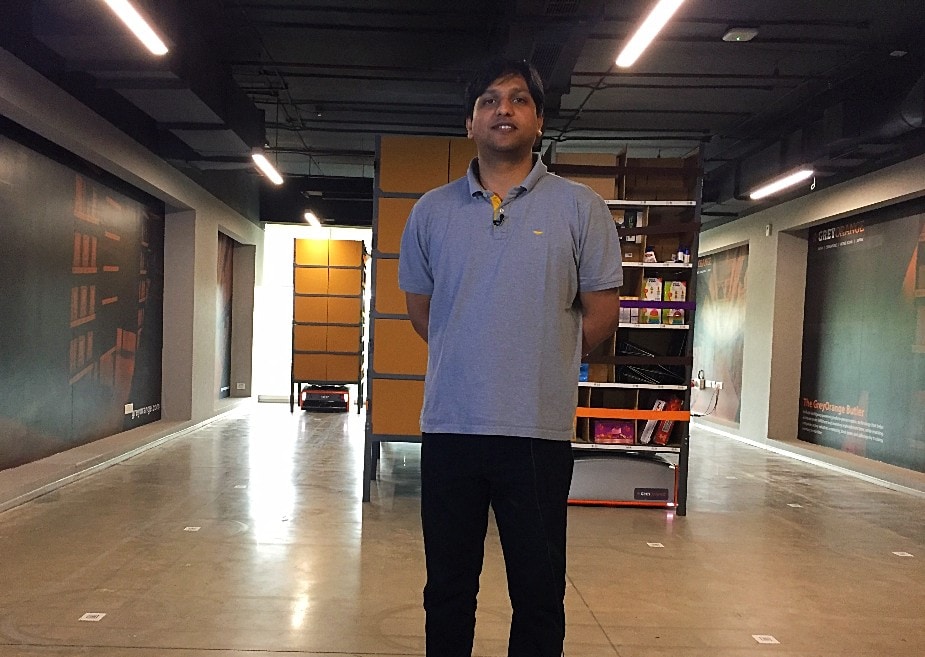
“With the help of these robots, an order can be picked from the warehouse and dispatched in 20 minutes,” said Akash Gupta, co-founder and chief technology officer of GreyOrange. The robots are already sorting about 1.2 crore packets a month, he said. Butler and Sorter could even replace 60-80 percent of warehouse workforce, according to a GreyOrange presentation.
That robots are gaining ground in a land of abundant cheap labour shows just how dramatic the disruption to human work could become in the very near future.
A warehouse worker here earns Rs 10,000 a month on an average (about $8 a day). As online retailers turn to machines to manage a growing volume of orders, a chunk of such unskilled jobs could become redundant. More so when homegrown e-tailers like Flipkart – still the nation's biggest e-commerce site backed by SoftBank Group Corp, Tiger Global and Tencent Holdings – battle Seattle-based giant Amazon, which triggered an automation war in the U.S. by acquiring Kiva Systems for $775 million in 2012.
“The kind of jobs we used to see in warehouses four, five years back are not going to be there in the coming two to three years,” Satish Mena, an analyst at Forrester Research India Pvt., told BloombergQuint. “The pace of job creation in these warehouses is slowing down. The scale e-commerce companies are looking at, and the order volume they are getting, they need robots and humans to work side by side.”
The advisory firm expects India's online commerce to be a $64-billion market in four years, clocking a five-year compounded annual growth rate of 31.2 percent.
Amazon and Flipkart opened nearly a quarter of their 71 warehouses in the last one year. Having lured customers with discounts, they are dealing with demanding buyers in a competitive market. The focus has shifted to same-day deliveries and easy returns, to win customer loyalty.
With automation, the number of jobs per warehouse may not increase or could decrease as companies become more efficient, said Arvind Singhal, chairman of Technopak Advisors Pvt. Ltd, a retail consulting firm. “Yet, as the e-commerce industry grows, the likes Flipkart and Amazon will require more distribution centres and will require more people to manage them.”
Flipkart, Pepperfry, Delhivery didn't respond to BloombergQuint's queries and Amazon said it doesn't use robotics in India but has an automated conveyor system at two of its largest warehouses.
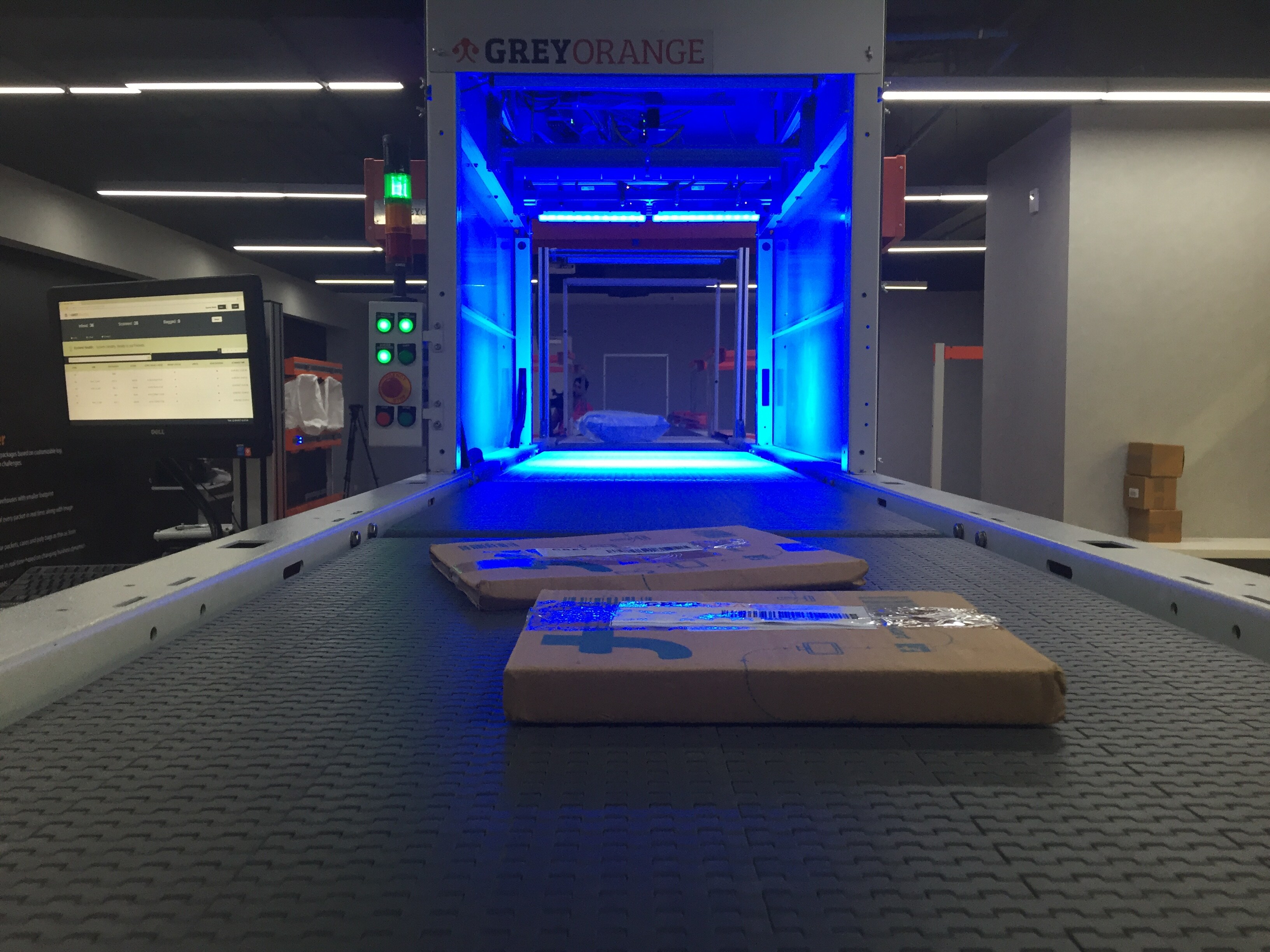
GreyOrange said it has shipped the robots to logistics companies globally, from Chile and Brazil to Singapore and Hong Kong.
Having raised $35 million from the likes of Tiger Global Management and Blume Ventures, it runs eight offices in five countries and employs more than 650 people. The company declined to share revenues.
Courier service DTDC Express Ltd., which serves more than 11,000 locations, has been using the GreyOrange Sorter for three years now. It used to take six to seven hours to push a parcel out of its hub. The time has come down to 90 minutes after installing the sorter, said Abhishek Chakraborty, executive director at DTDC Express.
“It reduced the number of human touch-points that came in the journey of the parcel. The speed went up and the number of errors came down.”

-
Indians Stay With Family, Not In Hotels | The Reason Why

India still lacks enough clean, reliable and affordable hotels for budget-conscious travellers.
-
The Economic Imperative: Analysing The Material Driving Force Behind India-Canada Strategic Reset
This economic complementarity is further reinforced by deep institutional investment ties and talent mobility, which form the bedrock of the bilateral framework.
-
Medicine Pricing: Where Must Profit Stop?
India must confront excessive margins, hidden incentives and regulatory gaps that threaten the integrity of medicine.
-
Why Amazon And Flipkart Are Struggling To Beat Meesho In India's Smaller Cities
With 274 million users and lowest-cost logistics, Meesho is defending its value commerce crown against giants like Amazon and Flipkart.
-
High US Salaries, No Green Card Certainty: The Financial Calculation Facing Indian H-1B Families
The suspension of PERM processing at eight technology employers does not cancel existing H-1B visas. What it does is force a question many Indian families have been avoiding: is the US salary worth tying your career and family plans to one employer?
-
Swiggy vs Eternal: Food Delivery's Two Rivals Are No Longer In The Same Race
Eternal is building a private AI assistant, dark.ai. Swiggy is still working out how to make Instamart pay, with an operating loss of Rs 895 crore in the July-September quarter while Blinkit stayed profitable.
-
Where You Live Shapes How You Get To Work | The Reason Why
Two-wheelers are the most popular way to get to work in India, accounting for nearly 43% of workplace commutes.
-
Unhedged Position: Can India See An Indonesia-Style Time Correction?
The Nifty is trading below levels it first clocked in 2024. Is there, then, as I have suggested in the headline, potential that the current time correction drags on painfully for the next three-five, even ten years?
-
Navigating Friction And Energy Realities: An Analysis Of Marco Rubio's October Visit To India
Occurring at a critical juncture marked by stalled trade negotiations and escalating geopolitical pressures over global energy supplies, the visit offers a profound window into modern US-India relations.
-
India Exports Capital. Why Not Export Trusteeship?
The big question, then, is whether India can build an institution that global borrowers, investors, banks, and lawyers can trust, even without an Indian connection.










