Mixed Reality, AI, Quantum Computing To Shape Future, Says Satya Nadella
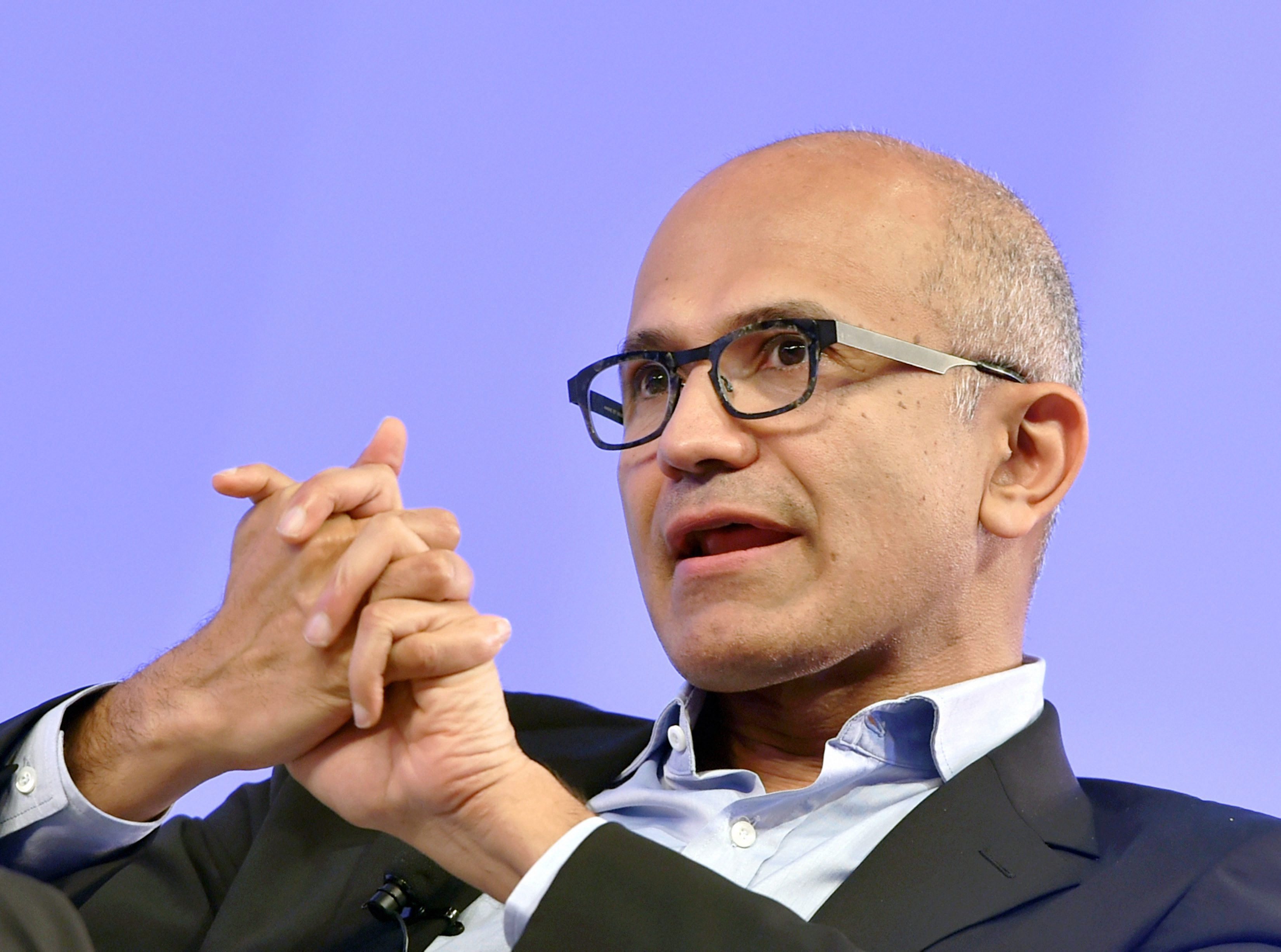
Satya Nadella, the India-born chief executive officer of global tech giant Microsoft, today said mixed reality, artificial intelligence and quantum computing are the three path-breaking technologies that will “shape” the world in the coming years.
Computing history has so far been about enhancing the man-machine interface, Nadella said, adding that the ultimate computing experience will be “mixed reality” that blends the real and the virtual world.
In a free-wheeling conversation with former cricketer Anil Kumble, Nadella spoke about matters close to his heart – his family, cricket and the potential that new-age technologies hold for organisations and the society at large.
Nadella is in Delhi, as part of a two-day visit to India to promote his book Hit Refresh. The 50-year-old CEO was in Hyderabad visiting the company's campus.
“The currency of our times will be the ability to collect data but, more importantly, to reason over it to create intelligence,” he said referring to AI as one of the three technologies that will “shape the years and decades to come”.
Nadella also cited examples of how the company's HoloLens is being used across sectors like education. HoloLens is a holographic computer designed by the Redmond-based company that allows users to interact with digital content to get an immersive experience.
Recounting his own experience, Kumble said he had tried the HoloLens and “walked on Mars and it felt great”.
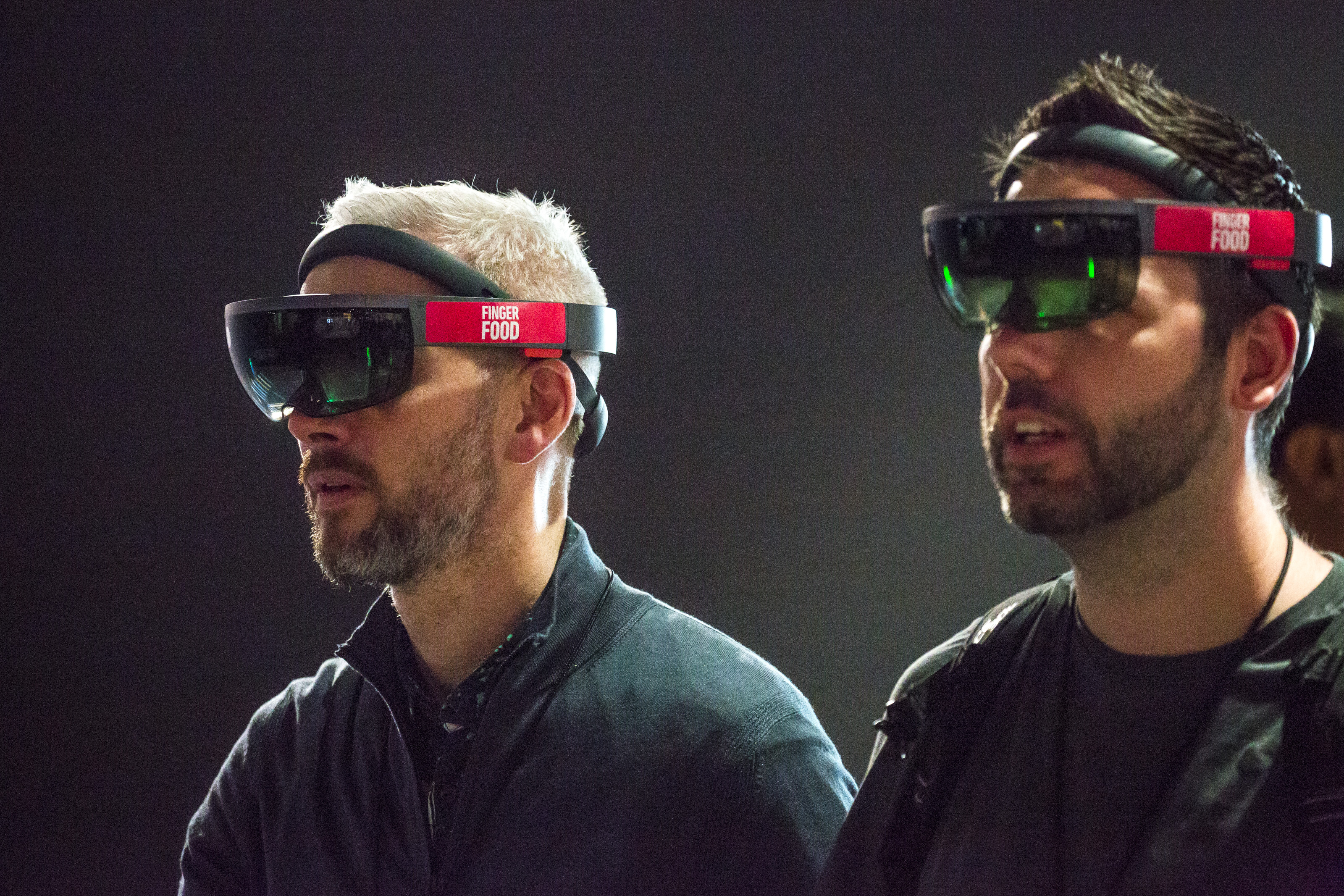
‘Teleportation' is no more just Star Trek, Nadella said to a packed hall. “If you take Microsoft 43 years into our existence and I look at it every five years, we have had some new existential threat,” he said.
He added that while people wrote that some company would “kill” Microsoft, it hasn't happened because the U.S. based company “must be doing something right to stay relevant, to continue to question the status quo”.
“But it's hard, not easy,” Nadella admitted.
Another defining technology, albeit with a longer-term horizon, is quantum computing that will allow people to deal with tougher challenges of computation, Nadella said.
Also Read: Ola Teams Up With Microsoft For Connected Vehicle Platform
Earlier in the day, Microsoft also showcased Ruuh, a chatbot that uses AI to engage with users. It has already been deployed on Skype and Facebook.
Launched about nine months ago, Ruuh has already had over 17 million conversations. A Microsoft executive said, “Whether you are just nervous about an exam or excited about a new job, Ruuh, just like a friend, is always there to chat with you”.
Ruuh was inspired by a similar chatbot by the company in China.
“We decided to bring this to India. It turns out that something that is good in one country and bringing it into another country which is conversational is very different and challenging...So we said let's build an Indian social bot and we named it Ruuh,” Nadella said.

-
One Battle After Another: India's Corporate Dynasties Battle For Control

2026 could go down as Corporate India's year of succession wars, governance battles and family fault lines.
-
Rs 50-Lakh Gold In Bank Locker, Rs 3 Lakh Of Protection: The Gap Most Families Don't Know About
The RBI ties a bank's liability to the annual locker rent and families who want to insure their jewellery face a separate question about how to prove what was inside.
-
The More Food Turns Into Fuel, The Harder It Is To Read Agricultural Markets | The Reason Why
A policy designed to reduce dependence on imported fuel can create new pressures elsewhere in the food economy.
-
Your iPhone Costs 12 Grams Of Gold, A Car About 100. What Does Your Life Weigh?
Measured in rupees, almost everything looks more expensive than it did a generation ago. Measured in grams of gold, a lot of it has become cheaper.
-
Gold Is Rs 22,000 Cheaper Than A Month Ago. Should You Buy Amid The Wedding Season?
Gold's potential slide to $3,500 could save around Rs 4,700 per 10 grams, but a soft inflation print could just as easily push prices back up. One way to split the risk is to buy in parts, some now and the rest after the Fed's Dec. 9 decision.
-
AI Agents Are Gaining Power. Who Governs Them?
Artificial intelligence agents promise to transform productivity by moving machines from assisting decisions to executing them. But as organisations delegate greater authority to these AI-agents, they must first establish who controls that authority and who remains accountable when things go wrong.
-
Why Swapping Your Old Gold Can Trigger A Rs 5 Lakh Tax Bill, And How You Can Avoid It Legally
Swapping old gold for new is taxed as a sale and a fresh purchase. Getting your own gold remade can cut most of that bill, though it has its own costs.
-
The AI Trade is Done. The Real Opportunity for Investors Starts in 2027 | Unhedged Position
As pureplay AI stocks plunge and circular, capex-led financing unwinds, 2027 is set to be a year of reckoning for AI companies. Yet the bust clears the way for a better opportunity for investors in 2027 -- shifting the spotlight from AI builders to the companies using AI.
-
Leadership As Mission: Why The Age Of AI Demands More Human Leadership
Debjani Ghosh examines how AI is changing leadership, arguing that its success must be measured by its impact on people and the accountability of those guiding its use.
-
We May Need Another Tukaram Mundhe To Fight Air Pollution | The Reason Why
Developers may install basic measures such as sprinklers and green nets, resume work, and continue violating rules when this equipment stops working.









