‘Internet Of Things’ Is Now A Thing In India
Over the last few years, a lot has been said about the internet of things (IoT). But its definition is often misunderstood. IoT is the interconnection of devices embedded in everyday objects, which can then send and receive data.
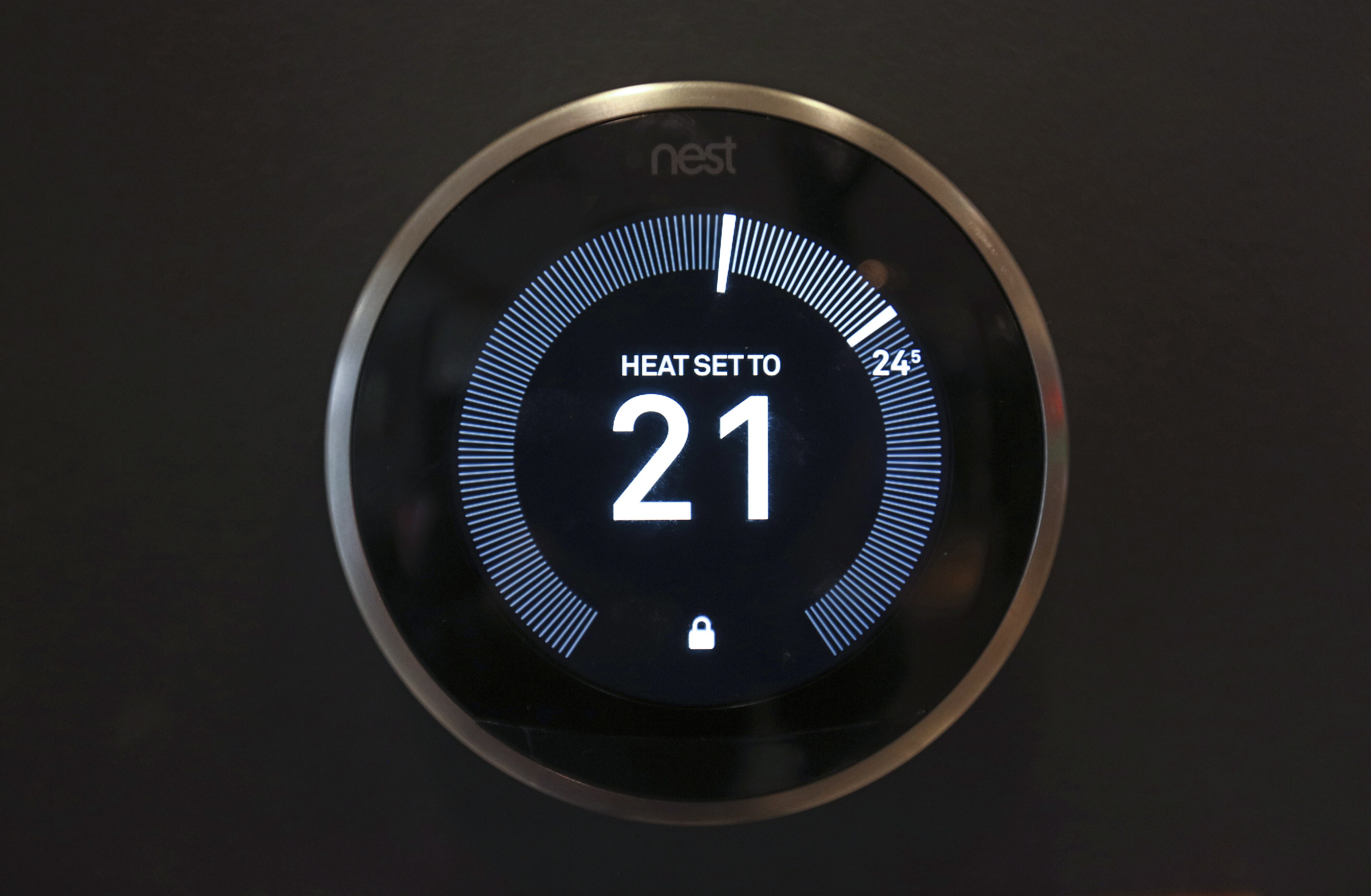
So, it could be the sensors in your FitBit relaying your data to a network connected to your smartphone or the thermostat in your smart air-conditioner at home, that knows exactly what temperature setting you prefer at a particular time of the day.
But, IoT isn't a technology of the future. Gartner forecasts that 8.4 billion connected devices will be in use worldwide in 2017, up 31 percent from 2016, and that number will reach 20.4 billion by 2020. The same report says that total spending on endpoints and services will reach almost $2 trillion in 2017. Regionally, Greater China, North America and Western Europe are driving the use of connected things and the three regions together will represent 67 percent of the overall IoT installed base in 2017. Speak to any tech enthusiast in India and you'll know it's here to stay as well.
VS Sridhar, senior vice president and head of the IoT business at Tata Communications Ltd. told BloombergQuint his team has been working on building the world's largest IoT network in Mumbai, New Delhi and Bengaluru.
In the office, the biggest thing a CFO (chief financial officer) would be concerned about would be energy consumption. Are my lights and air conditioners running at the right time? Now, with IoT devices it's very easy because you can switch it on at 9 a.m. in the morning and off at 9 p.m., remotely sitting anywhere in the world because these devices are all connected on the IP.VS Sridhar, Head, IoT-Business, Tata Communications
Tata Communications has been working closely with Semtech Corporation, a semiconductor company, to build the world's largest IoT machine-to-machine network. The company is keen to contribute to India's smart cities programme with this technology.
While IoT is generally associated with wearable devices, there are industrial uses of the technology as well. Gartner's research reveals that as consumers continue to purchase devices, businesses are spending more. In 2017, in terms of hardware spending, the use of connected things among businesses will amount to $964 billion. Consumer applications will amount to $725 billion in 2017. By 2020, hardware spending in both segments is pegged at almost $3 trillion.
Tata Communications uses low power, wide area network (LPWAN) technology-based on LoRa for connected devices and IoT applications. That's also the reason these devices consume much less power and have enhanced range. Sridhar adds, “This LoRa network is available in about 30 countries. In a way, it is not only India, but LoRa is being deployed in multiple countries the way we are deploying it. Globally, these devices can roam anywhere.”

-
Gold Is Rs 22,000 Cheaper Than A Month Ago. Should You Buy Amid The Wedding Season?

Gold's potential slide to $3,500 could save around Rs 4,700 per 10 grams, but a soft inflation print could just as easily push prices back up. One way to split the risk is to buy in parts, some now and the rest after the Fed's Dec. 9 decision.
-
AI Agents Are Gaining Power. Who Governs Them?
Artificial intelligence agents promise to transform productivity by moving machines from assisting decisions to executing them. But as organisations delegate greater authority to these AI-agents, they must first establish who controls that authority and who remains accountable when things go wrong.
-
Why Swapping Your Old Gold Can Trigger A Rs 5 Lakh Tax Bill, And How You Can Avoid It Legally
Swapping old gold for new is taxed as a sale and a fresh purchase. Getting your own gold remade can cut most of that bill, though it has its own costs.
-
The AI Trade is Done. The Real Opportunity for Investors Starts in 2027 | Unhedged Position
As pureplay AI stocks plunge and circular, capex-led financing unwinds, 2027 is set to be a year of reckoning for AI companies. Yet the bust clears the way for a better opportunity for investors in 2027 -- shifting the spotlight from AI builders to the companies using AI.
-
Leadership As Mission: Why The Age Of AI Demands More Human Leadership
Debjani Ghosh examines how AI is changing leadership, arguing that its success must be measured by its impact on people and the accountability of those guiding its use.
-
We May Need Another Tukaram Mundhe To Fight Air Pollution | The Reason Why
Developers may install basic measures such as sprinklers and green nets, resume work, and continue violating rules when this equipment stops working.
-
Extracting Value From Battery Scrap Could Be Challenging For India | The Reason Why
A discarded lithium-ion battery still contains valuable materials such as lithium, nickel and cobalt. These can be recovered and reused. When such batteries are crushed and shredded, they produce a dark powder called black mass.
-
One El Nino, India Can Handle. Two Could Break The Granary
India's grain stocks can absorb one bad year, but a second El Nino could drain the buffer in two to three years, economists say.
-
India's Troika Of Good Luck | Joining The Dots
As Jensen Huang's exit drags Nvidia down, a cooling AI trade and resilient earnings have revived investor interest in India. A likely RBI rate hike looms.
-
Talking Points This Week: Leadership Shock At Nvidia, Earnings Strength, And The Fog Over Hormuz
The Anthropic IPO pricing and first trading day, Nvidia's upcoming earnings, and any fresh signals from Iran will set the tone for the following week.









