International Literacy Day: Bridging India’s Digital Divide
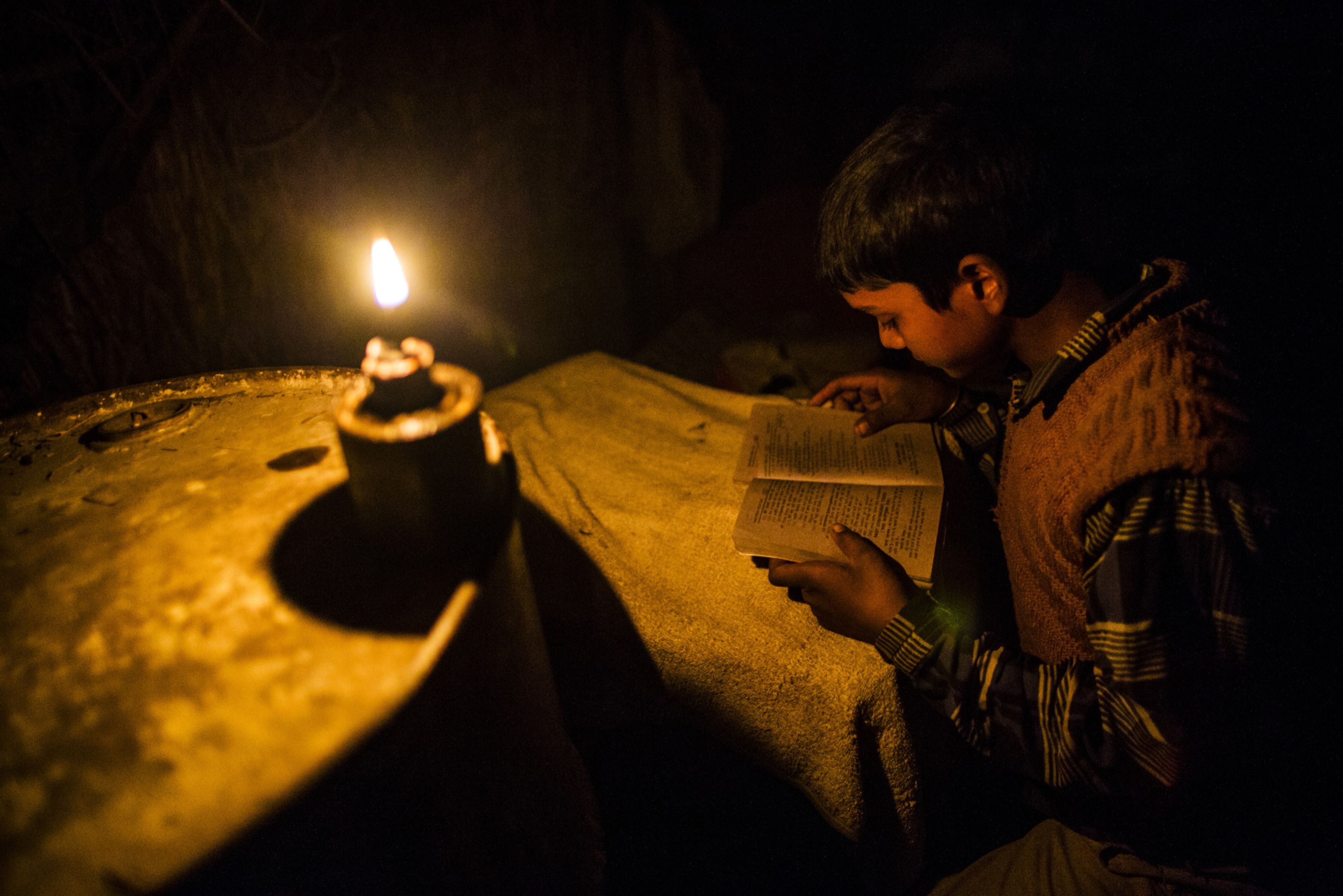
On the occasion of International Literacy Day, it is important to recognise an important component of literacy, i.e. digital literacy. Digital literacy skills or the lack of them, especially during the Covid-19 pandemic, have affected the lived realities of individuals and communities in multiple ways, across themes such as education, economic development, political participation, health, social discourse, and many more. For those who are unable to access technology due to a lack of the skills required to navigate it, Digital India is not an enabler and can actually further exacerbate existing socio-economic inequalities. While increased digitisation has numerous benefits with new paths of opportunity for economic, social, political, and educational progress, the inability to access and benefit from this digitisation deprives individuals and communities from enjoying the advantages of these opportunities and technological advancements.
The digital boom revolutionised the lives of people in developed countries by empowering them with increased access to information, government authorities, other services, and the creation of better livelihood opportunities, among many other advantages. As per a report from the Digital Empowerment Foundation in 2018, around 90% of India's population is digitally illiterate. While India is experiencing a digital revolution that may allow us to move ahead in terms of economic growth and development, we also run the risking of creating a new class of digitally-poor citizens. Digital Poverty has been defined as a new concept of poverty, meaning the inability to access and benefit from information and communications technology services due to a lack of access, and a lack of skills required to access these services.
In terms of digital literacy, the government has been making certain efforts to increase digital literacy skills amongst citizens. There are three main digital literacy programmes which have either been implemented or are in the process of implementation – the National Digital Literacy Mission, The Digital Saksharta Abhiyan, and the Pradhan Mantri Gramin Digital Saksharta Abhiyan. NDLM was approved in March 2014 and had a target to train 10 lakh citizens in select districts. Subsequently, DISHA was approved in December 2014 with an additional target of 42.50 lakh candidates across the country. The only difference between the two schemes is that in DISHA, besides common citizens, ASHA workers, government functionaries, and fair-price shop workers were trained as well. The coverage targets have been increased under PMGDISHA, which seeks to make six crore persons in rural India digitally literate.
However, until October 2018, around 2 crore individuals have been covered, which is just 1.67% of India's population.
Flawed Approach
These schemes have suffered from other design and implementation flaws. The first and most obvious design flaw in all these schemes is that they have used Census 2011 and 71st NSSO survey on education to establish a baseline for digital literacy. Both these surveys use possession of a computer, and the ability to operate a computer as parameters. This is ill-suited for the current times because most first-time Indian internet users are skipping computers entirely and accessing the internet directly on their mobile phones.
As per an assessment study carried out by Indian Institute of Technology, Delhi, on the PMGDISHA, with a sample size of 20,000 respondents who have been certified, 67% of respondents felt confident about using a computer and 85% agreed that they had gained knowledge on using a mobile phone. Around 70% of respondents were happy with the methodology and regularity of the training. These numbers should be higher, considering these are people who have been certified as digitally literate. Further, with around 1.5 crore individuals trained and around 75 lakh certified, a sample of 20,000 respondents for impact assessment is too small.
A design flaw in all these schemes is that the training is conducted on computers. This leads to a requirement for expensive IT infrastructure, as well as broadband connectivity to make the training possible. This ignores the realities of the digital experience in India, as well as the easier availability of smartphones and mobile data, which would reduce the costs for the scheme and make implementation wider, especially considering the shortfall in funding requirements.
The importance accorded to PMGDISHA, in policy documents and public statements, has not been reflected in the budget allocated. As against a required amount of Rs 2,350 crore for the period 2017-19, only Rs 536 crore has been allotted to the scheme.
Toward Equal Access
Digital literacy is important for people to be able to access the current internet facilities in India, as well as to drive demand for the creation of more infrastructure. The Telecom Consumers Protection (Tenth Amendment) Regulations, released by the Telecom Regulatory Authority of India in 2016 acknowledged that lack of digital literacy has led to a lack of adoption of wireless internet in India. Multiple United Nations documents and papers have acknowledged that aspects of digital literacy must be included as an essential part of Article 19 of the Universal Declaration of Human Rights. In May 2010, The European Commission released the Digital Agenda for Europe. The agenda specifically identifies digital literacy as a separate initiative that is needed to ensure that everyone is able to enjoy the benefits of infrastructure creation for internet access.
India's current digital literacy schemes need an overhaul. It is suggested that the schemes should be designed as long-term initiatives, with measurable outcomes that can be consistently tracked. There should also be a long-term policy goal of integrating the digital literacy component into general literacy and education programmes.
Impact assessment must include tracking the volume and consistency of internet-based interactions of certified individuals, to understand long-term behavior change.
We need to develop specific assessment standards for different user groups, on the basis of which we can assess the type of digital skills required for them, and create structured tailor-made programmes accordingly. It is increasingly important to look at not only who uses the Internet, but also to distinguish varying levels of online skills among individuals. Anxiety about using and accessing new technologies can act as a barrier towards different segments of the population, like the elderly, people from rural areas, and those with low literacy levels. Digital literacy and building digital skills is a solution to this.
Digital literacy is essential, not just for access to services, or information, but also for access to basic rights and entitlements. On International Literacy Day, it is important that we endeavor to ensure that we do not leave behind a large number of our citizens to suffer from digital poverty and to guarantee that they can be equal participants in the digital revolution that India is undergoing.
Sumeysh Srivastava is a Senior Resident Fellow at the Vidhi Centre for Legal Policy. Views are personal.
The views expressed here are those of the author and do not necessarily represent the views of BloombergQuint,

-
Indians Are Travelling, But Not Every Journey Is A Holiday | The Week In Whys

Pilgrims, patients and working women are the real travellers, and the system hasn't quite caught up with them.
-
Getting To Work Costs Women More | The Reason Why
It is not just about women paying more than men. It is about women paying much more in cities than in villages.
-
AI Bias In Investing Cannot Be Eliminated, But It Can Be Governed
Framing is a particularly important example as identical financial information presented in terms of gains rather than losses can lead an LLM to reach a different assessment.
-
Joining The Dots | Dark Skies, Steady Diya: Why Hope Holds This Diwali
With war, a weak rupee and foreign outflows weighing on sentiment, policymakers at the NDTV World Summit and market veterans at NDTV Profit Ignite: Diwali Edition offered the same advice: stay invested and filter out the noise.
-
The Curious Case of Equitas Small Finance Bank And A CEO Who Quit For Stock
PN Vasudevan believes persistent investor concerns over a perceived conflict of interest had become a governance overhang on Equitas Small Finance Bank's stock, even as the lender improved profitability and asset quality.
-
Talking Points This Week: AI Cash Burn, A Tiger Comeback And An India That Still Finds Its Own Path
India is not immune to higher oil or tighter global liquidity, yet its earnings base is broader, its domestic policy levers are still available.
-
Foreign Investors Own Half Of HDFC Bank and ICICI Bank. An LTCG Cut Could Matter Most Here
Foreign portfolio investors have US$115 billion parked in HDFC Bank, ICICI Bank. If the government cuts long-term capital gains tax, Jefferies says returning foreign money could land here first.
-
'Never Seen This Level Of Negativity': Sandeep Tandon Says The Next Rally May Be Closer Than You Think
Veteran investor Sandeep Tandon says foreign selling is easing, large-caps are due a comeback and mid-caps are crowded, while he turns positive on gold, power and pharma this Diwali.
-
Indians Stay With Family, Not In Hotels | The Reason Why
India still lacks enough clean, reliable and affordable hotels for budget-conscious travellers.
-
The Economic Imperative: Analysing The Material Driving Force Behind India-Canada Strategic Reset
This economic complementarity is further reinforced by deep institutional investment ties and talent mobility, which form the bedrock of the bilateral framework.










