Intel Launches New System-On-Chip To Accelerate EV Innovation, Drive Down Costs
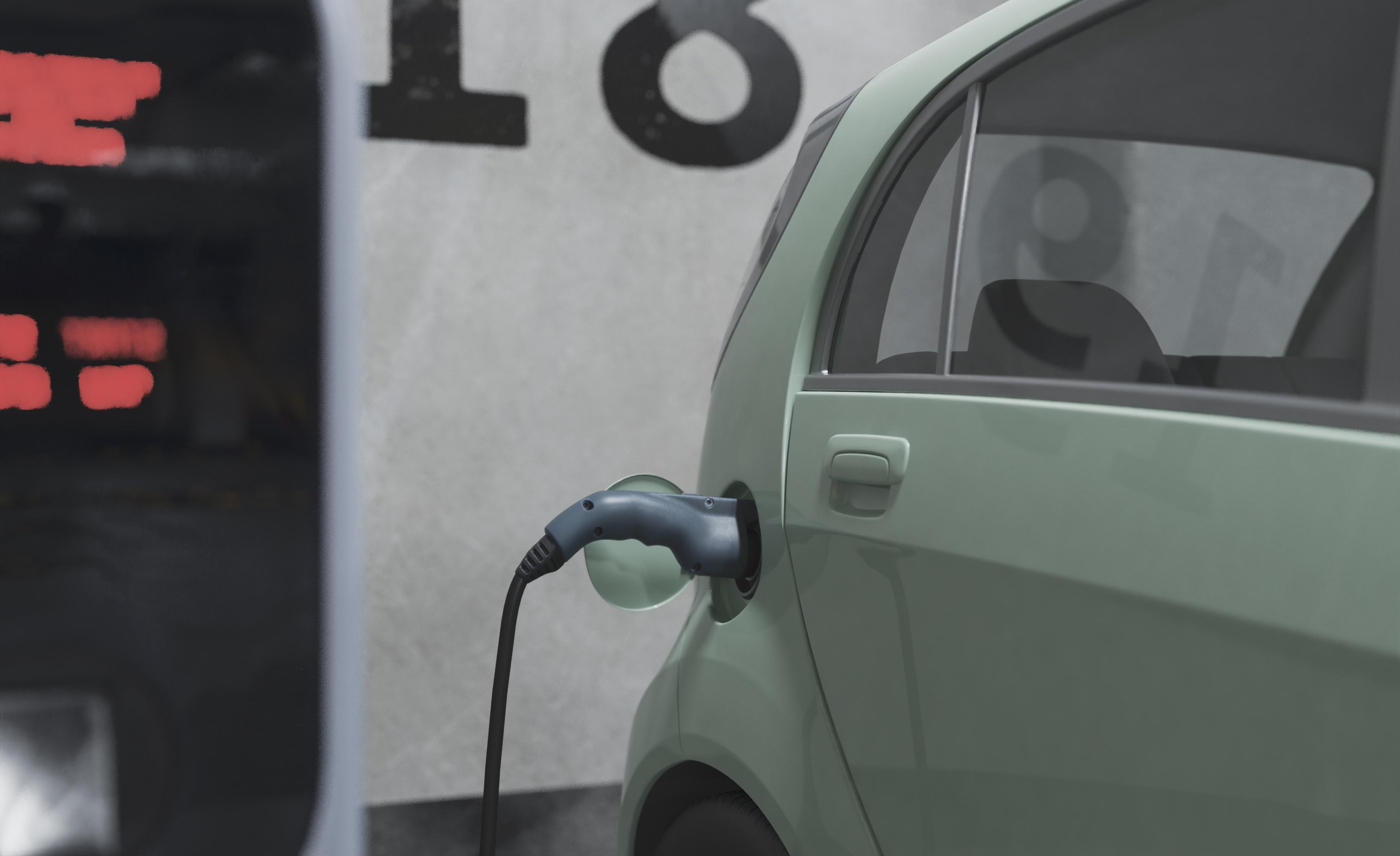
Silicon Mobility, an Intel company, has launched a new OLEA U310 system-on-chip to streamline e-motor technology and drive down electric vehicle design and manufacturing expenses.
The high purchase price of an EV remains one of the biggest barriers for potential buyers. EVs are currently more expensive to build than traditional gasoline-powered cars, primarily because of the high costs associated with advanced battery and e-motor technology.
The near-term solution is to enhance the efficiency of the existing battery technology through energy savings at the vehicle level, including improved integration with EV station infrastructure. Intel's new SoC technology seeks to improve the overall performance of EVs, improve design and production processes, and expand SoC services for improved operation across various EV station platforms.
The new SoC combines hardware and software and is designed to match the need for powertrain domain control in electrical architectures with distributed software. According to Intel, a single OLEA 310 FPCU can replace as many as six standard microcontrollers in a system combination in which it controls an inverter, a motor, a gearbox, a DC-DC converter and an on-board charger. Using the 310 FPCU, original equipment manufacturers and tier-1 suppliers can control multiple and diverse power and energy functions simultaneously in real-time.
Early figures, according to Intel, showed up to 5% energy efficiency improvement, 25% motor downsizing for the same power, 35% less cooling need and up to 30 times passive component downsizing as compared with current EVs.
The solution will also allow EV manufacturers to design software-defined EVs with improved performance and range, and potentially lower production costs because they now have fewer components to integrate. The new chip also complements Intel Automotive's existing family of AI-enhanced software-defined vehicle SoCs.

-
India's Troika Of Good Luck | Joining The Dots

A weaker Trump, a cooling AI trade and resilient earnings have put Indian markets back in favour. Rising inflation could spoil the party.
-
Talking Points This Week: Leadership Shock At Nvidia, Earnings Strength, And The Fog Over Hormuz
The Anthropic IPO pricing and first trading day, Nvidia's upcoming earnings, and any fresh signals from Iran will set the tone for the following week.
-
Signature Play: The Classic Cocktail Is Dead. Or Is It?
Classic cocktails are disappearing from India's cocktail menus. But they're still being ordered, taught to bartenders and borrowed from. So, who's really having the last drink?
-
A New Samvat Wishlist: Inclusive Prosperity And Human Development
India has strengthened its economic foundations through infrastructure, digital access and enterprise. Its next growth chapter must deepen productivity, create better livelihoods and widen participation in prosperity.
-
Love, Sex Aur Dhokha: The Audacious Plot To Spy On Jensen Huang
A Taipei dinner, a Singapore chip buyer and a suspected Chinese asset: inside the alleged spy operation that got close to NVIDIA's Jensen Huang.
-
Ten Things I Learnt This Samvat
Patience can be a trap. Cheap stocks can stay cheap. Leverage can wipe you out. What did Samvat 2082 teach us? Niraj Shah writes on 10 lessons from the year gone by.
-
Talking Points This Week: Tech Nerves, FII Buying, And A Faraway Banking Shock
The global markets are not shining this Diwali. The exception in the large markets is, India.
-
Midterm Rally Lasted A Day. The Hard Reality Of A Divided US May Last Two Years | Opinion
Between a contested AI boom, a debt ceiling that arrives in 2027 and a president with every incentive to act alone, the next two years may prove more volatile than the first day's rally suggests.
-
Blue Wave Will Derail the AI Trade but Won't Dismantle the AI Era | Unhedged Position
The Democrats' sweep of the US Congress will see politics collide with economic forces both over the long and short term.
-
It's Time To Take The GST Council's Bet On Trust Global
Payment records can prove India's services exports, and clear, proportionate rules can bring foreign digital sellers into the tax net.









