How One Woman Is Trying To Stop A $10 Billion Theft
(Bloomberg) -- Ritu Maheshwari learned quickly how recovering part of the $10 billion a year of electricity stolen aacross India could be a career-limiting move for a young, female bureaucrat.
As a newly minted official at the Kanpur Electricity Supply Co. in 2011, Maheshwari installed new meters across almost a third of the company's customer base. The devices recorded energy consumption digitally and exposed real-time leaks in the distribution system. But so deeply ran the interests protecting power-pilfering in Kanpur, an industrial city 500 kilometers (311 miles) southeast of New Delhi, that she was transferred after 11 months.
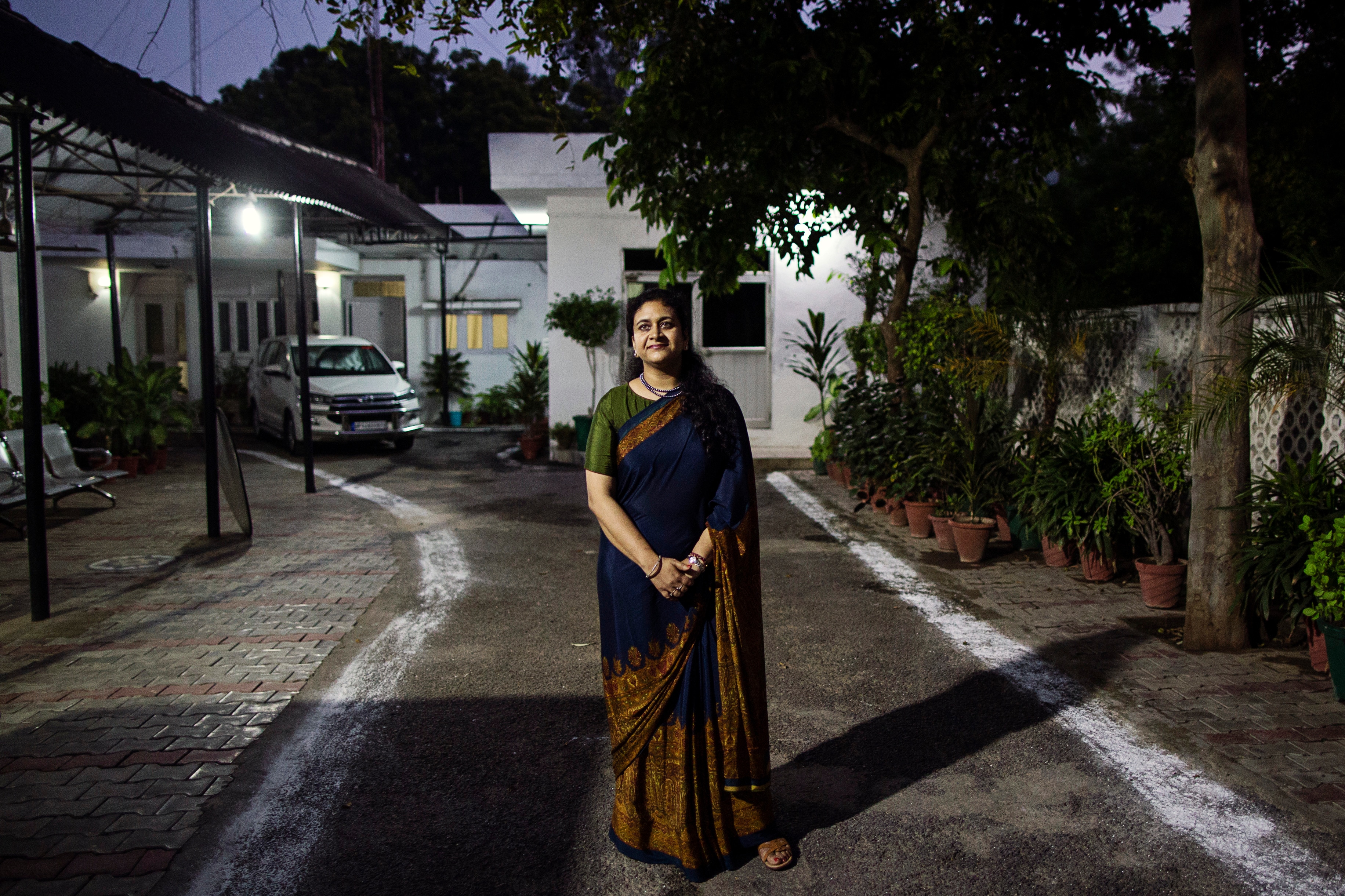
Six years on, the 39-year-old's battle with corruption and misogyny — told internationally in a 2014 Bollywood documentary film — is highlighting the need for technology that thwarts illegally tapped power connections. Until recently, Maheshwari was spearheading Prime Minister Narendra Modi's efforts to turnaround cash-strapped state utilities in a bid ensure continuous supply of power to millions of households, farms and factories.
“Stealing power is considered a birthright by many, and anyone who tries to stop this is frowned upon,” said Padamjit Singh, a board member at Transparency International India and a member of the All India Power Engineers Federation, an industry advocacy group. “Power thefts are posing the biggest challenge to ensuring electricity access to all citizens, which is absolutely necessary for equitable growth of our country.”
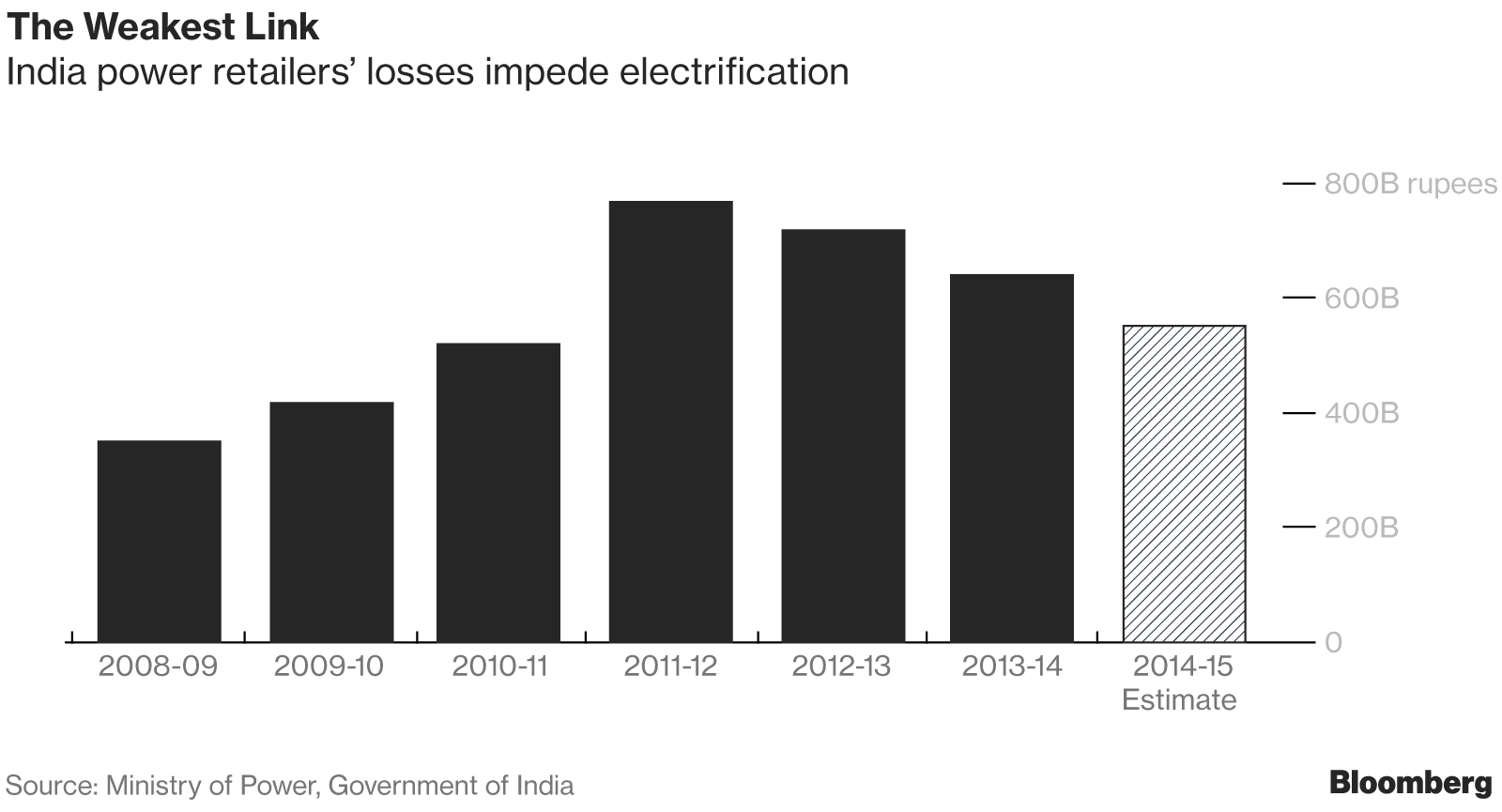
Retailers, on average, miss collecting revenue on about a fifth of the electricity they supply, totaling about 650 billion rupees ($10.2 billion) annually, said Sambitosh Mohapatra, a partner for utilities at PricewaterhouseCoopers India.
Clandestine Connections
Without that cash, they are reluctant to buy enough electricity from power-generation companies to satisfy consumer demand. The result: power remains unaffordable, inadequate, or simply non-existent for 304 million people. For many others, though, it comes free via clandestine, non-metered connections to a transmission line.
That's where Maheshwari's approach in Kanpur comes in.
“I managed to change 160,000 meters of 500,000 amid protests from pilfering consumers that drastically brought down the city's distribution losses, which were at 30 percent then,” she said in an interview in New Delhi.
Engineering Grad
Resistance came from high levels. Some politicians would charge into her office, spewing threats, she recalled. Staff connived with perpetrators to pass on knowledge of specific locations in which power-theft investigations would take place, often helping them remove illegal connections temporarily before the search team arrived.
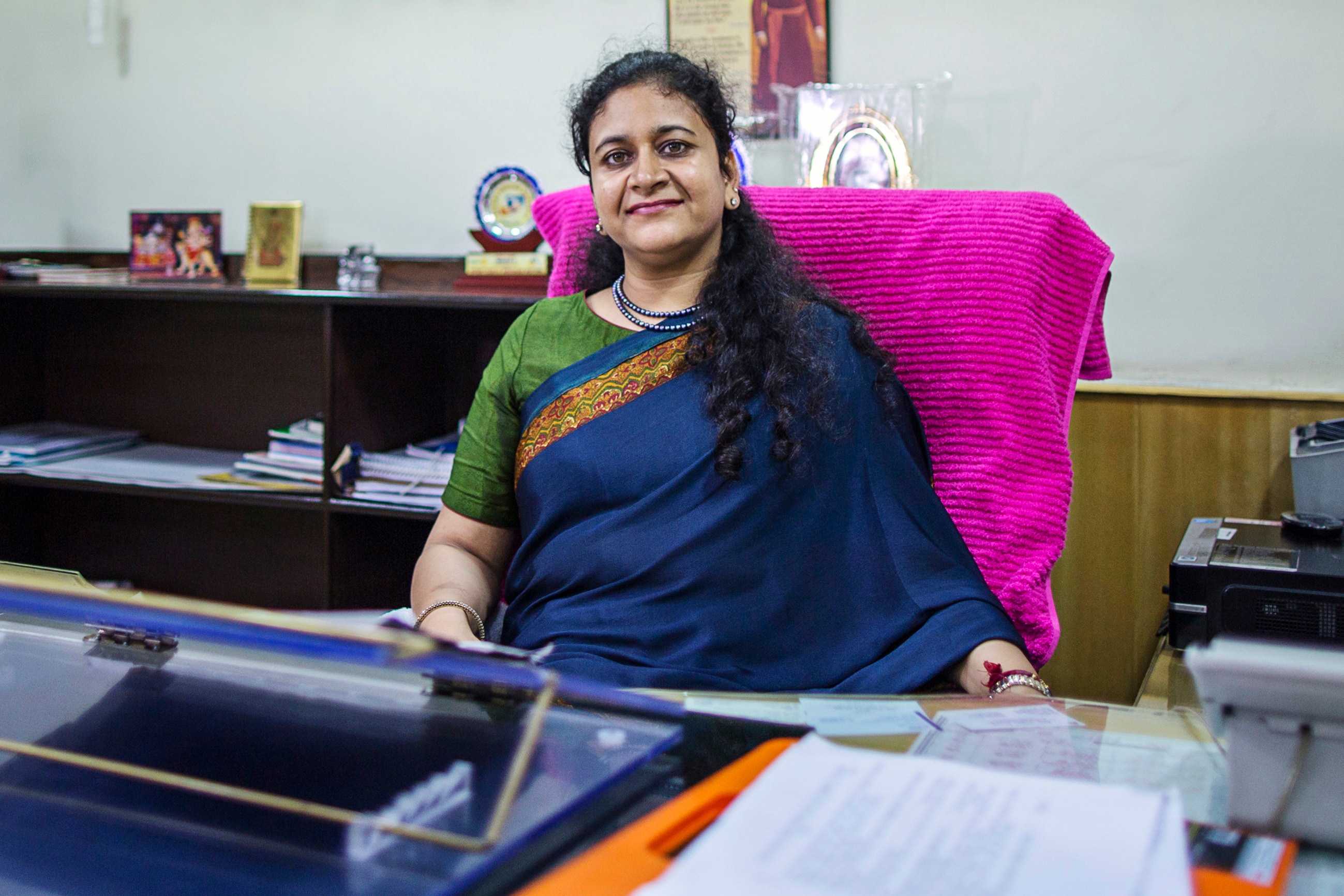
“People thought I could be fooled or manipulated, because what would a woman know about electricity and complex grids?” said Maheshwari, who graduated from the Punjab Engineering College in 2000, and joined the Indian Administrative Service three years later. “Staff members at different levels were not happy with the kind of measures being taken, whether it was metering or raids on theft. Insiders passed on information.”
Her strategy worked. Losses at the Kanpur Electricity Supply Co., or Kesco, have since halved to 15.6 percent, data on the power ministry's website show.
Better Billing
Some retailers, including firms in New Delhi and Mumbai, have also found that technology can curb theft and improve billing and payment-collection efficiency to minimize losses.
That's leading to a steady upgrade of power grids with hi-tech meters, transformers, automation and new wiring supplied by companies such as Schneider Electric SE, Landis+Gyr Group AG, and Nokia Oyj. India's government is envisaging about $50 billion of investment opportunities in the power transmission and distribution industries in the five years through 2019, according to Piyush Goyal, who was the country's power minister until Sept. 3.
Digitization so far covers only about 10 percent of the consumption side of electricity use in India, according to Schneider Electric.
Slow to Digitize
“One of the state utilities recently told me that their transmission and commercial losses in rural areas were 25-to-30 percent, and if they can reduce it by 1 percent they can save 1.85 billion rupees,” said Prakash Chandraker, vice president and managing director of the French electrical equipment maker's Indian unit's energy business, in an interview.
Tata Power Delhi Distribution Ltd., a power retailer in New Delhi, partnered a local arm of Finland's Nokia earlier this year to support the management of its electrical grid in the city's north and northwest. The move is set to reduce outages by 60 percent in a year, said Satya Gupta, the electricity retailer's head of information technology.
Smart Meters
The company will install 250,000 smart meters over a year starting March 2018 and expand installations to 1.8 million households by 2025. The first phase of the project is being implemented in partnership with global energy management firm Landis+Gyr.
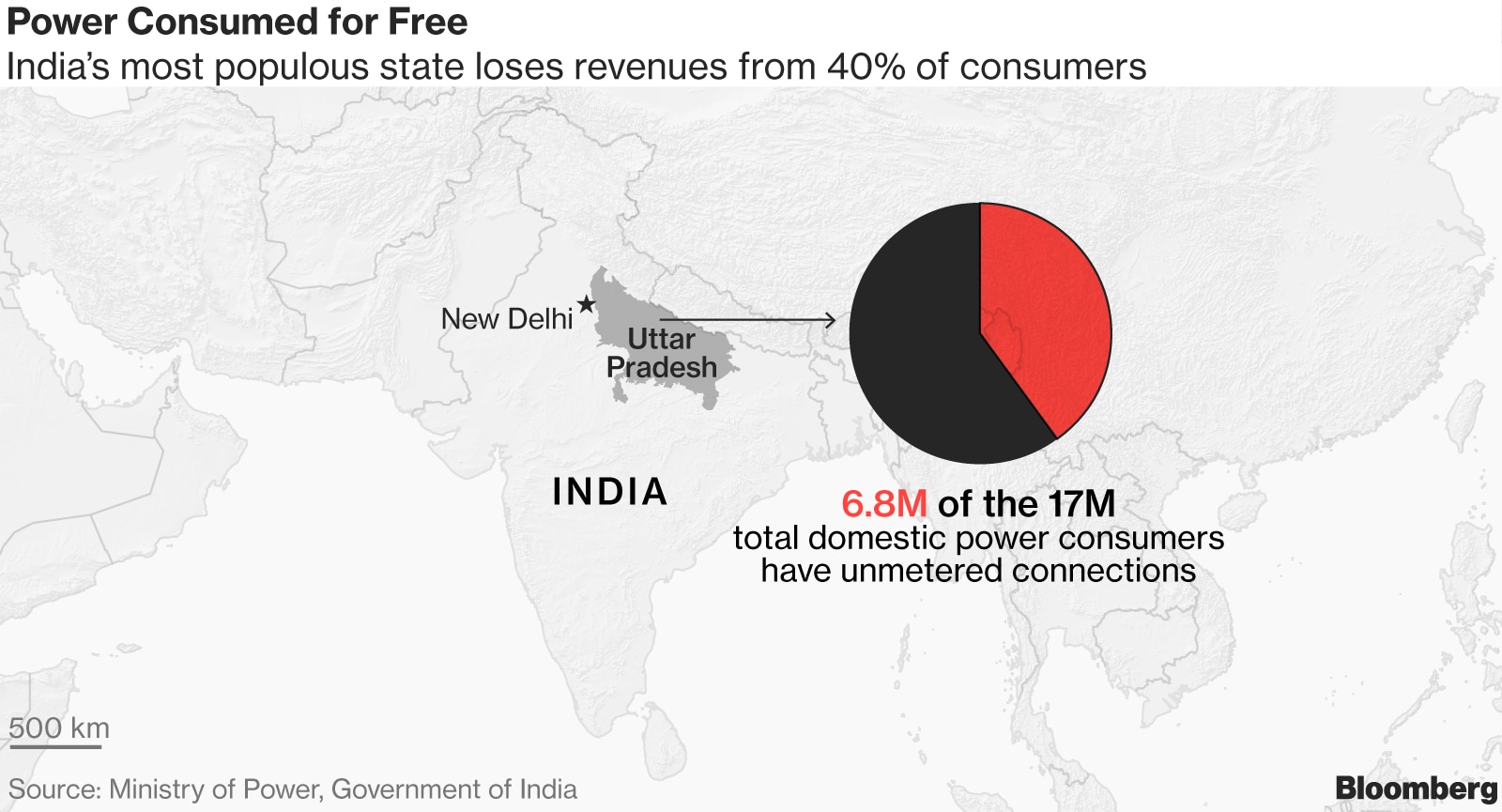
Even bigger opportunities exist in states like Uttar Pradesh, the country's most-populous, where losses average about 35 percent for distribution companies. More than 75 percentof households in Uttar Pradesh are in rural areas. There, 8.4 million of the state's 29 million rural households receive non-metered electricity access, while 11.2 million are without any power, government data show.
India issued its first tender to buy 5 million smart meters in Uttar Pradesh and neighboring Haryana state on August 1. Energy Efficiency Services Ltd., the government agency responsible for running the country's energy efficiency programs will conduct an international competitive bidding process to procure the equipment.
Pilot Project
“This is a pilot project where 4 million smart meters will go to Uttar Pradesh and the rest to Haryana,” said Saurabh Kumar, the agency's managing director, in a phone interview. If successful, it will be rolled out across many more states as part of a program to support distribution companies, he added.
Until July, Maheshwari headed that program, which aims to use technology, among other measures, to lower so-called aggregate technical and commercial losses to an average of 15 percent by 2019, and improve the viability of power retailers. Last week, she took on a new job as a district magistrate in a Delhi suburb.
“The next two years will be very crucial as several states need to move from poor metering to smart metering,” she said.

-
We May Need Another Tukaram Mundhe To Fight Air Pollution | The Reason Why

Developers may install basic measures such as sprinklers and green nets, resume work, and continue violating rules when this equipment stops working.
-
Extracting Value From Battery Scrap Could Be Challenging For India | The Reason Why
A discarded lithium-ion battery still contains valuable materials such as lithium, nickel and cobalt. These can be recovered and reused. When such batteries are crushed and shredded, they produce a dark powder called black mass.
-
One El Nino, India Can Handle. Two Could Break The Granary
India's grain stocks can absorb one bad year, but a second El Nino could drain the buffer in two to three years, economists say.
-
India's Troika Of Good Luck | Joining The Dots
As Jensen Huang's exit drags Nvidia down, a cooling AI trade and resilient earnings have revived investor interest in India. A likely RBI rate hike looms.
-
Talking Points This Week: Leadership Shock At Nvidia, Earnings Strength, And The Fog Over Hormuz
The Anthropic IPO pricing and first trading day, Nvidia's upcoming earnings, and any fresh signals from Iran will set the tone for the following week.
-
Signature Play: The Classic Cocktail Is Dead. Or Is It?
Classic cocktails are disappearing from India's cocktail menus. But they're still being ordered, taught to bartenders and borrowed from. So, who's really having the last drink?
-
A New Samvat Wishlist: Inclusive Prosperity And Human Development
India has strengthened its economic foundations through infrastructure, digital access and enterprise. Its next growth chapter must deepen productivity, create better livelihoods and widen participation in prosperity.
-
Love, Sex Aur Dhokha: The Audacious Plot To Spy On Jensen Huang
A Taipei dinner, a Singapore chip buyer and a suspected Chinese asset: inside the alleged spy operation that got close to NVIDIA's Jensen Huang.
-
Ten Things I Learnt This Samvat
Patience can be a trap. Cheap stocks can stay cheap. Leverage can wipe you out. What did Samvat 2082 teach us? Niraj Shah writes on 10 lessons from the year gone by.
-
Talking Points This Week: Tech Nerves, FII Buying, And A Faraway Banking Shock
The global markets are not shining this Diwali. The exception in the large markets is, India.