Google Is Twice A Monopolist. Fixing It Will Be The Hard Part
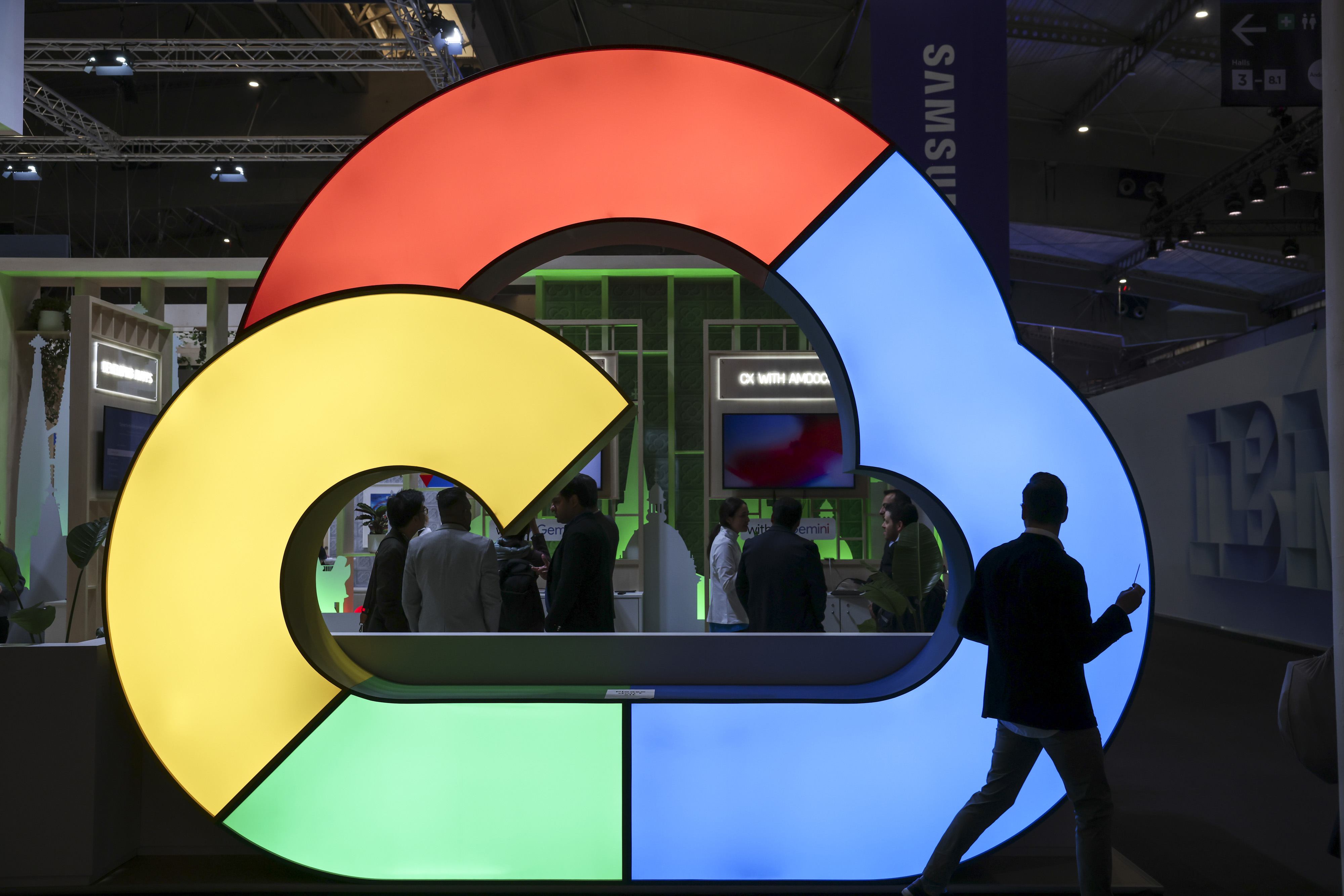
Alphabet Inc.'s Google has been found by two federal judges, in less than a year, to have illegally monopolized critical parts of the internet.
Now the US Justice Department will likely push for the company to make sweeping changes to its advertising business. That includes forcing the sale of key technology including the ad exchange that matches buyers and sellers of online ads, to reduce the control Google has over how the web's independent publishers make money. And in another case involving search, Google might have to sell its Chrome browser.
How to craft remedies in the parallel but separate cases tees up a complicated set of questions for the government as it seeks to overhaul multiple parts of one of the world's biggest technology companies, a process that could take months or years to play out.
“I don't think we have really seen this before,” said Vanderbilt University law professor Rebecca Allensworth. “The big breakup cases in the past were done by the same judge.”
Hearing Next Week
There is no timeline yet for next steps following Thursday's ruling that Google has an illegal monopoly over key parts of online advertising technology. But a three-week hearing set to start next week will address possible remedies for last year's ruling that Google cornered the market with its online search business.
US District Judge Amit Mehta in Washington, who issued last year's decision, has previously indicated he expects to issue a remedy ruling by August. That could inform how US District Judge Leonie Brinkema arrives at a fix for Google over the ruling she released this week, Allensworth said. “It is likely that he is writing on a clean slate and she is not,” she said.
In a statement about Thursday's ruling, Google said it would appeal the part of the case that it lost.
“We disagree with the court's decision regarding our publisher tools,” said Lee-Anne Mulholland, Google's vice president of regulatory affairs. “Publishers have many options and they choose Google because our ad tech tools are simple, affordable and effective.”
‘Monopoly Power'
A DOJ spokesperson didn't respond to a request for comment about the remedies process, but Assistant Attorney General Gail Slater said Thursday “Google is a monopolist and has abused its monopoly power.”
Google still could try to settle the two cases, though given the recent victories for the Justice Department, the company would likely have to meet a high bar to reach a deal. In March Google met with the DOJ to fend off a breakup in search, a bid that was unsuccessful.
The company can't pay a large fine to resolve its monopoly problem, as the DOJ doesn't have the power levy financial penalties in civil antitrust cases, so any solution or settlement will need to involve significant changes to its business.
Brinkema will set a series of hearings during which both sides will be able to argue what remedies should be employed before she makes her final decision.
She said in her ruling Thursday that Google monopolized the markets for advertising exchanges and tools used by websites to sell ad space, known as ad servers. But she said the company didn't meet the definition of a monopoly for a third market of tools used by advertisers to buy display ads.
Chrome Browser
The Justice Department is set to face off against the search giant next week in Mehta's courtroom to determine what changes to the company's business are necessary to restore competition. The government wants Google to sell the Chrome browser, license search data to competitors and be barred from paying for exclusivity on other services and devices.
Mehta had ruled that Google used billions of dollars in payments from Apple Inc. and other companies to make its search engine the default option on smartphones and web browsers, effectively blocking any other competitor from succeeding in the market.
In November Google called the DOJ's remedy proposal “a radical interventionist agenda that would harm Americans and America's global technology leadership.”
While the DOJ is not evaluating each of the cases in a vacuum, it believes they can be addressed separately, according to people familiar with the department's thinking.
‘In the Abstract'
The two cases deal with different pieces of the company's business and require highly technical fixes. “There is no such thing as breaking up Google in the abstract,” Allensworth said.
In the ad tech case, both sides will submit proposals for what to do, based on the ruling. In its complaint in early 2023, the DOJ said it wanted Google to sell its “Ad Manager suite, including both Google's publisher ad server, DFP, and Google's ad exchange, AdX, along with any additional structural relief as needed to cure any anticompetitive harm.”
That could be complicated by whatever Brinkema decides. The judge said in her ruling that “Google's bolstering of its publisher-facing business through the DoubleClick acquisition helped it establish a dominant position on both sides of the ad tech stack.”
But she also concluded that “the government failed to show that the DoubleClick and Admeld acquisitions were anticompetitive.”
Still, that isn't necessarily required for the deals to be unwound, Allensworth said. “It's the vertical integration that led to the conduct Brinkema found problematic,” she said, referring to how Google operates the different pieces of the business together.
A breakup could have a significant effect on the company's profits, though with years of expected appeals, any near-term changes are unlikely.
“A breakup of how [Google] drives their advertising revenue would be detrimental to the overall business model,” said Dan Morgan, an analyst with Synovus. “Do not expect any changes till all the dust settles after the appeal case is heard.”

-
'Never Seen This Level Of Negativity': Sandeep Tandon Says The Next Rally May Be Closer Than You Think

Veteran investor Sandeep Tandon says foreign selling is easing, large-caps are due a comeback and mid-caps are crowded, while he turns positive on gold, power and pharma this Diwali.
-
Indians Stay With Family, Not In Hotels | The Reason Why
India still lacks enough clean, reliable and affordable hotels for budget-conscious travellers.
-
The Economic Imperative: Analysing The Material Driving Force Behind India-Canada Strategic Reset
This economic complementarity is further reinforced by deep institutional investment ties and talent mobility, which form the bedrock of the bilateral framework.
-
Medicine Pricing: Where Must Profit Stop?
India must confront excessive margins, hidden incentives and regulatory gaps that threaten the integrity of medicine.
-
Why Amazon And Flipkart Are Struggling To Beat Meesho In India's Smaller Cities
With 274 million users and lowest-cost logistics, Meesho is defending its value commerce crown against giants like Amazon and Flipkart.
-
High US Salaries, No Green Card Certainty: The Financial Calculation Facing Indian H-1B Families
The suspension of PERM processing at eight technology employers does not cancel existing H-1B visas. What it does is force a question many Indian families have been avoiding: is the US salary worth tying your career and family plans to one employer?
-
Swiggy vs Eternal: Food Delivery's Two Rivals Are No Longer In The Same Race
Eternal is building a private AI assistant, dark.ai. Swiggy is still working out how to make Instamart pay, with an operating loss of Rs 895 crore in the July-September quarter while Blinkit stayed profitable.
-
Where You Live Shapes How You Get To Work | The Reason Why
Two-wheelers are the most popular way to get to work in India, accounting for nearly 43% of workplace commutes.
-
Unhedged Position: Can India See An Indonesia-Style Time Correction?
The Nifty is trading below levels it first clocked in 2024. Is there, then, as I have suggested in the headline, potential that the current time correction drags on painfully for the next three-five, even ten years?
-
Navigating Friction And Energy Realities: An Analysis Of Marco Rubio's October Visit To India
Occurring at a critical juncture marked by stalled trade negotiations and escalating geopolitical pressures over global energy supplies, the visit offers a profound window into modern US-India relations.










