Google Considers Fees For AI-Fueled Search Features, FT Says
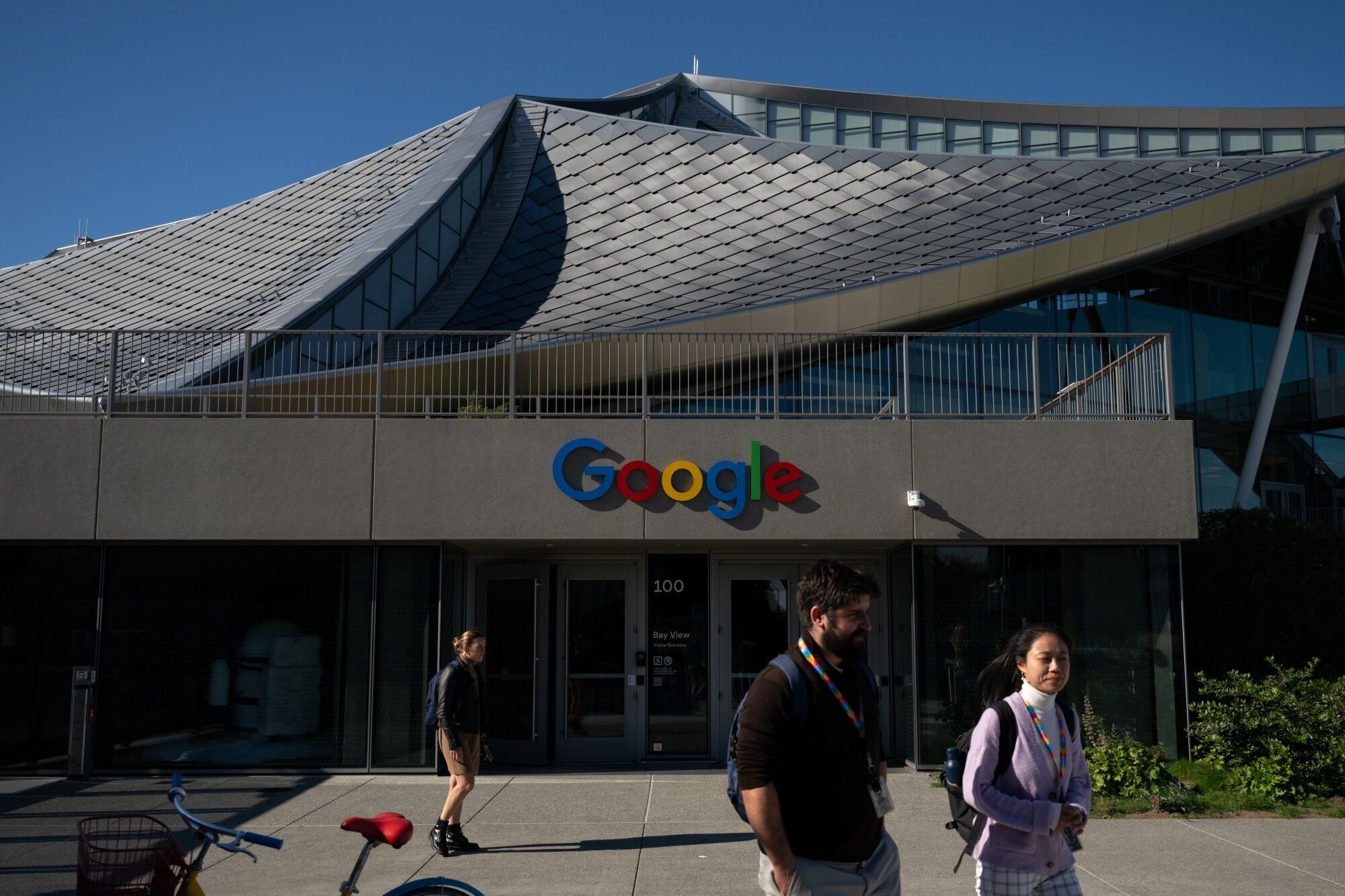
(Bloomberg) -- Google is considering charging for new “premium” features run by artificial intelligence, the Financial Times reported, marking the first time it would put any of its core product behind a paywall.
The tech giant is mulling options such as adding certain AI search features to its premium subscription services, the FT reported, citing three unnamed people familiar with the plans. Engineers are developing the technology to roll out the service but executives haven't decided whether or when to launch it, according to the report. Google's ubiquitous search engine would continue to be free and ads would appear alongside search results even to subscribers, the FT said.
“We're continuing to rapidly improve the product to serve new user needs,” a spokesperson said. “We're not working on or considering an ad-free search experience. As we've done many times before, we'll continue to build new premium capabilities and services to enhance our subscription offerings across Google.”
The potential move suggests the Alphabet Inc. unit still hasn't figured out how to incorporate the new, fast-growing technology without threatening its essential advertising business. The shares were down less than 1% in premarket trading Thursday.
Ever since OpenAI launched ChatGPT in late 2022, Google has found itself on the defensive in the face of the wildly popular chatbot. ChatGPT's ability to give answers to queries in a narrative voice has forced Google to rethink its traditional list of blue links to websites and the lucrative ads that appear alongside them. Meanwhile, in recent years, a new crop of search startups has emerged. Some have tried to persuade users to sign up for paid subscriptions to access generative AI search features, or for better privacy protections.
Last year, Google began testing its own AI-powered search service that combines the personalized, detailed narrative in addition to links to websites and advertising. But it has been slow to incorporate features from its experimental “search generative experience” to the main search engine.
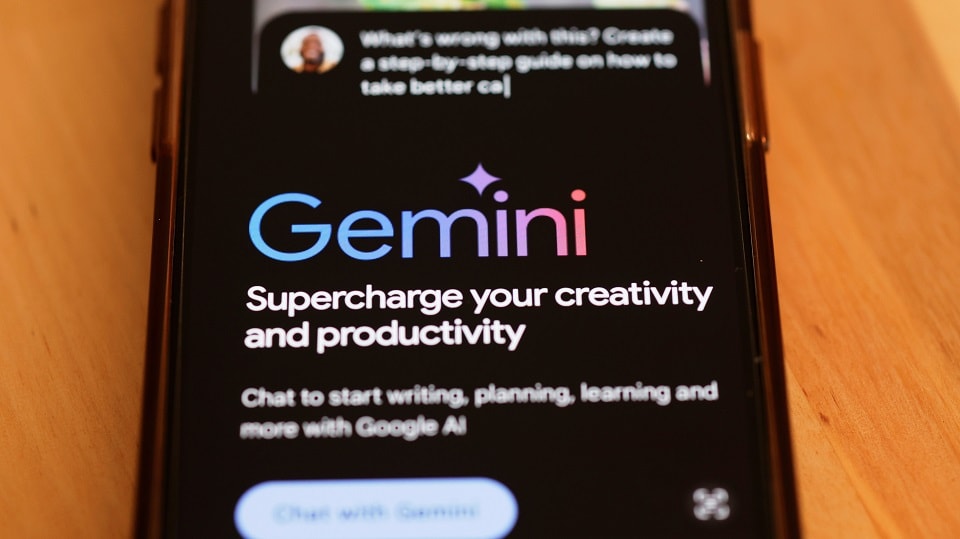
In February, Google added a new paid tier to its consumer subscription service that gives people access to its latest AI model, Gemini. Users who pay for that subscription, called Google One AI Premium, are able to use its advanced Gemini chatbot and access the generative AI model in popular services such as Gmail and Google Docs.
Using generative AI technology to power search queries is “eye-wateringly” expensive, said one former Google employee, who worked on the company's search products. Teams regularly ran benchmark tests on random queries internally to measure how quickly Google's search engine could deliver results — but they didn't run the same tests for Google's AI-powered search product in part because it was so costly, the former staffer said.
In the wake of ChatGPT's appearance, Google has reoriented its search teams to deploy more people to work on the experimental AI-powered experience, according to another former Google employee. While early feedback was positive, the high cost likely factored into the decision not to roll it out more widely, the person said. A Google spokesperson said the company has been focused on improving issues such as latency and adding new features, and that cost hasn't influenced the company's decisions about how fast to incorporate more AI into search.
For Google, charging for certain AI search aspects could help the company shake loose some additional revenue, without cannibalizing its core search ad business, said Mandeep Singh, an analyst at Bloomberg Intelligence.
“Given OpenAI has reached a subscription run-rate of $2 billion with consumer subscriptions, we believe Alphabet could see a similar boost to its $15 billion subscription sales,” he wrote in an email.
(Updates with detail on Google's efforts to incorporate AI into search and premarket sharees)
More stories like this are available on bloomberg.com
©2024 Bloomberg L.P.

-
Talking Points This Week: Leadership Shock At Nvidia, Earnings Strength, And The Fog Over Hormuz

The Anthropic IPO pricing and first trading day, Nvidia's upcoming earnings, and any fresh signals from Iran will set the tone for the following week.
-
Signature Play: The Classic Cocktail Is Dead. Or Is It?
Classic cocktails are disappearing from India's cocktail menus. But they're still being ordered, taught to bartenders and borrowed from. So, who's really having the last drink?
-
A New Samvat Wishlist: Inclusive Prosperity And Human Development
India has strengthened its economic foundations through infrastructure, digital access and enterprise. Its next growth chapter must deepen productivity, create better livelihoods and widen participation in prosperity.
-
Love, Sex Aur Dhokha: The Audacious Plot To Spy On Jensen Huang
A Taipei dinner, a Singapore chip buyer and a suspected Chinese asset: inside the alleged spy operation that got close to NVIDIA's Jensen Huang.
-
Ten Things I Learnt This Samvat
Patience can be a trap. Cheap stocks can stay cheap. Leverage can wipe you out. What did Samvat 2082 teach us? Niraj Shah writes on 10 lessons from the year gone by.
-
Talking Points This Week: Tech Nerves, FII Buying, And A Faraway Banking Shock
The global markets are not shining this Diwali. The exception in the large markets is, India.
-
Midterm Rally Lasted A Day. The Hard Reality Of A Divided US May Last Two Years | Opinion
Between a contested AI boom, a debt ceiling that arrives in 2027 and a president with every incentive to act alone, the next two years may prove more volatile than the first day's rally suggests.
-
Blue Wave Will Derail the AI Trade but Won't Dismantle the AI Era | Unhedged Position
The Democrats' sweep of the US Congress will see politics collide with economic forces both over the long and short term.
-
It's Time To Take The GST Council's Bet On Trust Global
Payment records can prove India's services exports, and clear, proportionate rules can bring foreign digital sellers into the tax net.
-
Opinion | India at 38: From Innovation Overperformer to Innovation Powerhouse
India now has 453 VC-backed deep science startups, 18 of them late-stage, after 117 percent growth since 2020. Laurus Labs, at USD 9.3 billion, is the most valuable deep science company in any middle-income economy outside China.









