FTC Sues Amazon for Making It Difficult to Cancel Prime
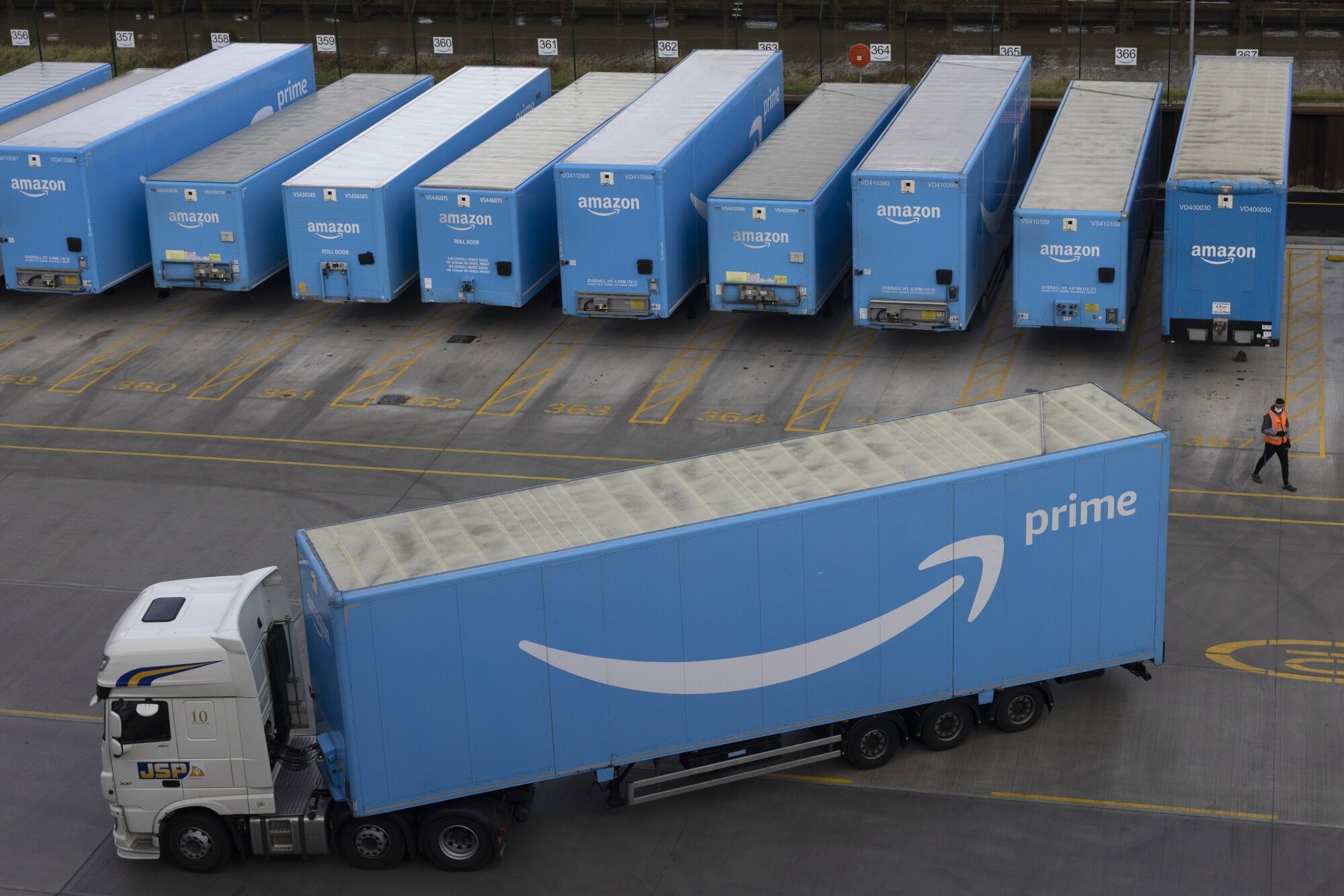
(Bloomberg) -- The US Federal Trade Commission sued Amazon.com Inc. Wednesday, alleging the e-commerce giant duped consumers into signing up for its Prime membership service and deliberately made it hard to cancel.
The consumer protection agency filed a lawsuit in Washington state federal court claiming that Amazon's website manipulates users into enrolling in Prime, where subscribers pay $139 a year for privileges like speedy free delivery, video streaming and access to 100 million songs. The cancellation process for Prime is also difficult to find and requires multiple steps, the FTC alleged. The agency said Amazon referred to the process internally as the , after Homer's lengthy epic poem.
The agency has recently targeted subscription cancellations, proposing a rule in March that would require companies to make it as easy to cancel as it is to sign up.
In its complaint, the FTC said consumers must click through five pages on the desktop web store or six on the mobile app to cancel Prime. It also claimed Amazon failed to turn over information sought by investigators, taking more than 18-months to produce materials the FTC sought.
The FTC said Amazon's tactics violate a 2010 consumer protection law designed to protect online shoppers. The agency previously used the law to ding MoviePass and its former parent company, Helios and Matheson Analytics Inc., Intuit Inc.'s Credit Karma and Ericsson's internet phone service Vonage over subscription auto-renewal and cancellation practices. Vonage paid $100 million to settle the FTC's suit and Credit Karma $3 million to reimburse consumers.
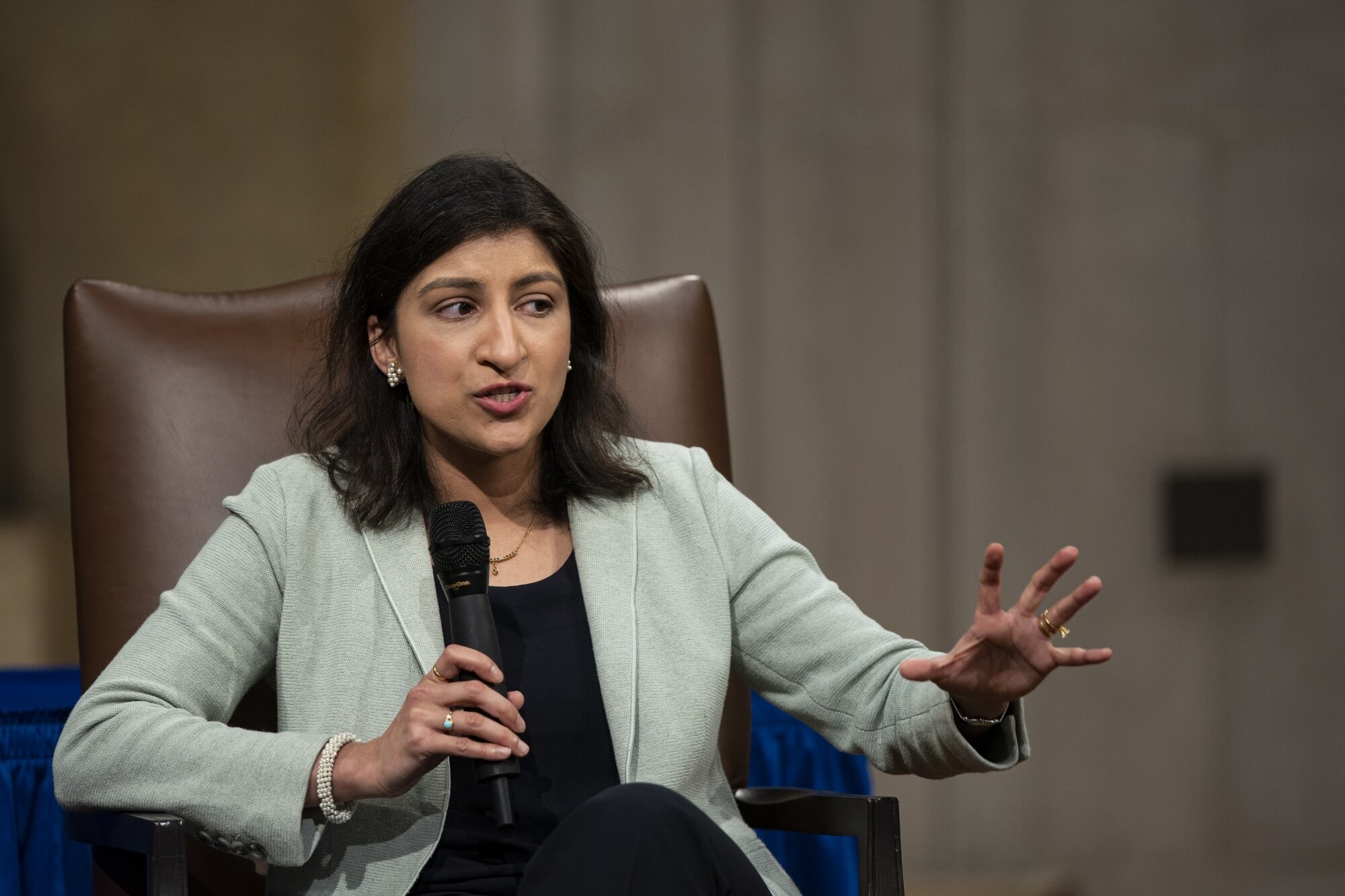
“Amazon tricked and trapped people into recurring subscriptions without their consent, not only frustrating users but also costing them significant money,” FTC Chair Lina Khan said in a statement.
Amazon said the agency provided it no notice before filing the lawsuit.
“The FTC's claims are false on the facts and the law,” Amazon spokesperson Curtis Eichelberger said. “The truth is that customers love Prime, and by design we make it clear and simple for customers to both sign up for or cancel their Prime membership.”
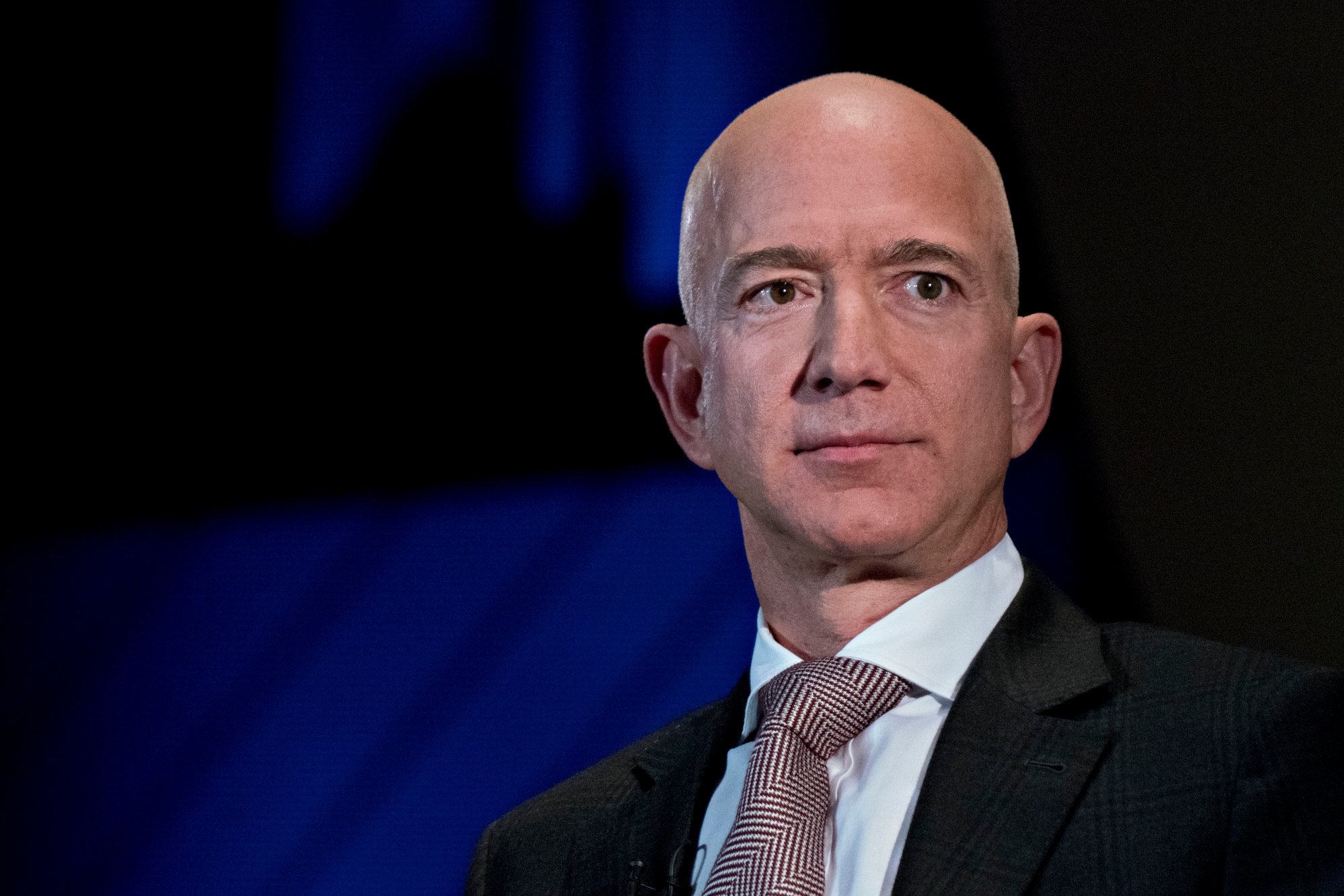
The FTC opened the probe into Amazon's Prime cancellation policies in early 2021 and sought interviews with top executives including founder Jeff Bezos and Chief Executive Officer Andy Jassy. Amazon sought to reach a settlement with the FTC on the allegations, but was rebuffed, a person familiar with the discussions said.
Prime membership has been a key differentiator for Amazon, helping it convert occasional shoppers into loyal devotees who make the company their default choice when shopping online. Walmart Inc., Amazon's biggest competitor, launched the Walmart+ subscription in 2020 for $98 a year, offering many of the same benefits.
About 167 million Amazon shoppers had Prime memberships as of March, unchanged from a year earlier, according to market research firm Consumer Intelligence Research Partners. More than 90% of consumers who try a free 30-day Prime membership become paying members, according to the Chicago research firm.
Analysts say Prime membership has stagnated in the country since Amazon boosted the annual price from $119, a sign that a subscription is less attractive to consumers struggling with a stubbornly high inflation rate.
In the US, Prime members spend about twice as much on Amazon as non-Prime members. Amazon's revenue from subscription services, which is mostly from Prime memberships, was $9.66 billion in the quarter ended March 31, about 7.6 percent of its overall revenue for the period.
Amazon changed its process for cancelling Prime subscriptions last summer after pressure from the European Commission and national consumer watchdogs. The company introduced a simplified two-click process.
The suit is the third the FTC has filed against Amazon in the past month. The company agreed to pay $30.8 million to settle allegations that it failed to delete data about kids collected by its Alexa speakers and that its Ring doorbells and cameras illegally spied on users. Amazon said it disagreed with the FTC's allegations but agreed to settlements to resolve the cases.
(Updates with Amazon comment in seventh paragraph. A previous version of the story corrected spelling of Iliad)
More stories like this are available on bloomberg.com
©2023 Bloomberg L.P.

-
Extracting Value From Battery Scrap Could Be Challenging For India | The Reason Why

A discarded lithium-ion battery still contains valuable materials such as lithium, nickel and cobalt. These can be recovered and reused. When such batteries are crushed and shredded, they produce a dark powder called black mass.
-
One El Nino, India Can Handle. Two Could Break The Granary
India's grain stocks can absorb one bad year, but a second El Nino could drain the buffer in two to three years, economists say.
-
India's Troika Of Good Luck | Joining The Dots
As Jensen Huang's exit drags Nvidia down, a cooling AI trade and resilient earnings have revived investor interest in India. A likely RBI rate hike looms.
-
Talking Points This Week: Leadership Shock At Nvidia, Earnings Strength, And The Fog Over Hormuz
The Anthropic IPO pricing and first trading day, Nvidia's upcoming earnings, and any fresh signals from Iran will set the tone for the following week.
-
Signature Play: The Classic Cocktail Is Dead. Or Is It?
Classic cocktails are disappearing from India's cocktail menus. But they're still being ordered, taught to bartenders and borrowed from. So, who's really having the last drink?
-
A New Samvat Wishlist: Inclusive Prosperity And Human Development
India has strengthened its economic foundations through infrastructure, digital access and enterprise. Its next growth chapter must deepen productivity, create better livelihoods and widen participation in prosperity.
-
Love, Sex Aur Dhokha: The Audacious Plot To Spy On Jensen Huang
A Taipei dinner, a Singapore chip buyer and a suspected Chinese asset: inside the alleged spy operation that got close to NVIDIA's Jensen Huang.
-
Ten Things I Learnt This Samvat
Patience can be a trap. Cheap stocks can stay cheap. Leverage can wipe you out. What did Samvat 2082 teach us? Niraj Shah writes on 10 lessons from the year gone by.
-
Talking Points This Week: Tech Nerves, FII Buying, And A Faraway Banking Shock
The global markets are not shining this Diwali. The exception in the large markets is, India.
-
Midterm Rally Lasted A Day. The Hard Reality Of A Divided US May Last Two Years | Opinion
Between a contested AI boom, a debt ceiling that arrives in 2027 and a president with every incentive to act alone, the next two years may prove more volatile than the first day's rally suggests.









