CoRover Raises $4 Million In Series A Funding Round Led By Venture Catalysts
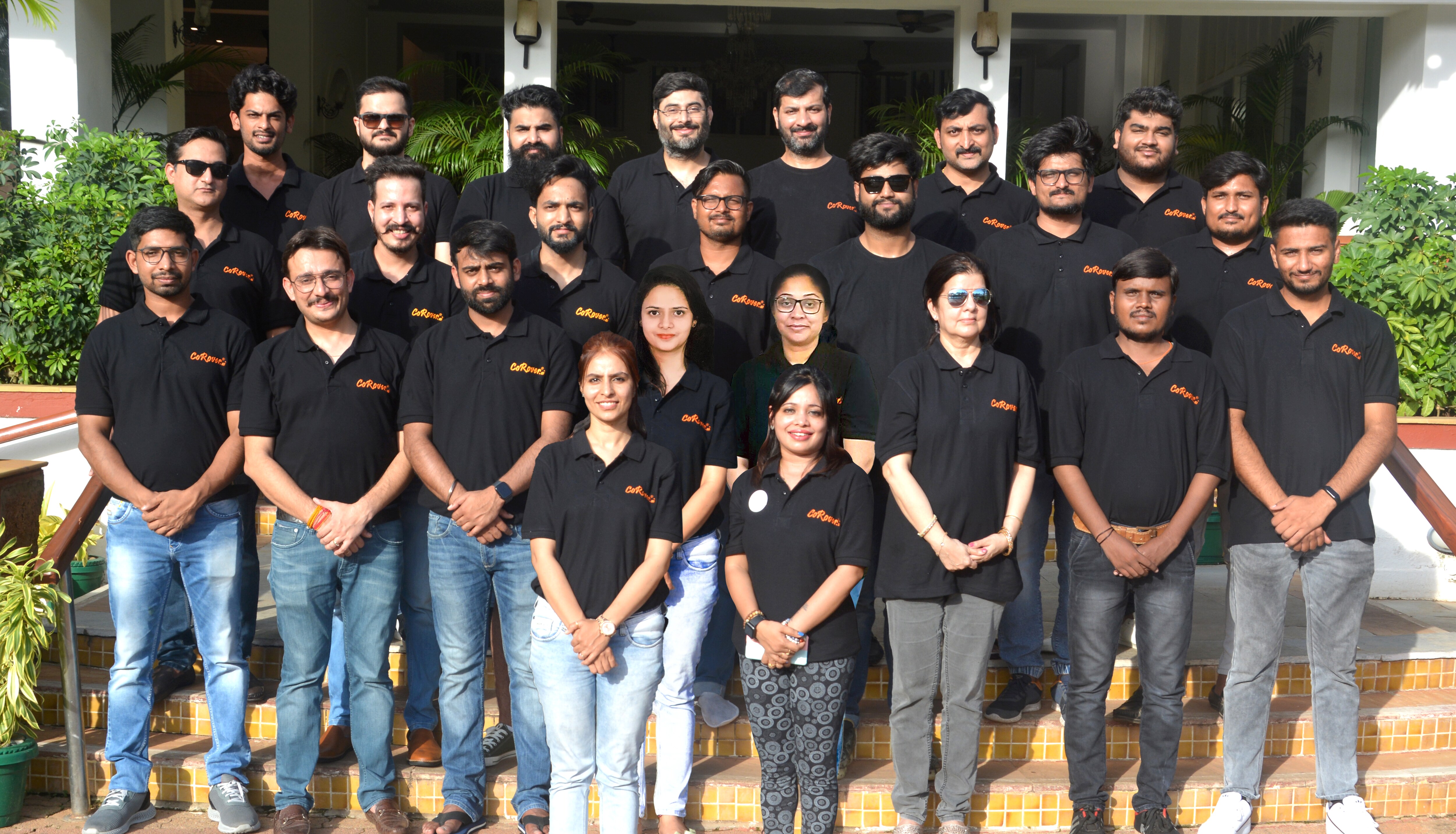
CoRover, a startup building a large language model and conversational AI chatbots, has raised $4 million in a Series A funding round, led by Venture Catalysts.
Other key investors include CanBank Venture Capital Fund, IIM Calcutta Innovation Park, and IIIT Delhi's iHub Anubhuti Foundation, Cogniphy, Karekeba Ventures, Lead Angels, among others.
CoRover plans to use the funds to further expand the size of its artificial intelligence team, boost its go-to-market efforts, as well as enhance its existing offerings, which include business-to-government, business-to-business and business-to-customer products. Additionally, the company is exploring how to monetise through subscription-based models, ad-based revenue, and transaction-based fees.
"With this backing, we are equipped to scale our GenAI-powered platform, bringing human-centric conversational AI to more businesses and industries, and transforming the way humans interact with machines," CoRover Chief Executive Officer and Founder Ankush Sabharwal told NDTV Profit.
The Bengaluru-based startup built BharatGPT, one of the few multi-format large language models built in India. The LLM currently supports over 120 languages.
Founded by Sabharwal, Kunal Bhakhri, and Manav Gandotra, CoRover has mostly found a clientele in state and central government entities.
It has built chatbots for the Indian Railways and the IRCTC, Life Insurance Corp. of India, the Securities Exchange Bureau of India, and the Delhi Metro Rail Corp. It also has a generative AI-enabled copilot platform for enterprises called CoroAssist.

-
Why Swapping Your Old Gold Can Trigger A Rs 5 Lakh Tax Bill, And How You Can Avoid It Legally

Swapping old gold for new is taxed as a sale and a fresh purchase. Getting your own gold remade can cut most of that bill, though it has its own costs.
-
The AI Trade is Done. The Real Opportunity for Investors Starts in 2027 | Unhedged Position
As pureplay AI stocks plunge and circular, capex-led financing unwinds, 2027 is set to be a year of reckoning for AI companies. Yet the bust clears the way for a better opportunity for investors in 2027 -- shifting the spotlight from AI builders to the companies using AI.
-
Leadership As Mission: Why The Age Of AI Demands More Human Leadership
Debjani Ghosh examines how AI is changing leadership, arguing that its success must be measured by its impact on people and the accountability of those guiding its use.
-
We May Need Another Tukaram Mundhe To Fight Air Pollution | The Reason Why
Developers may install basic measures such as sprinklers and green nets, resume work, and continue violating rules when this equipment stops working.
-
Extracting Value From Battery Scrap Could Be Challenging For India | The Reason Why
A discarded lithium-ion battery still contains valuable materials such as lithium, nickel and cobalt. These can be recovered and reused. When such batteries are crushed and shredded, they produce a dark powder called black mass.
-
One El Nino, India Can Handle. Two Could Break The Granary
India's grain stocks can absorb one bad year, but a second El Nino could drain the buffer in two to three years, economists say.
-
India's Troika Of Good Luck | Joining The Dots
As Jensen Huang's exit drags Nvidia down, a cooling AI trade and resilient earnings have revived investor interest in India. A likely RBI rate hike looms.
-
Talking Points This Week: Leadership Shock At Nvidia, Earnings Strength, And The Fog Over Hormuz
The Anthropic IPO pricing and first trading day, Nvidia's upcoming earnings, and any fresh signals from Iran will set the tone for the following week.
-
Signature Play: The Classic Cocktail Is Dead. Or Is It?
Classic cocktails are disappearing from India's cocktail menus. But they're still being ordered, taught to bartenders and borrowed from. So, who's really having the last drink?
-
A New Samvat Wishlist: Inclusive Prosperity And Human Development
India has strengthened its economic foundations through infrastructure, digital access and enterprise. Its next growth chapter must deepen productivity, create better livelihoods and widen participation in prosperity.









