Bitcoin The New Gold For Indian Millennials
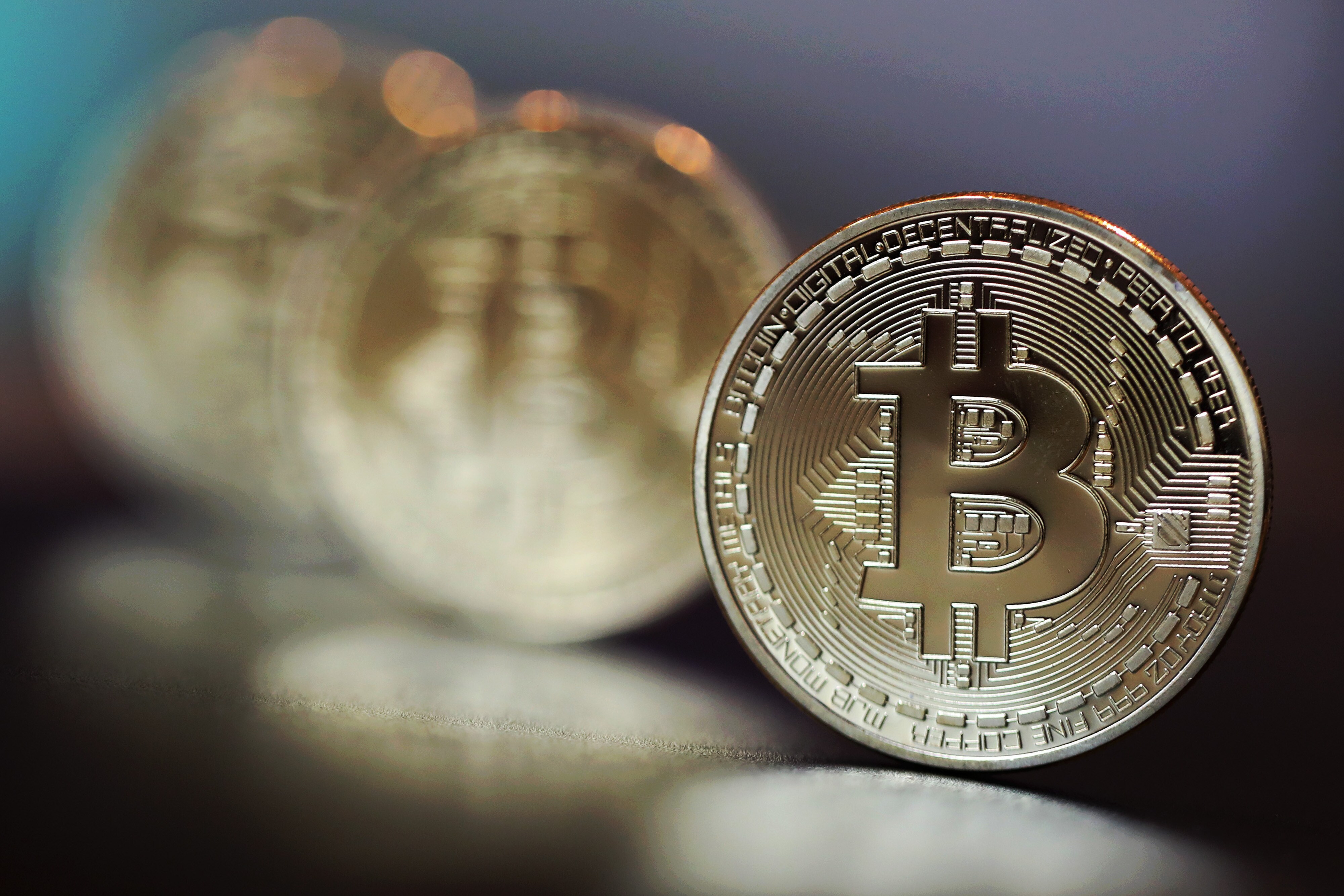
For Ajith Abraham, 27, buying bitcoins was an experiment to understand the buzz around the virtual currency. His $800 purchase last year is worth $4,300 (nearly 2.8 lakh) today, and bitcoin is now a new investment tool for the human resource manager. “I do not intend to sell it soon.”
The cryptocurrency invented in 2009 by Satoshi Nakamoto, an alias for an anonymous programmer, has surged over 600 percent over the past year, according to Bloomberg. It topped record $5,000 (nearly Rs 3.2 lakh) for the first time earlier this year. And the euphoria is catching up in India.
The country accounted for 10 percent of the global trade in June, according to data from Bitcoin trade analyst Chris Burniske. He tweeted a chart tracking the cryptocurrency volumes that show 16,755 coins traded in India.
Hello #India 🇮🇳 we've been expecting you! Very curious to see where this goes for #bitcoin. h/t @BKBrianKelly pic.twitter.com/9uacy5GZH9
June 15, 2017Like Abraham, for most people it's an investment option, and they are undeterred by extreme price swings. On Monday, Bitcoin tumbled as much as 12 percent to $4,259 (around Rs 2.7 lakh) after China declared initial coin offerings illegal. Like IPOs, these issues raise funds to float new cryptocurrencies. Even the Reserve Bank of India warned about the risks involved in virtual currencies that are unregulated in India.
Yet, demand has increased despite the risks. Two-year-old bitcoin wallet Zebpay has close to 10 lakh users, and added 1 lakh users last month. The number keeps doubling every three-four months, Saurabh Agrawal, co-founder of Zebpay, said over the phone.
“How gold was considered wealth by grandparents, similarly bitcoin is now considered wealth for my sons,” said Agrawal.Unocoin, a Bengaluru-based bitcoin exchange, has around 4 lakh users and added 50,000 last month. It sees 500 transactions a day with an average value of Rs 30,000.
“People are either storing bitcoin as a value (investment) or cash out when they see a spike,” said Sathvik Vishwanath, co-founder at Unocoin which has partnered with more than 1,900 businesses. Most of the merchants are inactive since users are holding on to the digital currency.
Suryawanshi restaurant in Bengaluru added bitcoin as an additional payment mode nearly a year ago. Yet, it has just made one transaction in 11 months. Owner Tejas Suryawanshi, 24, isn't disappointed.
I know people might not use bitcoin today but soon they will. I am just a step ahead of everyone elseTejas Suryawanshi, Owner Of Suryawanshi Restaurant That Accepts BitcoinsAgreed Arpit Agarwal, principal at early-stage investment firm Blume Ventures that has backed Unocoin. “Technology is a new way to think about money, as you can transfer to anyone, anywhere in no time and without any cost,” he said.
The impact it can have is only beginning to show. With the surge in value, it has become the “new virtual gold of young Indians”, Agarwal said.
Also Read: Chill, Bitcoin's Still Cool. What's That Burning?
Unregulated
India is yet to regulate cryptocurrencies even as countries like the U.S., Russia and Japan have classified them as either property or legal payment methods to prevent money laundering. Even Venezuela allows payments via digital currencies.
The RBI has repeatedly warned holders and traders of virtual currencies against its potential risks. The government is also considering tracking the currency through the central bank and markets regulator along with intelligence agencies to monitor money laundering and terror financing, Bloomberg reported in July citing people with the knowledge of the matter.
A Mumbai-based investor requesting anonymity said the government should regulate the cryptocurrency for more control. Declaring it illegal will only make it more difficult for the government to track, the investor said.
Zebpay and Unocoin want clarity. “A lot of people believe in this technology and are sitting on the edge, waiting for the government to take a stand,” Agrawal of Zebpay said. As soon as Japan legalised Bitcoin, 40 percent of the global volume started coming from the east Asian nation, he said.


-
AI Bias In Investing Cannot Be Eliminated, But It Can Be Governed

Framing is a particularly important example as identical financial information presented in terms of gains rather than losses can lead an LLM to reach a different assessment.
-
Joining The Dots | Dark Skies, Steady Diya: Why Hope Holds This Diwali
With war, a weak rupee and foreign outflows weighing on sentiment, policymakers at the NDTV World Summit and market veterans at NDTV Profit Ignite: Diwali Edition offered the same advice: stay invested and filter out the noise.
-
The Curious Case of Equitas Small Finance Bank And A CEO Who Quit For Stock
PN Vasudevan believes persistent investor concerns over a perceived conflict of interest had become a governance overhang on Equitas Small Finance Bank's stock, even as the lender improved profitability and asset quality.
-
Talking Points This Week: AI Cash Burn, A Tiger Comeback And An India That Still Finds Its Own Path
India is not immune to higher oil or tighter global liquidity, yet its earnings base is broader, its domestic policy levers are still available.
-
Foreign Investors Own Half Of HDFC Bank and ICICI Bank. An LTCG Cut Could Matter Most Here
Foreign portfolio investors have US$115 billion parked in HDFC Bank, ICICI Bank. If the government cuts long-term capital gains tax, Jefferies says returning foreign money could land here first.
-
'Never Seen This Level Of Negativity': Sandeep Tandon Says The Next Rally May Be Closer Than You Think
Veteran investor Sandeep Tandon says foreign selling is easing, large-caps are due a comeback and mid-caps are crowded, while he turns positive on gold, power and pharma this Diwali.
-
Indians Stay With Family, Not In Hotels | The Reason Why
India still lacks enough clean, reliable and affordable hotels for budget-conscious travellers.
-
The Economic Imperative: Analysing The Material Driving Force Behind India-Canada Strategic Reset
This economic complementarity is further reinforced by deep institutional investment ties and talent mobility, which form the bedrock of the bilateral framework.
-
Medicine Pricing: Where Must Profit Stop?
India must confront excessive margins, hidden incentives and regulatory gaps that threaten the integrity of medicine.
-
Why Amazon And Flipkart Are Struggling To Beat Meesho In India's Smaller Cities
With 274 million users and lowest-cost logistics, Meesho is defending its value commerce crown against giants like Amazon and Flipkart.










